by Peter Rowland | Friday, October 16, 2020
Black-fronted Dotterel Scientific Name: Elseyornis melanops Size: 16 to 18 cm What does it look like? When observed the Black-fronted Dotterel is easily identified by its white underparts and distinct black Y-shaped band which extends across the chest, around to the...

by Peter Rowland | Thursday, October 22, 2020
Black-necked Stork Scientific Name: Ephippiorhynchus asiaticus Size: 129 – 135 cm What does it look like? The Black-necked Stork, or Jabiru, is the only stork found in Australia. Black and white body plumage, glossy dark green and purple neck and massive black...

by Peter Rowland | Thursday, October 22, 2020
Blackish Blind Snake Scientific Name: Anilios nigrescens Size: 550mm What does it look like? The Blackish Blind Snake is moderately stout and worm-like, with glossy scales that are generally uniform in size around body and small, dark eye-spots. Body thickness...
by Peter Rowland | Thursday, October 22, 2020
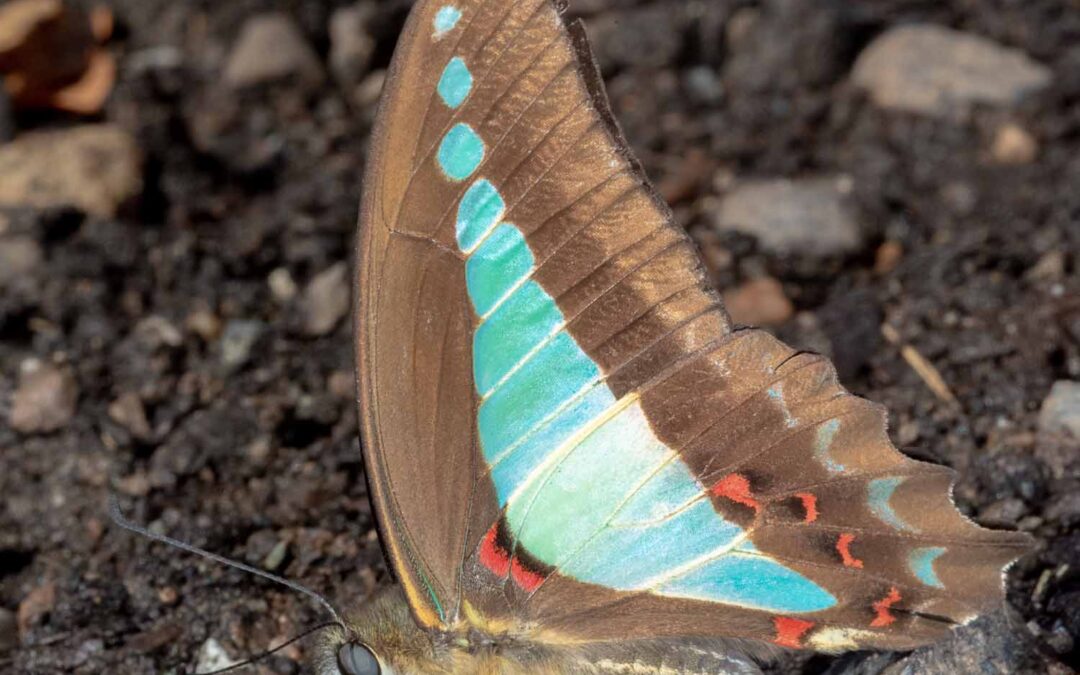
Blue Triangle Scientific Name: Graphium choredon Size: Wingspan 57-60mm What does it look like? Blue Triangle adults are virtually unmistakable with any other butterfly species in Australia. Wings with broad black margins, bright turquoise-blue central panels and...
by Peter Rowland | Monday, October 19, 2020
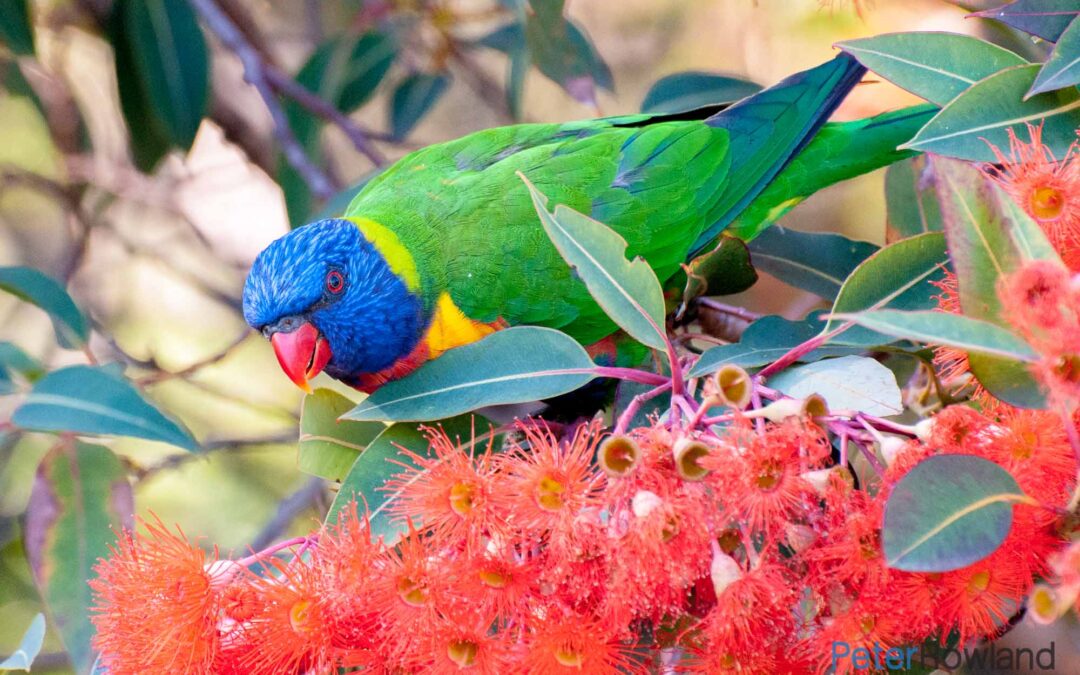
Birds (Class: Aves) Probably the most familiar vertebrate animals around the world, occupying every continent and every habitat type. Birds are warm blooded (endothermic), have feathers and lay eggs that are protected by a hard outer shell. Most scientists agree that...