by Peter Rowland | Friday, October 16, 2020
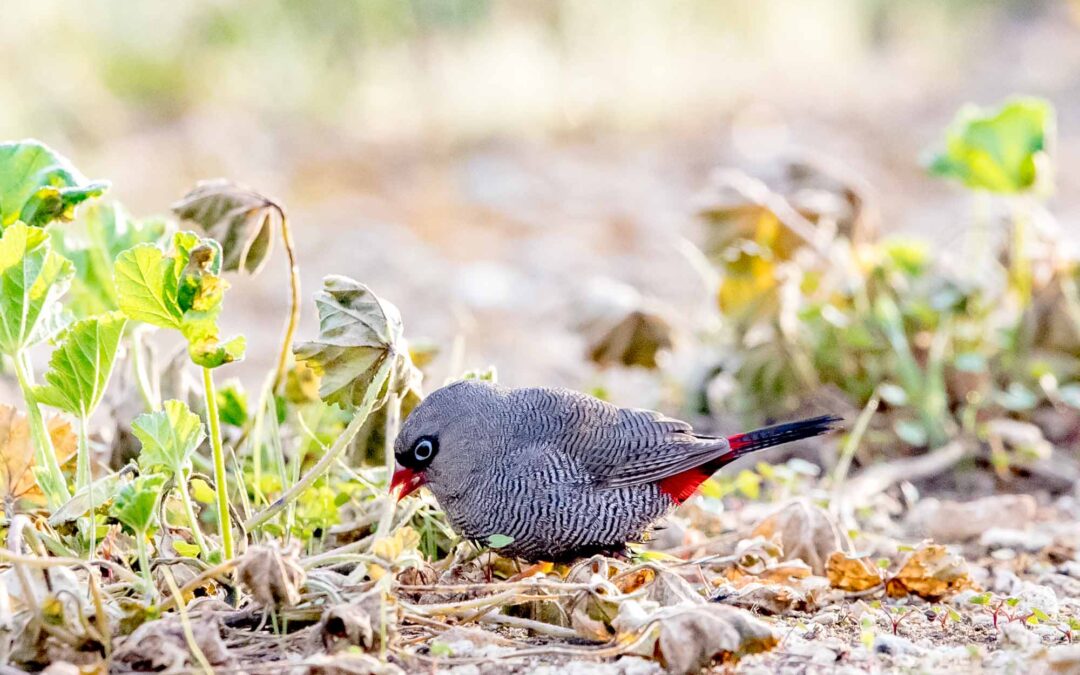
Beautiful Firetail Scientific Name: Stagonopleura bella Size: 11 to 12 cm What does it look like? The Beautiful Firetail is generally brown-grey, with fine black and white barring and a contrasting crimson rump and bill. Conspicuous black face-mask, pale blue...
by Peter Rowland | Monday, October 19, 2020
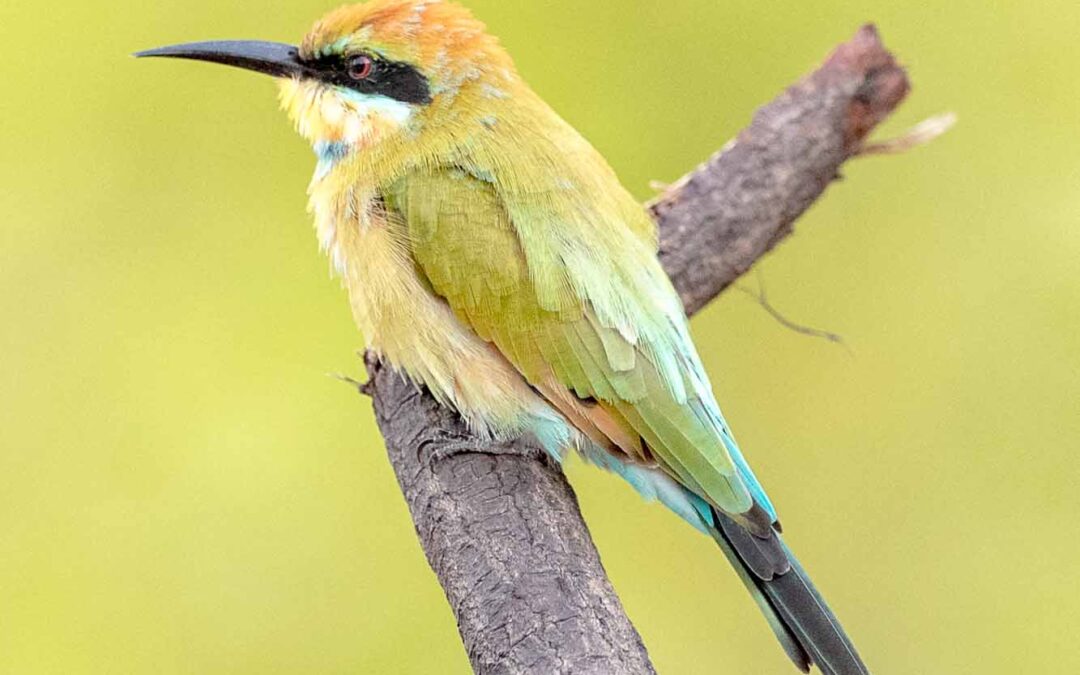
Bee-eaters (Family Meropidae) No endemic species in Australia. These birds are brightly coloured with long wings and a long central tail feather. The slender, slightly decurved beak is employed in aerial feeding. The single Australian species, the Rainbow Bee-eater...

by Peter Rowland | Monday, October 19, 2020
Beetles (Order: Coleoptera) An extremely large order, with 117 families and just under 25,000 species described in Australia. Extremely variable in size (0.4 to 80mm) and colour, but usually typified by modified, hardened forewings (elytra), designed to cover and...

by Peter Rowland | Monday, October 19, 2020
Bettongs and Potoroos (Family: Potoroidae) In most respects, the potoroids are similar to their close relatives, the kangaroos and wallabies, but are much smaller. The teeth pattern of the potoroids is simpler, with longer upper incisors, larger canines, and four...

by Peter Rowland | Thursday, October 22, 2020
Black-faced Cormorant Scientific Name: Phalacrocorax fuscescens Size: 60 to 70 cm What does it look like? The Black-faced Cormorant is similar to the other pied cormorants, but has a black face. Where is it found? Black-faced cormorants are endemic to the coastal...