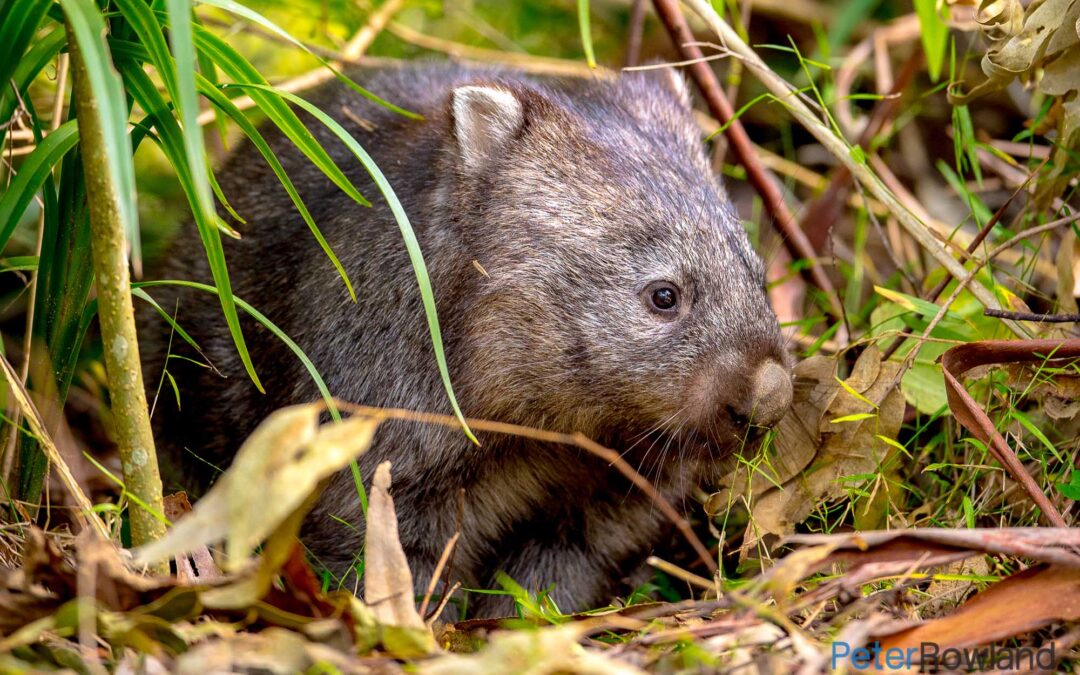
by Peter Rowland | Friday, October 16, 2020
Common or Bare-nosed Wombat Scientific Name: Vombatus ursinus Size: 725-1,175mm TL, including tail 25 mm What does it look like? The Bare-nosed or Common Wombat is stocky, with a large, flattened head, short limbs and powerful claws for digging. Greyish-brown to...

by Peter Rowland | Friday, October 16, 2020
Barking Owl Scientific Name: Ninox connivens Size: 35 to 45 cm What does it look like? The Barking Owl is a medium-sized hawk-owl. Hawk-owls do not have a definite heart-shaped face, unlike the tyto-owls. The plumage is grey-brown above, with white spots on the wings,...

by Peter Rowland | Friday, October 16, 2020
Barking Spider Scientific Name: Selenocosmia stirlingi Size: TL 60mm What does it look like? The Barking Spider is a large, hairy spider with no pattern on the abdomen, large fangs and long legs with thick, hairy feet. The spinnerets are long and finger-like. Males...
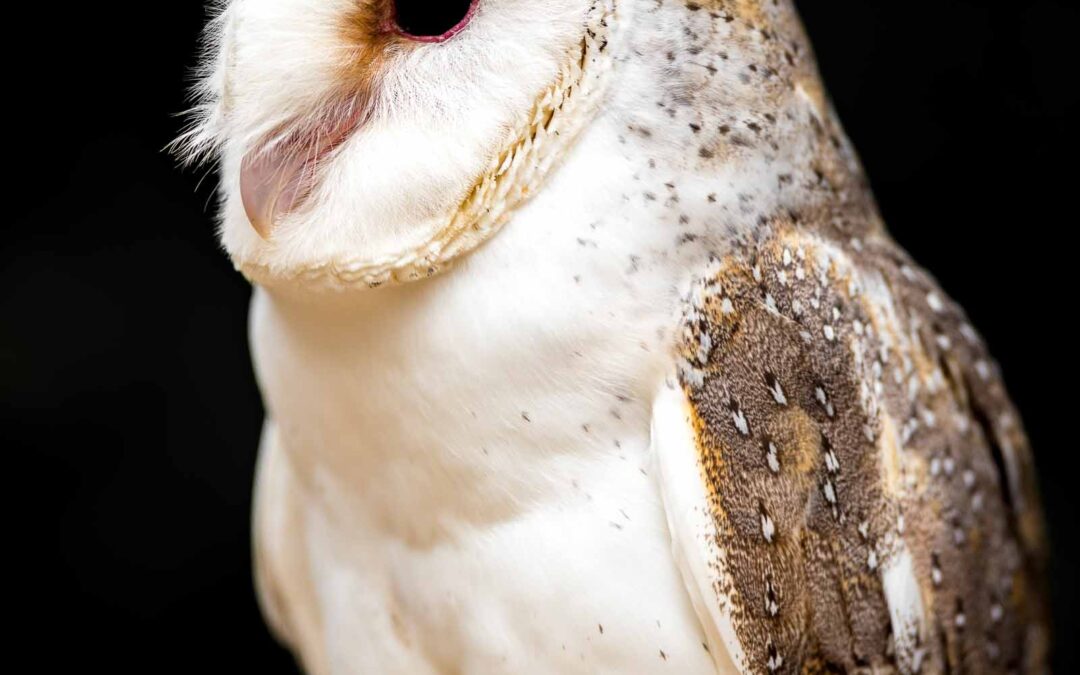
by Peter Rowland | Friday, October 16, 2020
Barn Owl Scientific Name: Tyto alba Size: 30 to 39 cm What does it look like? The Barn Owl is moderately common, but generally hard to see, as they are mostly active at night. During the day the birds roost on concealed tree branches. They are the most widespread and...

by Peter Rowland | Monday, October 19, 2020
Bats (Order: Chiroptera) Bats are the largest assemblage of mammals in Australia, with 77 species currently recognised today, and a further 3 species listed as extinct. The group comprises the large, often noisy, fruit-bats (or flying-foxes), Ghost Bat, horseshoe...