by Peter Rowland | Friday, October 16, 2020
Beach Stone-curlew Scientific Name: Esacus magnirostris Size: 56 cm What does it look like? The Beach Stone-curlew is a large, heavily-built wader with a thick-set bill and conspicuous bold black and white markings on the face and upper wings. The remainder of the...
by Peter Rowland | Friday, October 16, 2020
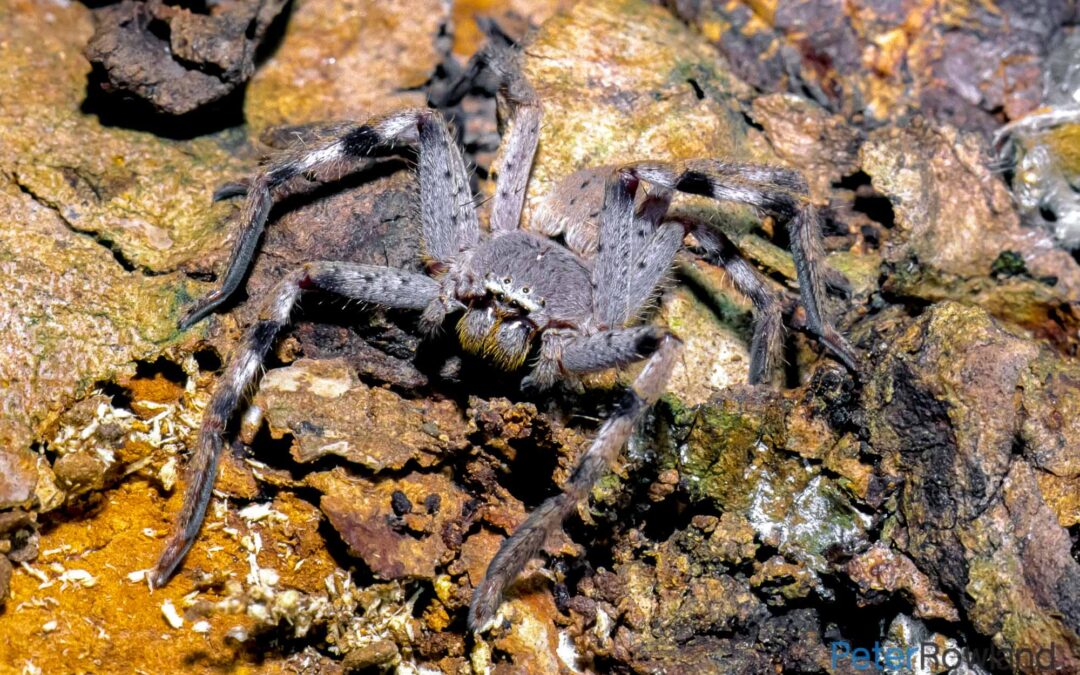
Beautiful Badge Huntsman Scientific Name: Neosparassus calligaster Size: TL 20mm What does it look like? The Beautiful Badge Huntsman is a large, long legged spider, with a conspicuous shield shaped ‘badge’ on the underside of the abdomen. Generally orange-brown to...
by Peter Rowland | Friday, October 16, 2020
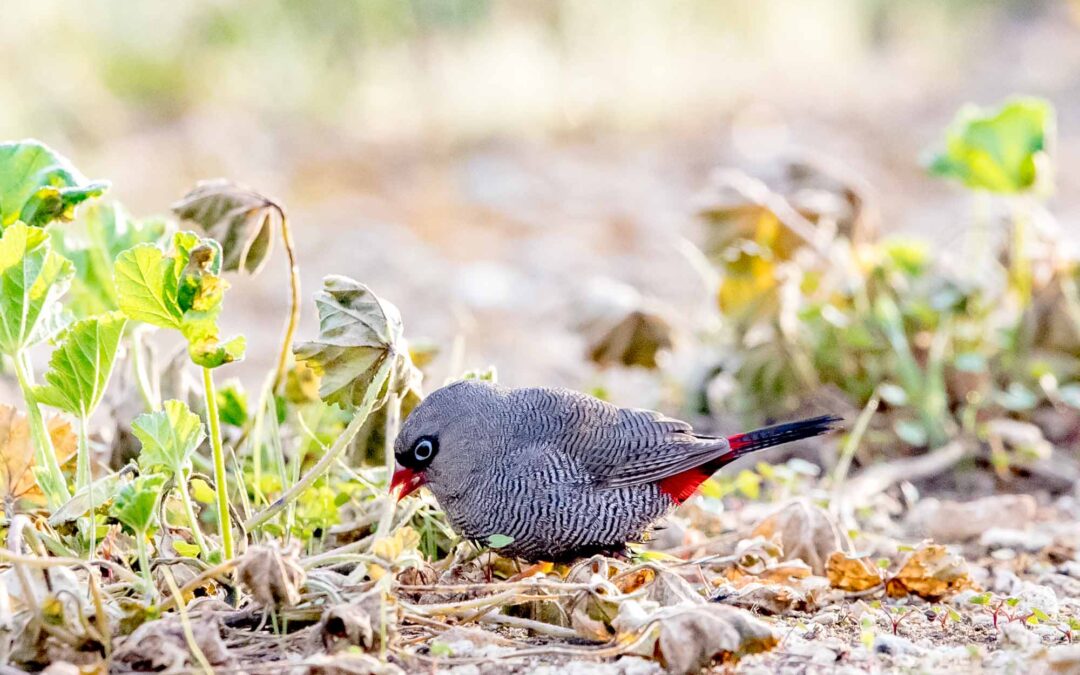
Beautiful Firetail Scientific Name: Stagonopleura bella Size: 11 to 12 cm What does it look like? The Beautiful Firetail is generally brown-grey, with fine black and white barring and a contrasting crimson rump and bill. Conspicuous black face-mask, pale blue...
by Peter Rowland | Monday, October 19, 2020
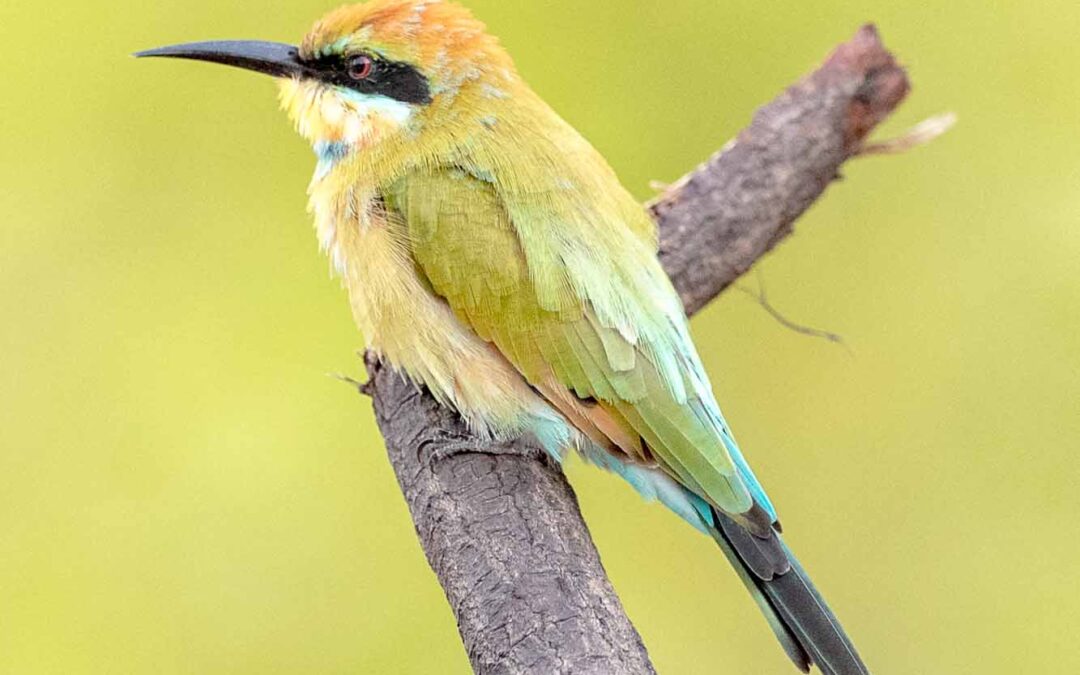
Bee-eaters (Family Meropidae) No endemic species in Australia. These birds are brightly coloured with long wings and a long central tail feather. The slender, slightly decurved beak is employed in aerial feeding. The single Australian species, the Rainbow Bee-eater...

by Peter Rowland | Monday, October 19, 2020
Bees, Wasps, Ants and Sawflies (Order: Hymenoptera) Large order, with 69 families and almost 12,000 species in Australia. Of these all but six families and around 200 species belong to the ‘true’ bees, wasps and ants of the suborder Apocrita. The abdomen is divided...