by Peter Rowland | Tuesday, October 20, 2020
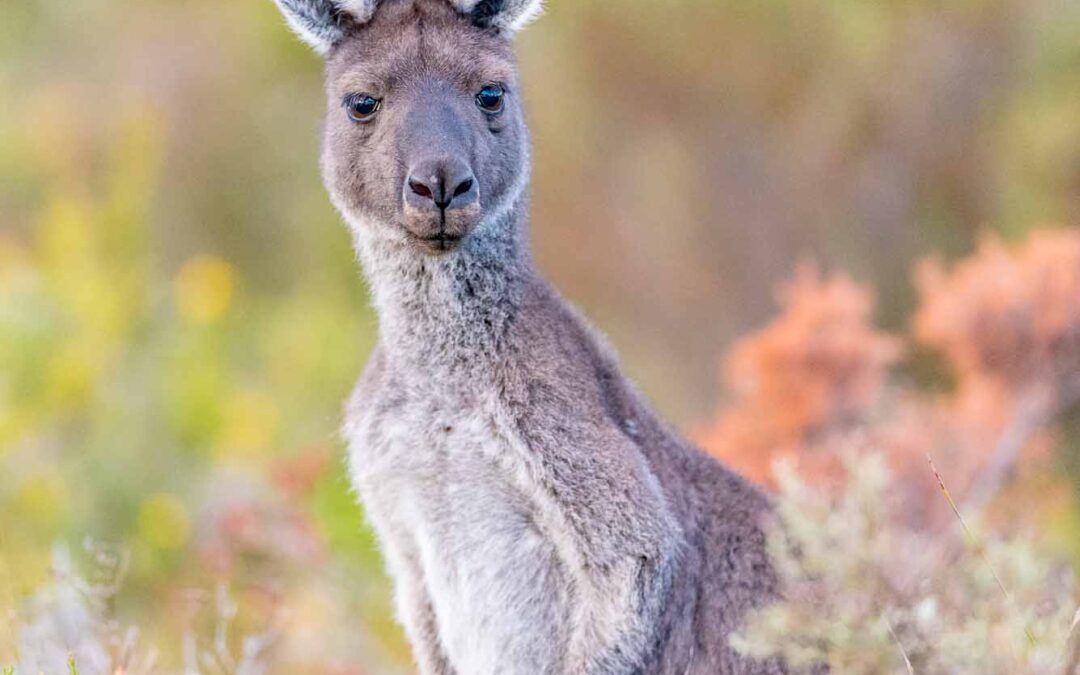
Western Grey Kangaroo Scientific Name: Macropus fuliginosus Size: TL 1,370–2,225mm, including tail 425–1,000mm What does it look like? Western Grey Kangaroo fur is shaggy. Brownish-grey above (more blackish on Kangaroo Island), slightly paler and more greyish below,...
by Peter Rowland | Monday, October 19, 2020
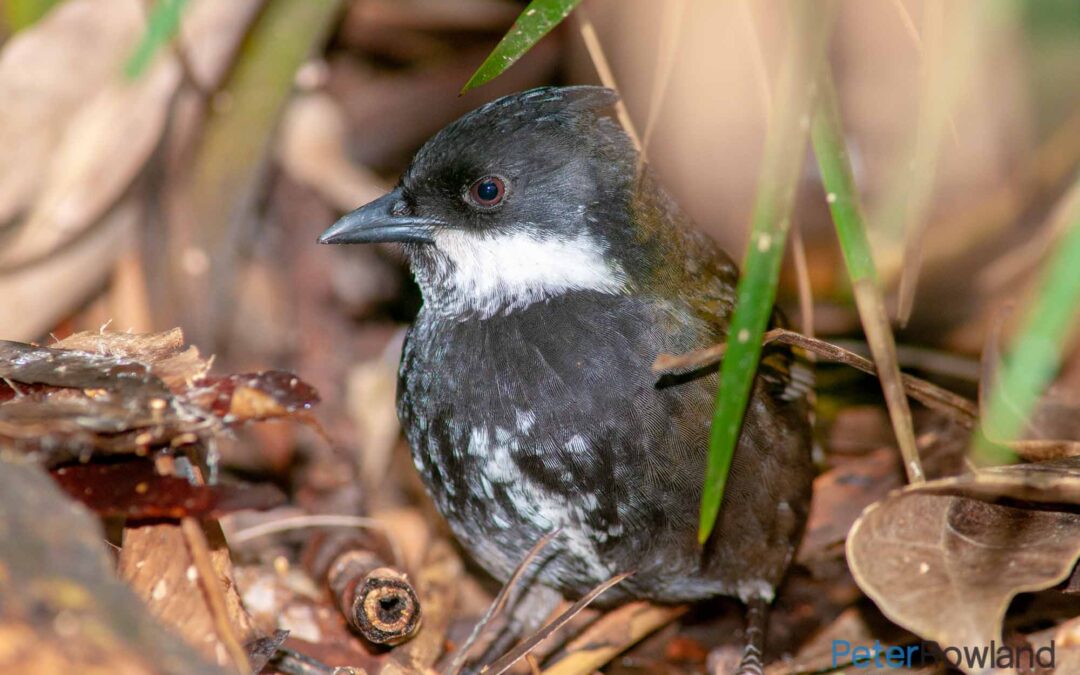
Whipbirds and Wedgebills (Family Psophodidae) This family includes four endemic Australian species, the two whipbirds, Eastern Whipbird Psophodes olivaceus and Western Whipbird P. nigrgularis, and the two wedgebills, Chirruping Wedgebill P. cristatus and Chiming...

by Peter Rowland | Monday, October 19, 2020
Whistlers and Shrike-thrushes (Family Pachycephalidae) Thirteen species, including seven endemics, occur in Australia. These stout-billed birds can be identified by their melodious calls, given by both sexes, from which the common name is derived. Some species show...

by Peter Rowland | Monday, October 19, 2020
Whistling Kite Scientific Name: Haliastur sphenurus Size: 50 to 60 cm What does it look and sound like? The Whistling Kite is chiefly brown, paler and more streaked on the head, neck and underparts. In flight, the margins of the wings are darker, with a pale...

by Peter Rowland | Monday, October 19, 2020
White Antennae Wasp Moth Scientific Name: Amata nigriceps Size: Wingspan 25-30 mm What does it look like? The adult White Antennae Wasp Moth is black with orange translucent spots on each wing, a black and orange-yellow banded abdomen, and white tips to the black...