by Peter Rowland | Sunday, October 18, 2020
Great Bowerbird Bower Scientific Name: Chlamydera nuchalis Size: 32 to 37 cm What does it look like? The male Great Bowerbird is a dull fawn coloured bird with darker mottling on the upperparts. The striking lilac crest, situated on the rear of the neck, is revealed...

by Peter Rowland | Sunday, October 18, 2020
Great Cormorant Scientific Name: Phalacrocorax carbo Size: Total Length 70 to 90 cm What does it look like? The large Great Cormorant is one of the largest cormorants in the world. It is almost entirely black in plumage, and can be separated from the Little Black...
by Peter Rowland | Sunday, October 18, 2020
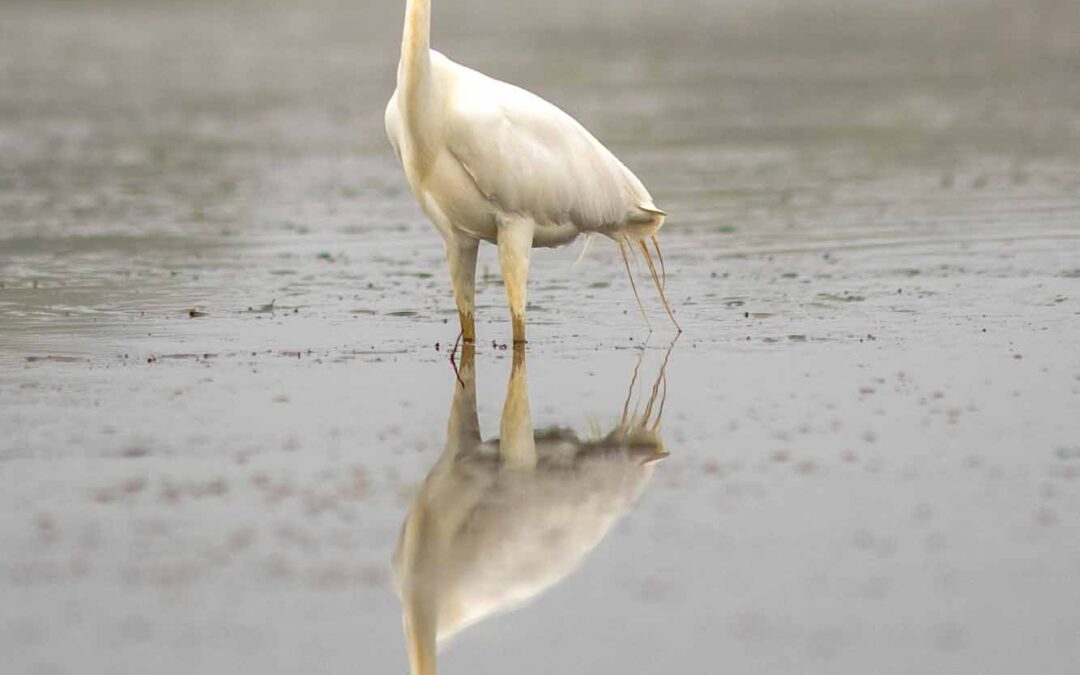
Great Egret Scientific Name: Ardea alba Size: 41 to 49 cm What does it look like? The Great Egret is the largest of the Australian egrets. The overall plumage is white, and, for most of the year, the bill and facial skin are yellow. The feet are dark olive-grey, as...

by Peter Rowland | Sunday, October 18, 2020
Green and Golden Bell Frog Green, gold or both? Most bell frogs are gold with large green blotches, but some are almost all green (above) or almost all gold (below). A frog’s colour also changes with how warm it is, and it is brightest at its preferred body...

by Peter Rowland | Thursday, November 12, 2020
Green Ant Workers carrying a larvae Nest Scientific Name: Oecophylla smaragdina Size: Total Length (adult workers) 8-12 mm What does it look like? The Green Ant (or Green Tree Ant) is mostly orange with bright green abdomen (gaster). The colony has a single queen,...