by Peter Rowland | Tuesday, October 27, 2020
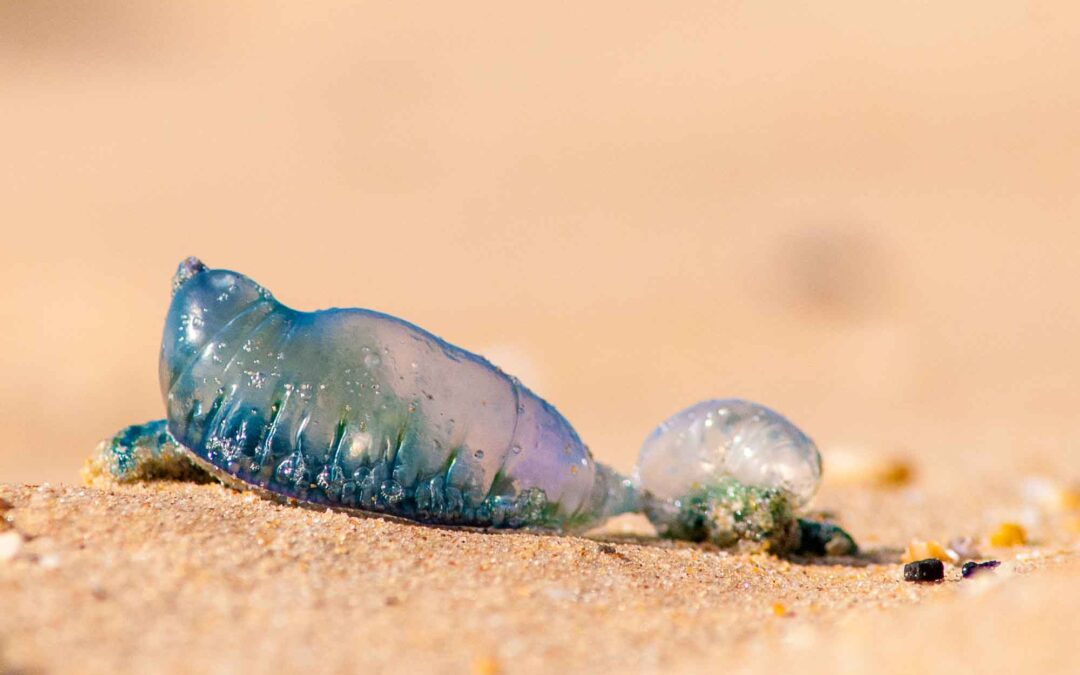
Hydrozoans (Class: Hydrozoa) A diverse group of cnidarians (jellyfish, corals, hydras, sea anemones, sea ferns and related organisms), that inhabit both marine and freshwater environments, and can be colonial (mostly) or solitary in nature. They are mostly...

by Peter Rowland | Wednesday, October 21, 2020
Insects (Class: Insecta) An incredibly diverse assemblage of animals and the most numerous multicellular organisms on the planet, with over 1 million species currently identified. Adults have 3 pairs of legs and a 3 part segmented body, consisting of a head, thorax...

by Peter Rowland | Tuesday, October 20, 2020
Koala Scientific Name: Phascolarctos cinereus Size: 680-820 mm TL (size decreases south to north) What does it look like? The Koala is a stocky, arboreal marsupial, with thick greyish fur (shorter and paler in north, and longer and more brownish in south). Ears round...
by Peter Rowland | Monday, October 19, 2020
Koalas (Family: Phascolarctidae) The Koala is famed throughout the world and is often, mistakenly, called a bear. The Koala lives solely on a low energy diet of eucalypt leaves and spends up to 20 hours per day sleeping. Perhaps more sloth-like in habits than...

by Peter Rowland | Monday, October 19, 2020
Leeches (Class: Clitellata) These segmented invertebrates, usually have a poorly-defined head and lack parapodia (‘legs’). The mouth is on the undersurface and the brain is located in one of the body segments. The jawless leeches are known to harbour malarial...