by Peter Rowland | Friday, October 16, 2020
Centralian Blue-tongue Scientific Name: Tiliqua multifasciata Size: Snout Vent Length 280 mm What does it look like? The Centralian Blue-tongue is a large skink with broad head, short limbs, moderately long, tapering tail and large blue tongue. Generally greyish with...
by Peter Rowland | Tuesday, April 27, 2021
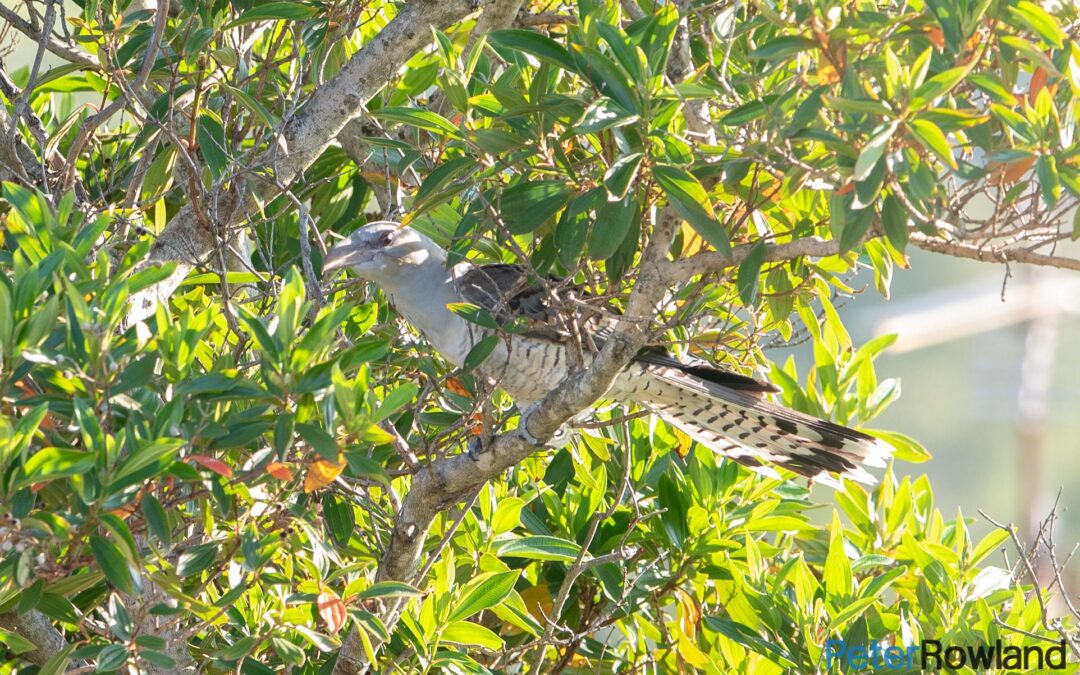
Channel-billed Cuckoo Scientific Name: Scythrops novaehollandiae Size: 58 to 65 What does it look and sound like? The Channel-billed Cuckoo is the largest parasitic cuckoo in the world. Apart from its large size, its massive pale, down-curved bill, grey plumage...
by Peter Rowland | Saturday, October 17, 2020
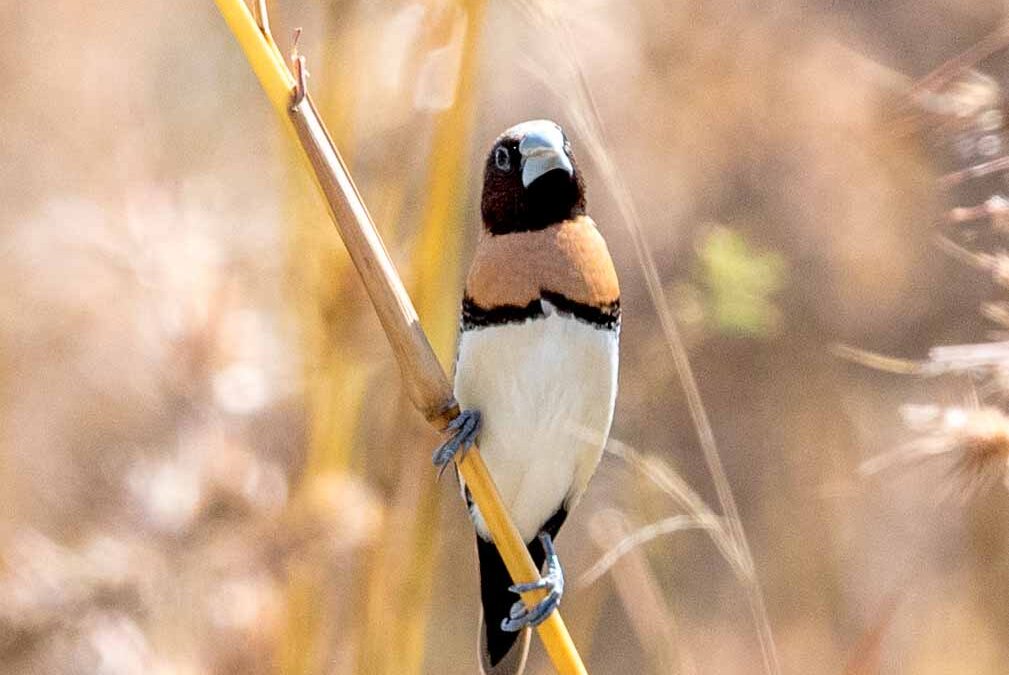
Chestnut-breasted Mannikin Scientific Name: Lonchura castaneothorax Size: 10 to 12 cm What does it look and sound like? The Chestnut-breasted Mannikin is a beautiful, thick-set finch with a powerful bill. The upperparts are rich chestnut, with a grey crown. The...

by Peter Rowland | Tuesday, April 27, 2021
Chocolate Argus Scientific Name: Junonia hedonia Size: Wingspan 50-60mm What does it look like? The male Chocolate Argus is dark brown, female paler, both with a series of parallel, darker wavy lines along the edges and through the centre of the wings. Lines through...
by Peter Rowland | Friday, November 13, 2026
Coastal Saltmarsh Tall clumps of Sea Rush mark the highest, least often flooded part of the saltmarsh. Fleshy, jointed Samphire stores water in its stems to cope with salty mud. Young mangroves and their breathing roots push up through the saltmarsh at Sussex Inlet, a...