by Peter Rowland | Monday, October 19, 2020
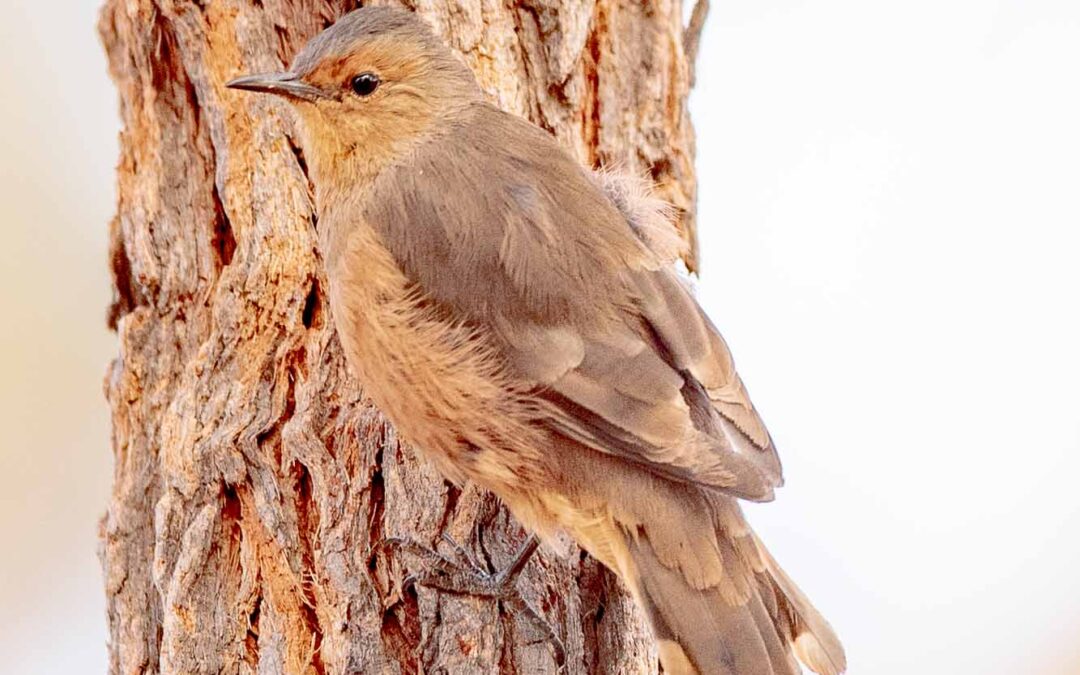
Rufous Treecreeper Scientific Name: Climacteris rufus Size: 16.5 to 18 cm What does it look like? The Rufous Treecreeper is easily recognised by its rufous-brown face and underparts, brown back, wings and crown. The male is distinguished from the female by the dark...
by Peter Rowland | Monday, October 19, 2020
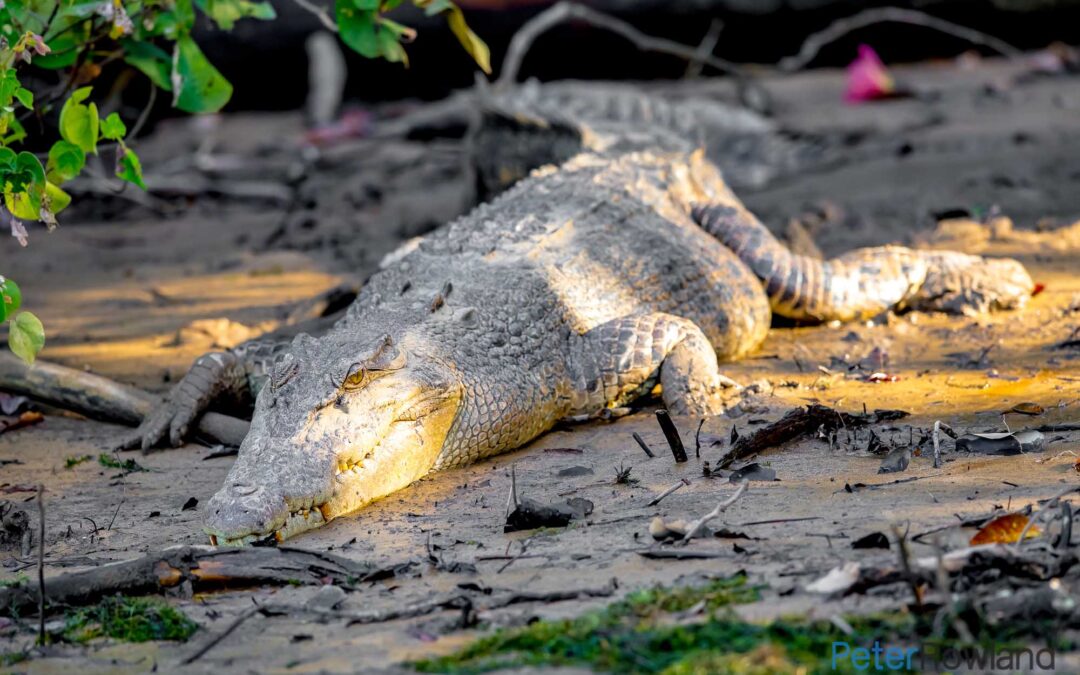
Saltwater Crocodile Female Scientific Name: Crocodylus porosus Size: 5m (rarely to 7m) What does it look like? DANGEROUS. The Saltwater Crocodile is unmistakable. Long, broad snout, heavily built body and long, powerful tail. Back and limbs mottled grey-brown to...

by Peter Rowland | Monday, October 19, 2020
Scrubtit Scientific Name: Acanthornis magna Size: 11 to 12 cm What does it look like? The Scrubtit is brownish with a grey face and conspicuous white eyering and small wingbar. The underparts are buffalong the flanks and cream belly. Where is it found? It is endemic...

by Peter Rowland | Saturday, November 14, 2020
Shingleback Lizard Scientific Name: Tiliqua rugosa Size: Snout Vent Length 300 mm (females slightly larger than males) What does it look like? The Shingleback Lizard has a robust, rough-scaled body, with large, triangular head, short, rounded tail, short limbs and...

by Peter Rowland | Saturday, November 14, 2020
Silver Gull Scientific Name: Chroicocephalus novaehollandiae Size: 40 to 45 cm What does it look like? The Silver Gull is the smallest of the resident Australian gulls. In adult birds the plumage is grey above, with a white head, neck and underparts; younger birds...