by Peter Rowland | Tuesday, October 27, 2020
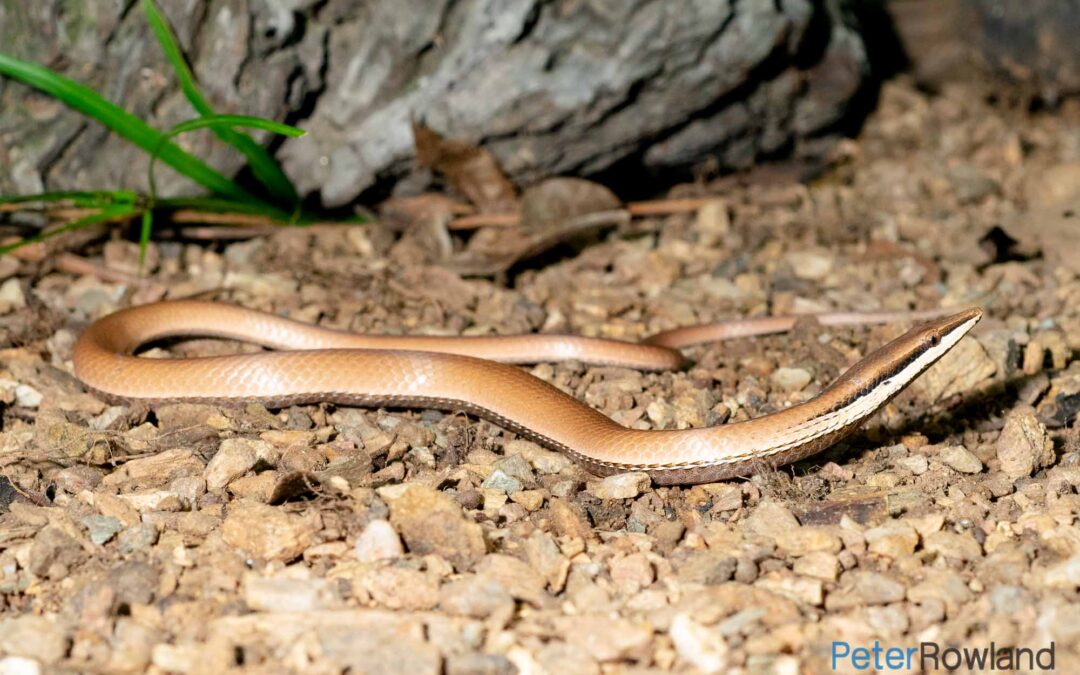
Legless Lizards (Family: Pygopodidae) The family Pygopodidae includes the legless lizards, snake-lizards and flap-footed lizards. All have limbs that are reduced or absent, and are a type of gecko. Pygopodids have no fore limbs at all, but do possess vestigial hind...

by Peter Rowland | Monday, October 19, 2020
Lizards (Suborder: Sauria) Lizards belong to the suborder Sauria, which – along with the snakes in the suborder Serpentes – forms the order Squamata that comprises more than 95 per cent of the world’s reptile species. Australia’s largest lizard family is the skinks...
by Peter Rowland | Tuesday, October 27, 2020
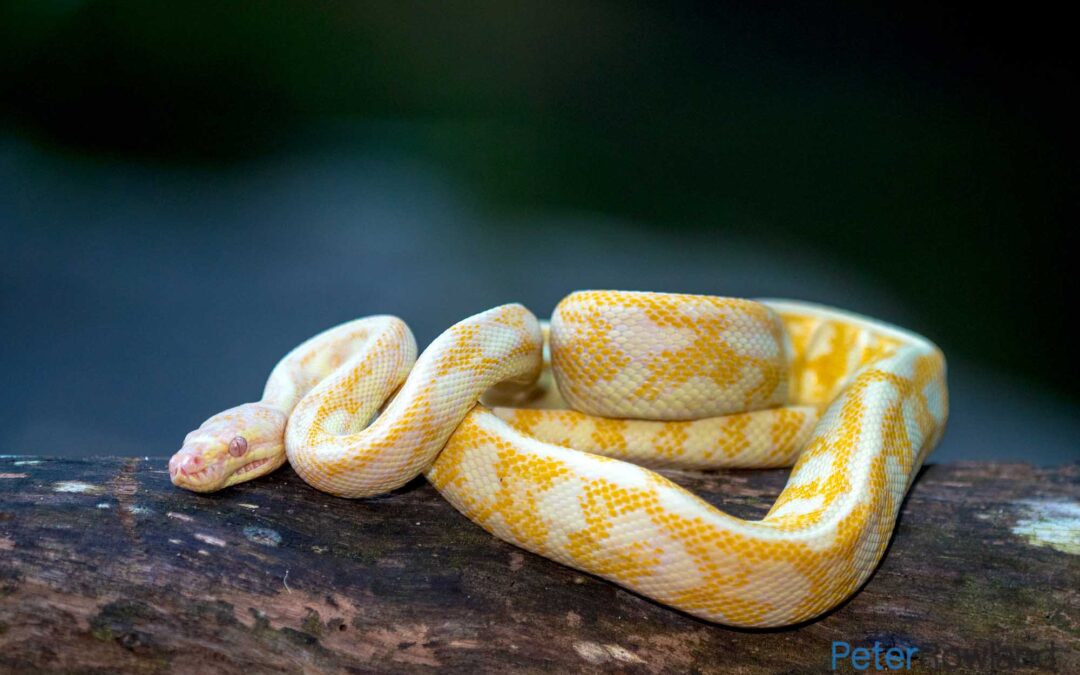
Pythons (Family: Pythonidae) Pythons do not use venom to kill their prey, instead their prey is first subdued with the sharp, rear-facing teeth, and then the snake’s body is wrapped around it, gradually getting more tightly coiled each time the helpless victim...
by Peter Rowland | Monday, October 19, 2020
Reptiles (Class: Reptilia) A diverse group of vertebrate animals that includes lizards, snakes, tuataras, turtles, amphisbaenians and crocodiles, all of which have scales. Their body temperature varies depending on their surroundings (ectothermic), and many species...

by Peter Rowland | Tuesday, October 27, 2020
Skinks (Family: Scincidae) Scincids (skinks) belong to the lizard family Scincidae, and with more than 1,500 described species, it is one of the most diverse families of lizards.The family Scincidae is the largest of the sixteen or so families of lizards. Skinks tend...