by Peter Rowland | Sunday, October 18, 2020
Hooded Plover Scientific Name: Thinornis cucullatus Size: 19 to 23 cm What does it look like? The adult Hooded Plover is unmistakable, with its black head, orange eyering and two-toned orange and black bill. The upperparts are brown and the underparts are white, with...
by Peter Rowland | Sunday, October 18, 2020
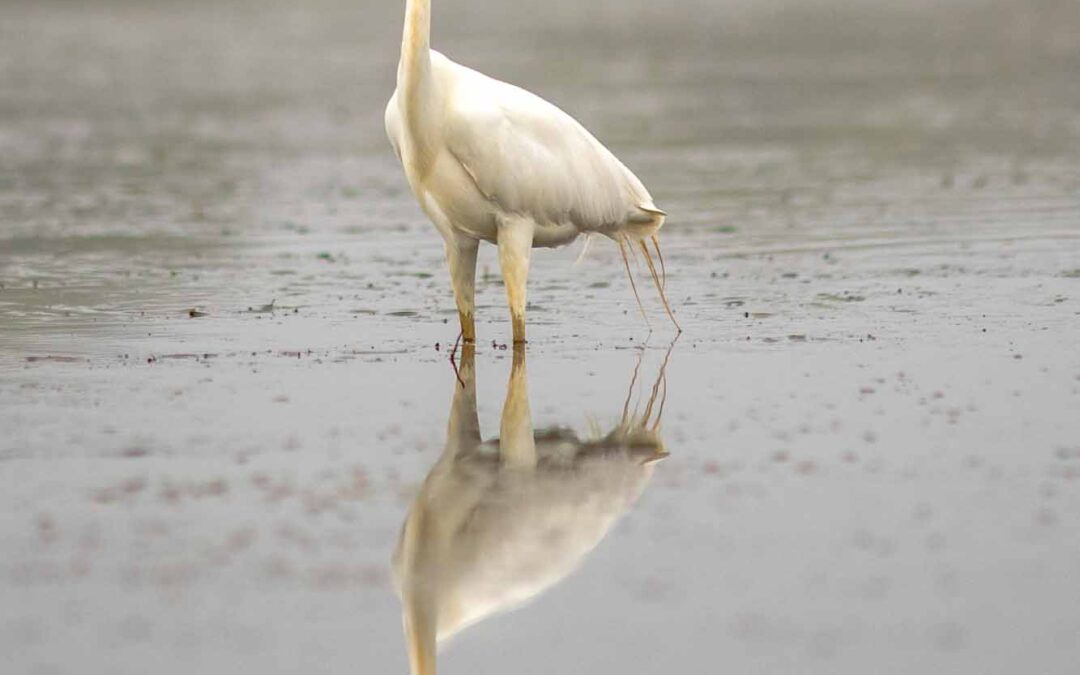
Great Egret Scientific Name: Ardea alba Size: 41 to 49 cm What does it look like? The Great Egret is the largest of the Australian egrets. The overall plumage is white, and, for most of the year, the bill and facial skin are yellow. The feet are dark olive-grey, as...

by Peter Rowland | Sunday, October 18, 2020
Green and Golden Bell Frog Scientific Name: Litoria aurea Size: Total Length 10 cm What does it look like? The Green and Golden Bell Frog Colouration is variable, but typically gold with large green blotches and spots, although some individuals are almost all gold or...
by Peter Rowland | Thursday, November 12, 2020
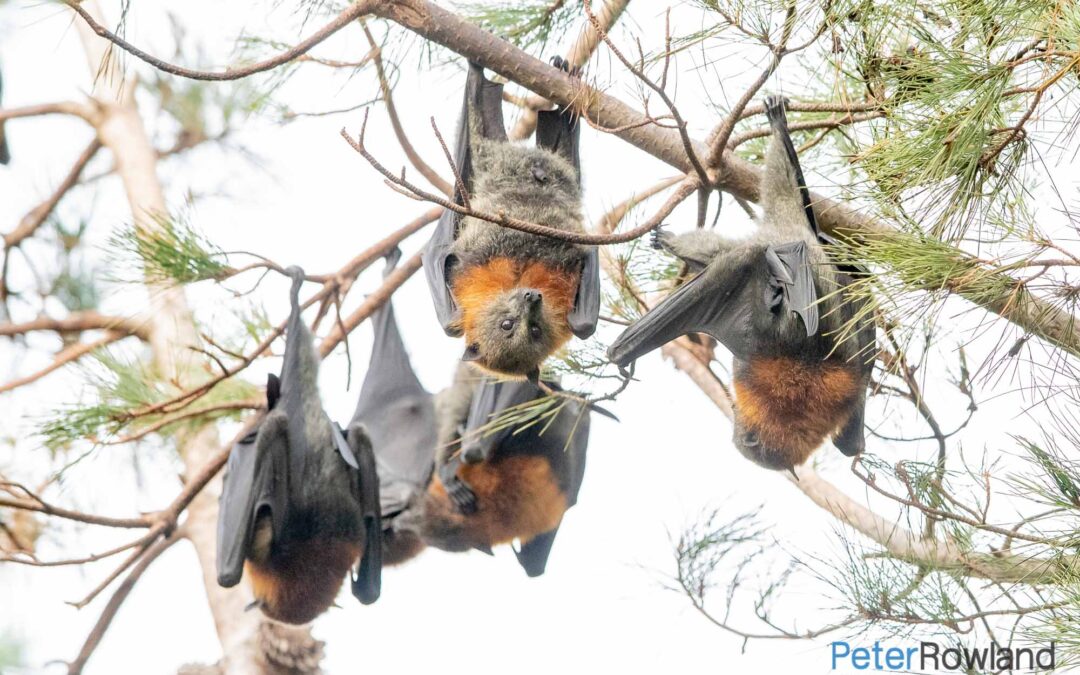
Grey-headed Fruit-Bat Scientific Name: Pteropus poliocephalus Size: Head-body 220–280 mm; Forearm 152–177 mm What does it look like? The fur of the Grey-headed Fruit-bat (or flying-fox) is greyish-black on back, paler grey on face and belly, generally heavily flecked...

by Peter Rowland | Thursday, November 12, 2020
Grey Shrike-thrush Adult (NSW) Nestlings in flowerpot in a garden shed Scientific Name: Colluricincla harmonica Size: 22.5 to 25 cm What does it look and sound like? The Grey Shrike-thrush is a common and familiar bird. Its alternate names of Harmonious...