by Peter Rowland | Monday, October 19, 2020
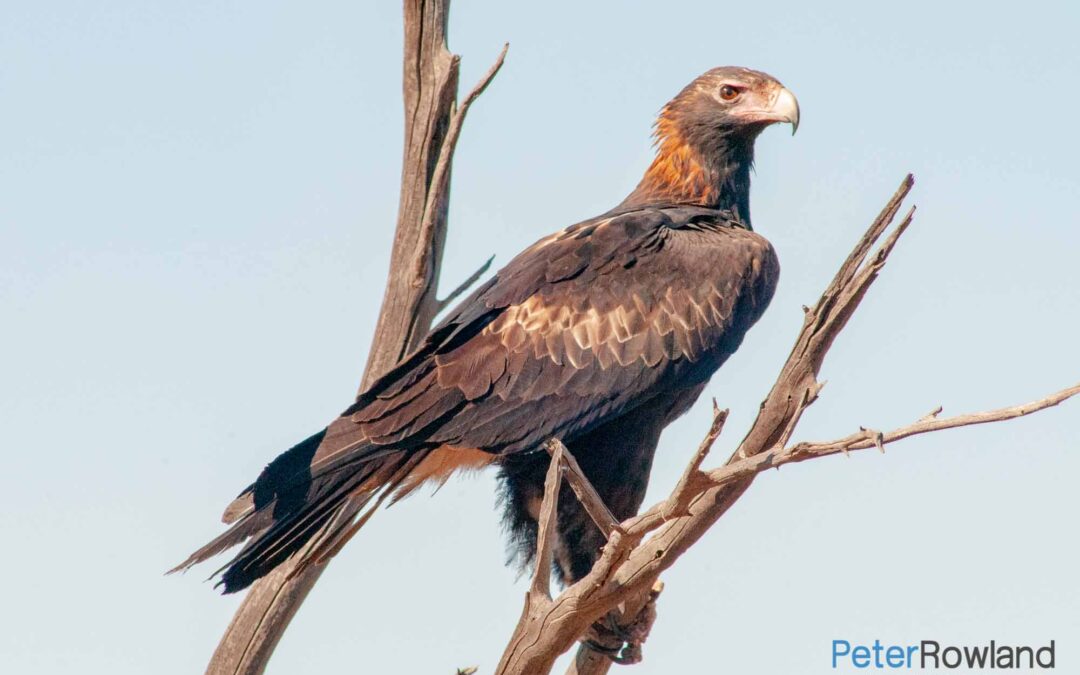
Hawks and Eagles (Family Accipitridae) Twenty-two species, including six endemics and three vagrants, falling into several groups including eagles, sea-eagles, goshawks, harriers and kites. The Osprey Pandion haliaetus is included here, but is separated by some...

by Peter Rowland | Tuesday, November 3, 2020
Hawk Owls (Family Strigidae) These owls are characterised by their rounded head and short legs. They are moderately-sized to large birds, the largest in Australia being the endemic Powerful Owl Ninox strenua. Two other endemic species are the Tasmanian Boobook N....
by Peter Rowland | Monday, October 19, 2020
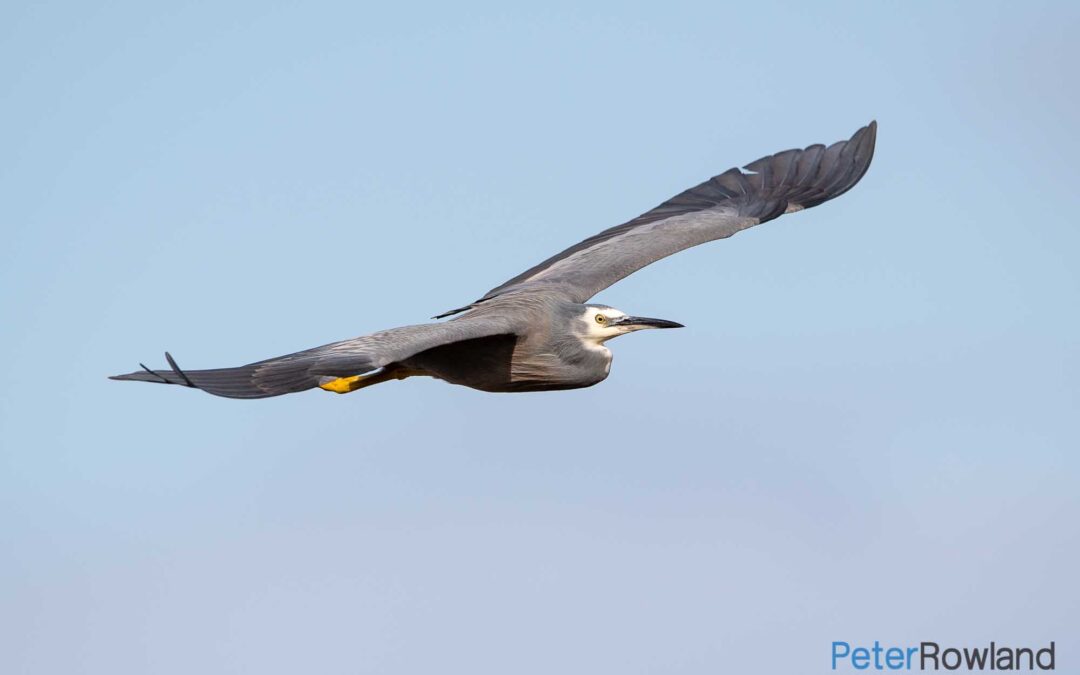
Herons & Bitterns (Family Ardeidae) Twenty-five species have been recorded in Australia, only one of which is endemic, the common and familiar White-necked Heron Ardea pacifica. Eleven appear as vagrants, while the remainder breed in Australia but have wider...

by Peter Rowland | Monday, October 19, 2020
Honeyeaters & Chats (Family Meliphagidae) The honeyeaters are largely arboreal and, while there is considerable diversity in size, almost all have slender, decurved beaks. The chats are more terrestrial with shorter, more pointed beaks. The tongue is bifurcate...

by Peter Rowland | Monday, October 19, 2020
Ibises and Spoonbills (Family Threskiornithidae) Superficially similar to herons but with long decurved (ibises) or spatula-like (spoonbills) bills, with five breeding residents, the Australian White Ibis Threskiornis moluccus, Royal Spoonbill Platalea regia and...