by Peter Rowland | Monday, October 19, 2020
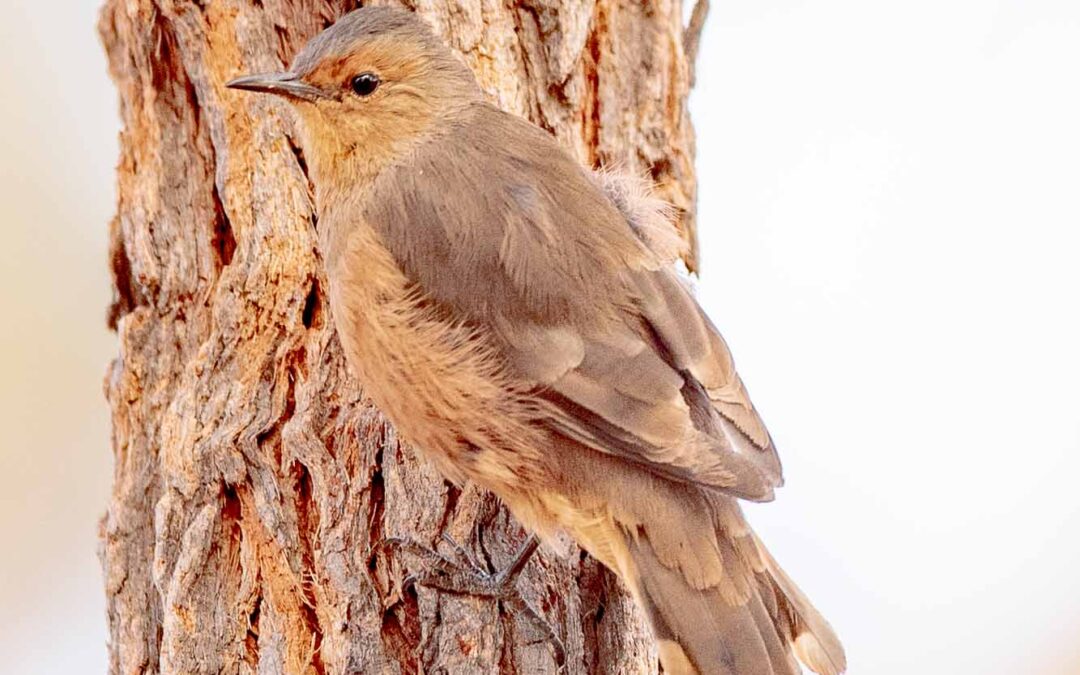
Rufous Treecreeper Scientific Name: Climacteris rufus Size: 16.5 to 18 cm What does it look like? The Rufous Treecreeper is easily recognised by its rufous-brown face and underparts, brown back, wings and crown. The male is distinguished from the female by the dark...

by Peter Rowland | Monday, October 19, 2020
Scrubtit Scientific Name: Acanthornis magna Size: 11 to 12 cm What does it look like? The Scrubtit is brownish with a grey face and conspicuous white eyering and small wingbar. The underparts are buffalong the flanks and cream belly. Where is it found? It is endemic...

by Peter Rowland | Saturday, November 14, 2020
Silver Gull Scientific Name: Chroicocephalus novaehollandiae Size: 40 to 45 cm What does it look like? The Silver Gull is the smallest of the resident Australian gulls. In adult birds the plumage is grey above, with a white head, neck and underparts; younger birds...
by Peter Rowland | Monday, October 19, 2020
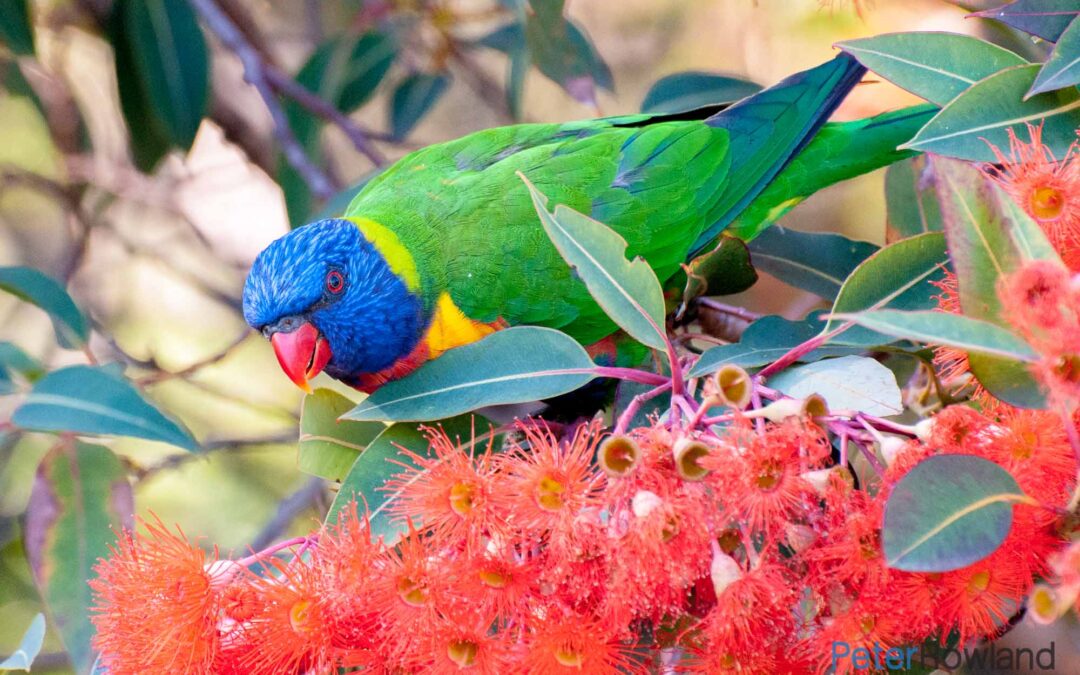
Rainbow Lorikeet Scientific Name: Trichoglossus haematodus Size: 28 to 32 cm What does it look like? This large lorikeet is easily recognised by its striking blue head, purplish and orange shoulders, green lower back and wings, bright orange to yellow-orange breast,...
by Peter Rowland | Tuesday, November 17, 2020
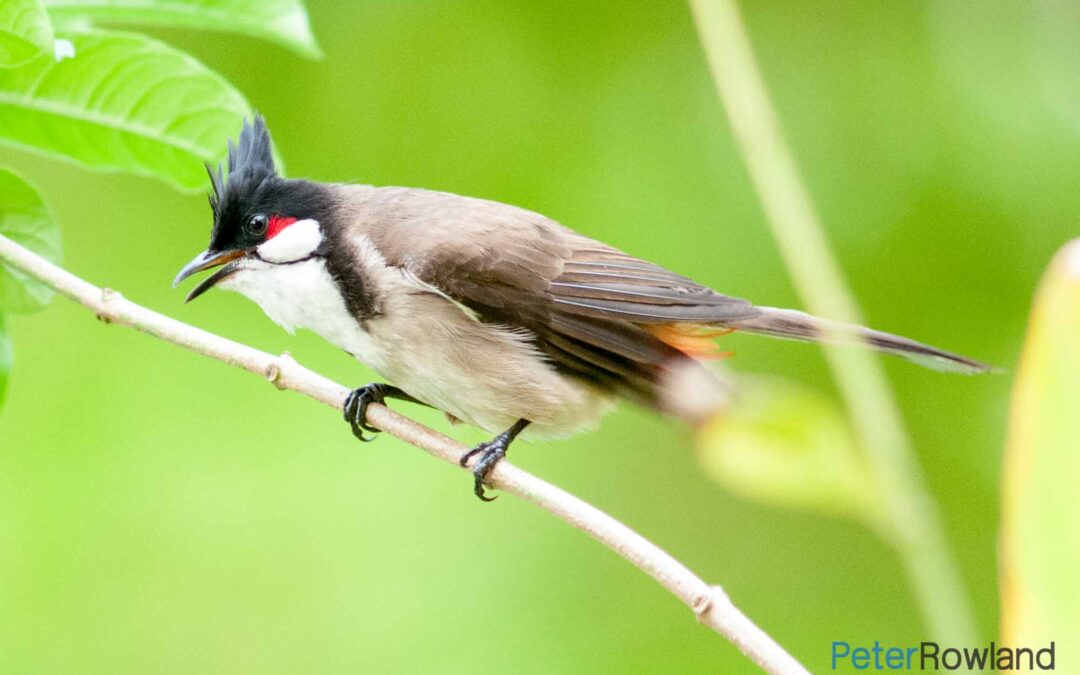
Red-whiskered Bulbul Scientific Name: Pycononotus jocosus Size: 20 to 22 cm What does it look like? The Red-whiskered Bulbul is instantly identifiable by its pointed black crest. The remaining plumage is brown above, with a white cheek and throat, mottled underparts...