by Peter Rowland | Friday, October 16, 2020
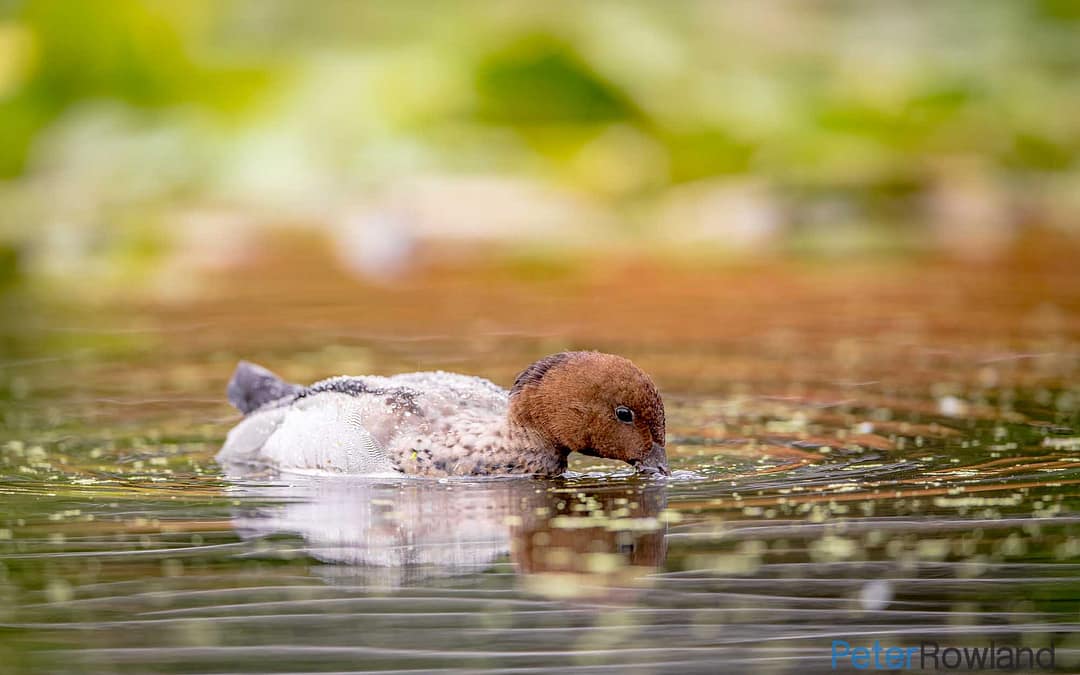
Australian Wood Duck Male (left); Female (right) Scientific Name: Chenonetta jubata Size: 42 to 60 cm What does it look like? The Australian Wood Duck is identified by its brown head, grey and black back and wings, and speckled underparts. The male is larger and has a...

by Peter Rowland | Friday, October 16, 2020
Bar-shouldered Dove Scientific Name: Geopelia humeralis Size: 27 to 31 cm What does it look like? The Bar-shouldered Dove has a slender build, brown upperparts, with distinct black edging to each feather, russet nape, grey face and throat and pale underparts, should...
by Peter Rowland | Friday, October 16, 2020
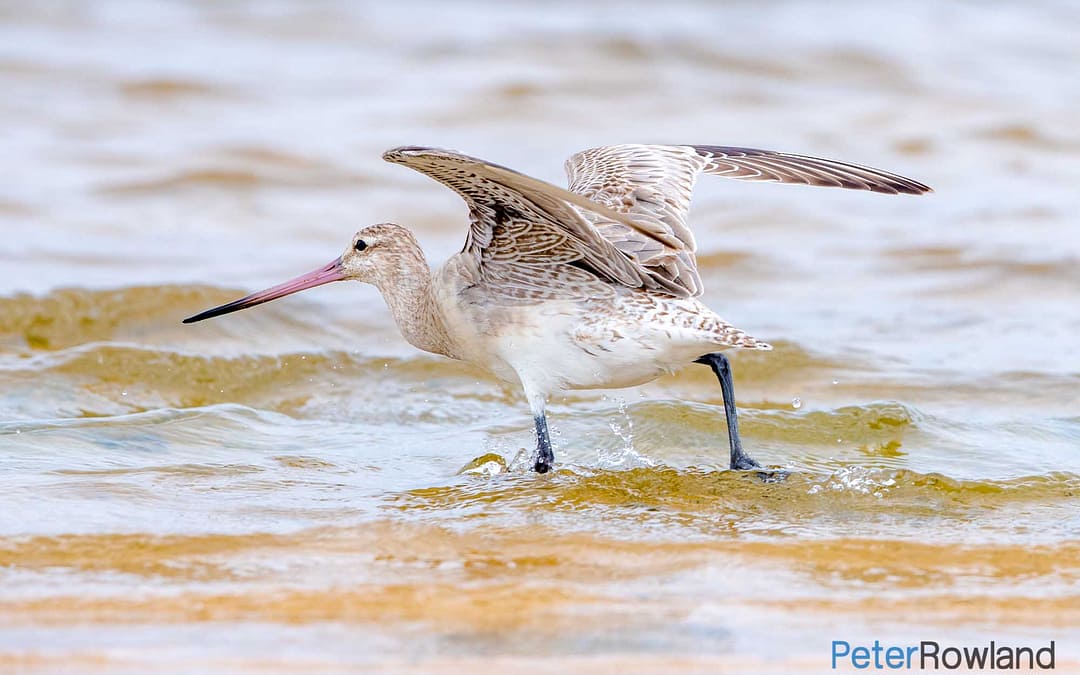
Bar-tailed Godwit Scientific Name: Limosa lapponica Size: 37 to 45 cm What does it look like? The Bar-tailed Godwit is mainly mottled brown above and lighter and more uniform buff below. It has dull white underwings, and a long, slightly upturned bill. As the name...
by Peter Rowland | Friday, October 16, 2020
Barking Owl Scientific Name: Ninox connivens Size: 35 to 45 cm What does it look like? The Barking Owl is a medium-sized hawk-owl. Hawk-owls do not have a definite heart-shaped face, unlike the tyto-owls. The plumage is grey-brown above, with white spots on the wings,...
by Peter Rowland | Friday, October 16, 2020
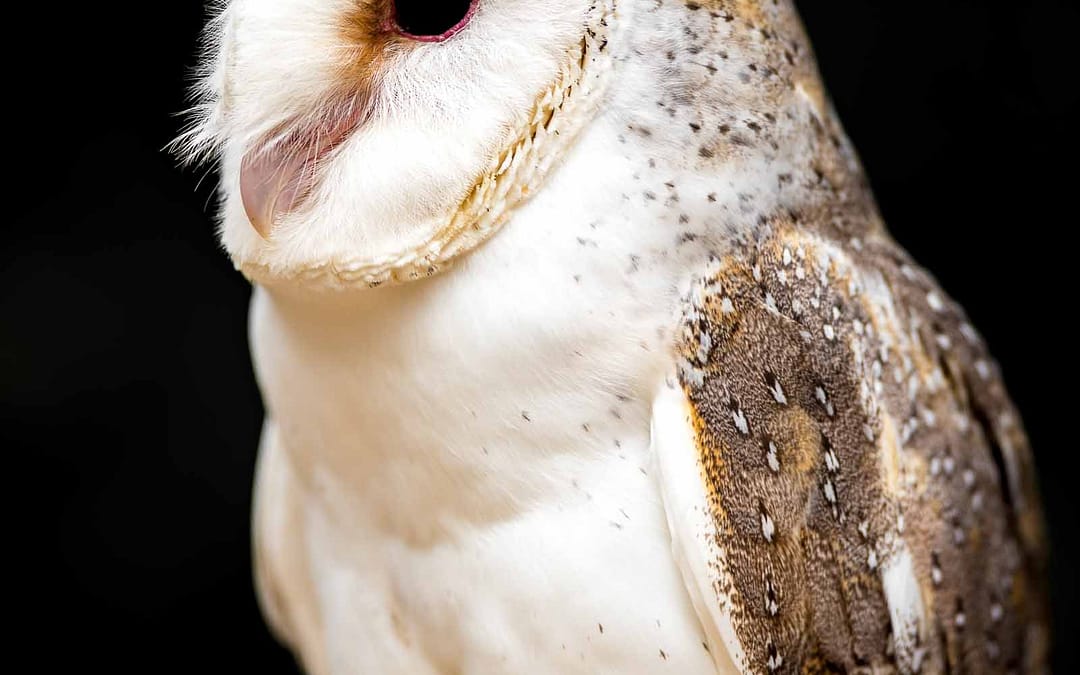
Barn Owl Scientific Name: Tyto alba Size: 30 to 39 cm What does it look like? The Barn Owl is moderately common, but generally hard to see, as they are mostly active at night. During the day the birds roost on concealed tree branches. They are the most widespread and...