by Peter Rowland | Monday, October 19, 2020
Musk Duck Scientific Name: Biziura lobata Size: Total Length 47-73cm (males much larger than females) What does it look like? The male Musk Duck arguably has the unfortunate reputation of being perhaps the most grotesque looking of all of Australia’s birds, due to a...

by Peter Rowland | Friday, November 13, 2020
Little Red Fruit-bat Scientific Name: Pteropus scapulatus Size: Head-Body 120–200 mm; Forearm 116–140 mm What does it look like? The Little Red Fruit-bat’s fur is pale brown to rich reddish-brown, often becoming more greyish on head, and occasionally with...
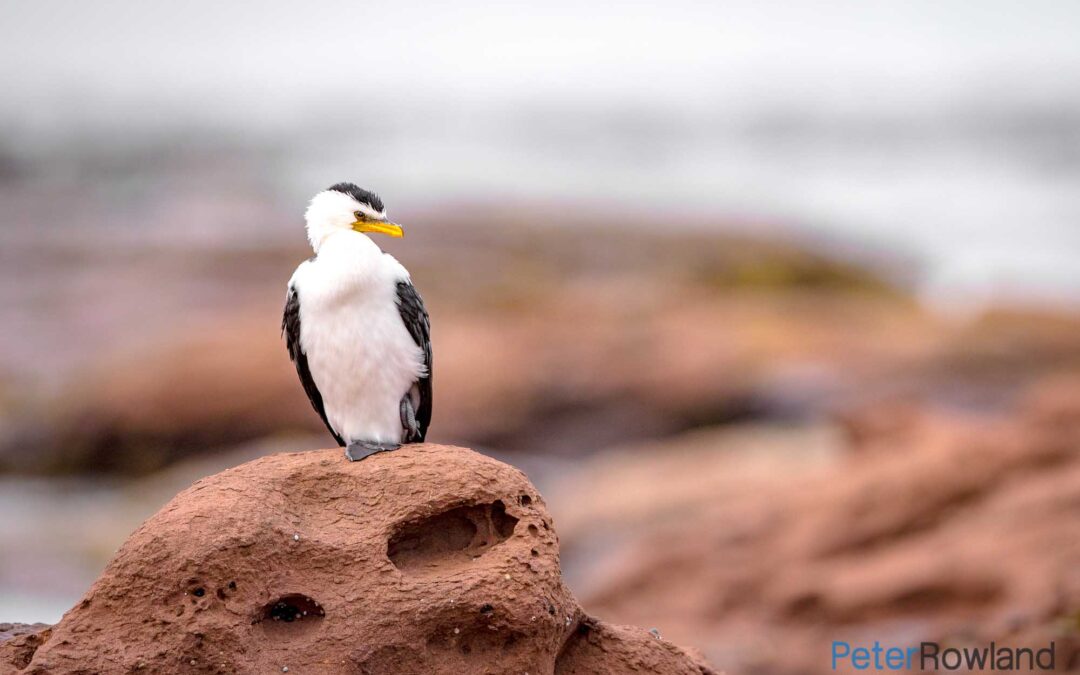
by Peter Rowland | Friday, November 13, 2020
Little Pied Cormorant Scientific Name: Microcarbo melanoleucos Size: Total Length 50 to 60 cm What does it look like? The Little Pied Cormorant is identified by its black and white plumage, being entirely black above and white below. The larger (65 to 80 cm) Pied...

by Peter Rowland | Sunday, October 18, 2020
Little Black Cormorant Scientific Name: Phalacrocorax sulcirostris Size: 60 to 65 cm What does it look like? The Little Black Cormorant is entirely black in plumage, although the feathers of the back can exhibit a greenish gloss. It lacks the yellow and white facial...
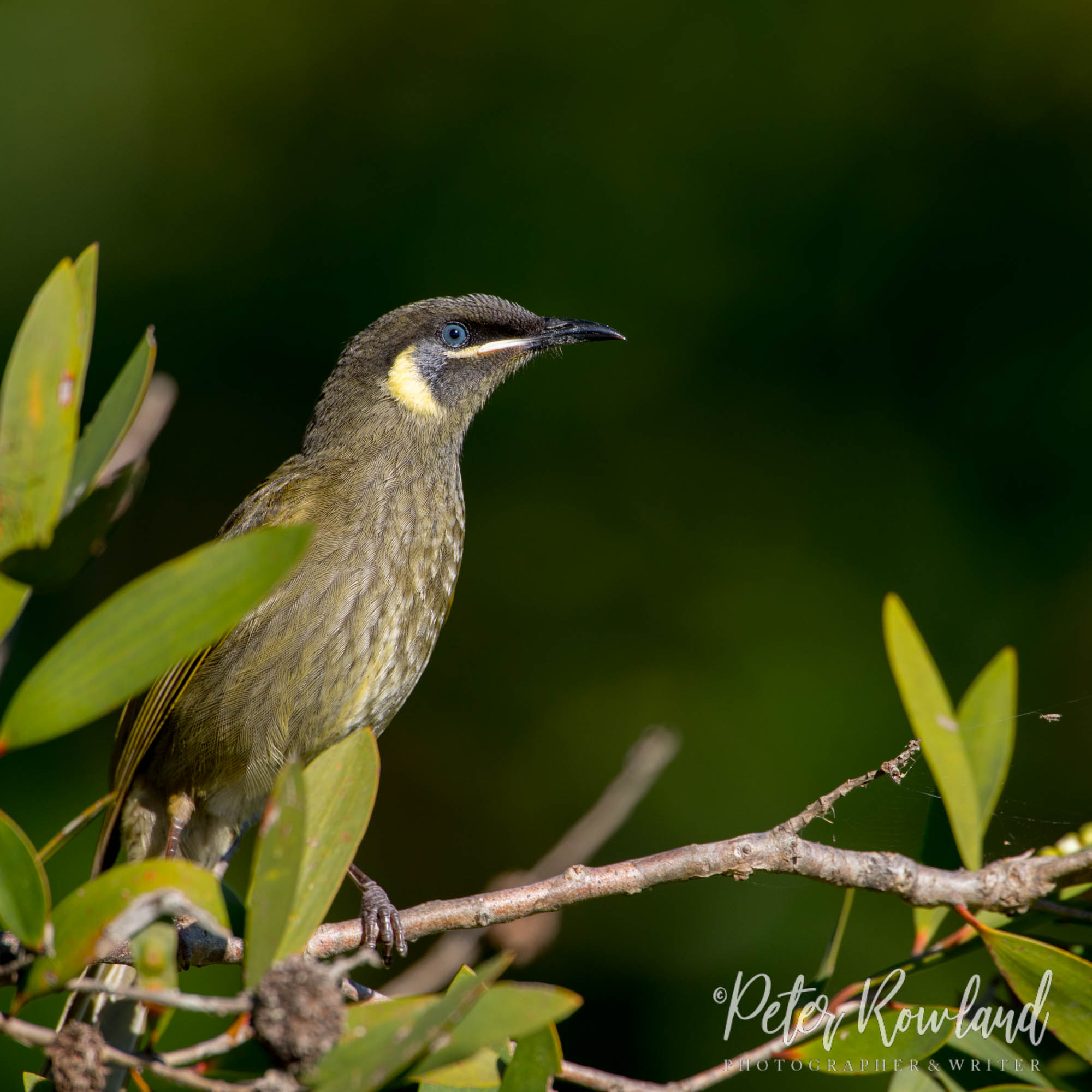
by Peter Rowland | Friday, November 13, 2020
Lewin’s Honeyeater Scientific Name: Meliphaga lewinii Size: 20 to 22 cm What does it look and sound like? The Lewin’s Honeyeater is small to medium in size. It is dark greenish grey in colour, with a creamy yellow gape (fleshy corners of the mouth). It has...