by Peter Rowland | Monday, October 19, 2020
Quokka Scientific Name: Setonix brachyurus Size: Total Length 680–850 mm, including tail 245–310 mm What does it look like? The Quokka is uniformly brown, heavily flecked with grey and tinged with reddish-brown. Short, sparsely furred tail (about 60 per cent...

by Peter Rowland | Wednesday, October 21, 2020
Southern Old Lady (Moon) Moth Scientific Name: Dasypodia selenophora Size: Wingspan up to 90mm What does it look like? The adult Southern Old Lady or Moon Moth is brown above, patterned with darker lines and a large blue, brown and black semicircular eyespot on each...
by Peter Rowland | Monday, October 19, 2020
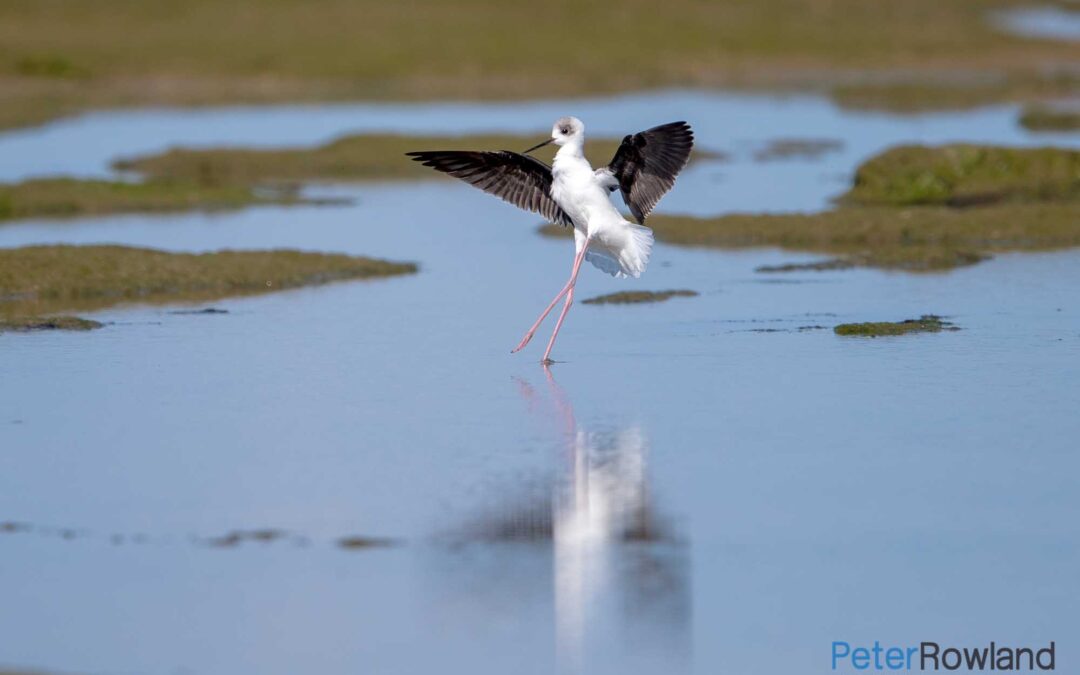
Stilts and Avocets (Family Recurvirostridae) Three species occur in Australia. Of these, both the Banded Stilt Chladorhynchus leucocephalus and Red-necked Avocet Recurvirostra novaehollandiae are endemic. The Pied Stilt Himantopus leucocephalus is a breeding resident,...

by Peter Rowland | Monday, October 19, 2020
Little Corella Scientific Name: Cacatua sanguinea Size: 35 to 39 cm What does it look like? The Little Corella is mostly white, often tinged with pink. They have a fleshy blue eye-ring and a pale rose-pink patch between the eye and bill. In flight, a bright...

by Peter Rowland | Friday, November 13, 2020
Little Wattlebird Scientific Name: Anthochaera chrysoptera Size: 26 to 30 cm What does it look like? The Little Wattlebird is a medium to large honeyeater, but is the smallest of the wattlebirds. It is mostly dark grey-brown above, with faint white shafts on each of...