by Peter Rowland | Friday, October 16, 2020
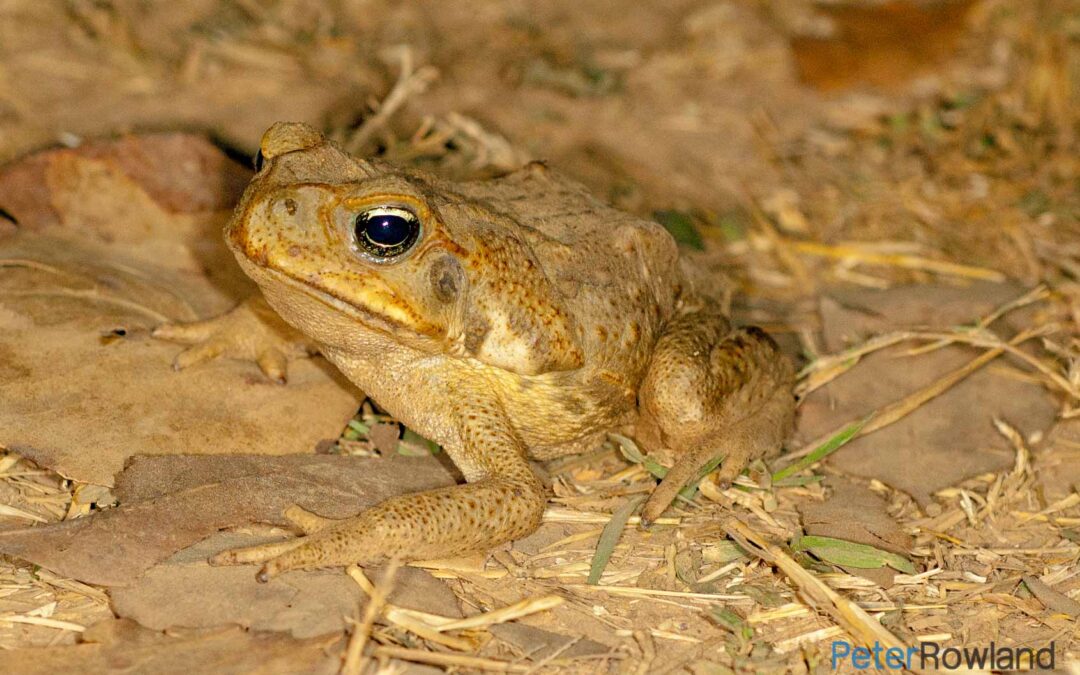
Cane Toad Scientific Name: Rhinella marina Size: 12 cm (exceptions up to 20cm) What does it look like? The Cane Toad is yellow to brown or greyish above with black spotting; younger individuals can have red to orange spots. Juveniles grey to black, often flecked with...

by Peter Rowland | Thursday, November 5, 2020
Carnivores (Order: Carnivora) Carnivora is an order of placental mammals, characterised by their adaptation to feed primarily on flesh. Some members, such as bears, are omnivorous, while others eat no flesh at all and are specialized herbivores, the most notable being...

by Peter Rowland | Monday, October 19, 2020
Centipedes (Class: Chilopoda) These predatory terrestrial invertebrates have up to 177 flattened body segments, most of which have a single pair of legs. The first body segment has a pair of large venomous fangs (forcipules), used for hunting, which are a modified...
by Peter Rowland | Sunday, October 25, 2020
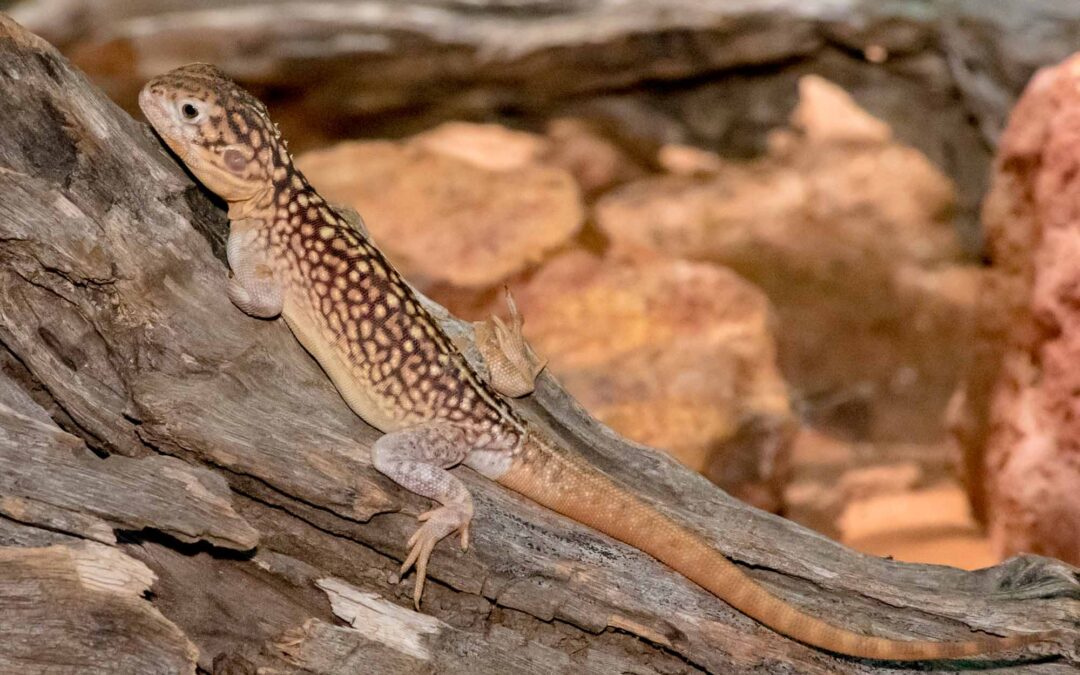
Central Netted Dragon Scientific Name: Ctenophorus nuchalis Size: Snout Vent Length 120 mm; Total Length 265 mm What does it look like? The Central Netted Dragon is small and stocky, with large, rounded head, short limbs and tapering tail. Spines scattered on sides of...
by Peter Rowland | Saturday, October 17, 2020
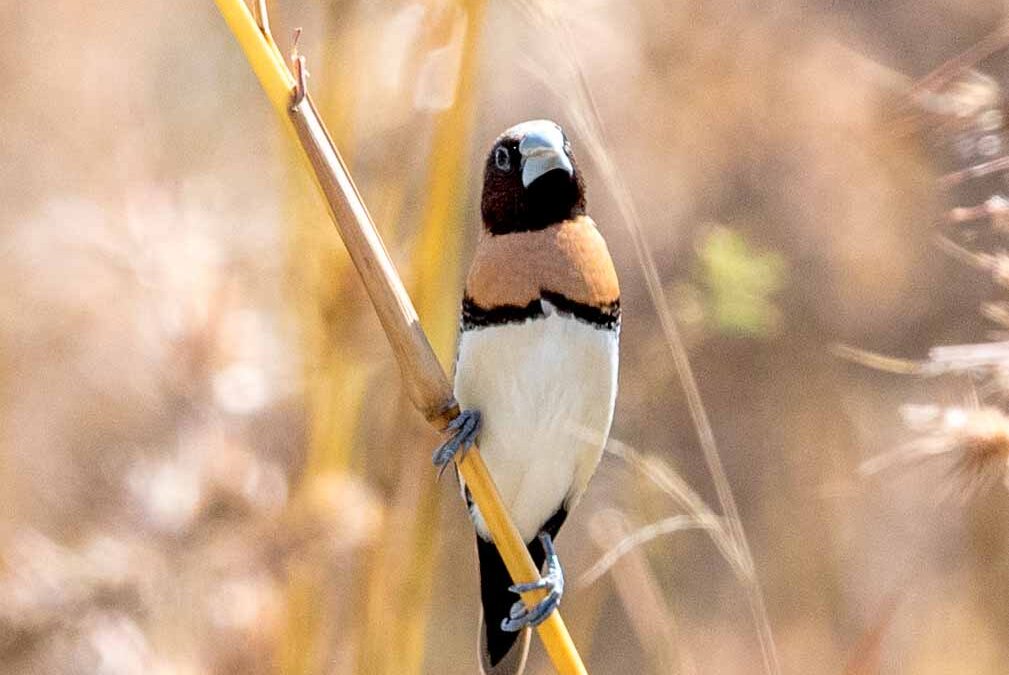
Chestnut-breasted Mannikin Scientific Name: Lonchura castaneothorax Size: 10 to 12 cm What does it look and sound like? The Chestnut-breasted Mannikin is a beautiful, thick-set finch with a powerful bill. The upperparts are rich chestnut, with a grey crown. The...