by Peter Rowland | Monday, February 28, 2022
Buntings (Family Emberizidae) Buntings are sparrow-like birds, with short, conical bills. The Yellowhammer Emberiza citronella has been recorded on LHI in 1949, regarded as a self-introduced vagrant from New Zealand, where it was introduced between 1862 and 1871. The...
by Peter Rowland | Thursday, October 22, 2020
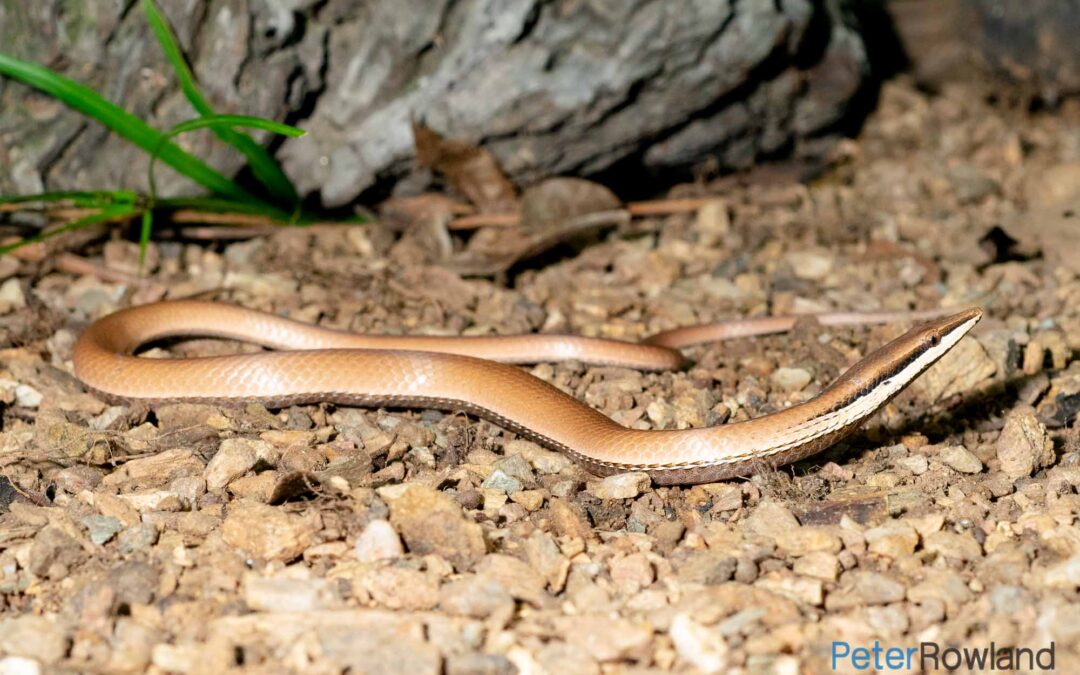
Burton’s Legless Lizard Scientific Name: Lialis burtonis Size: 270mm SVL (Snout-Vent Length) What does it look like? Burton’s Snake-lizard is a robust, smooth-scaled, ‘snake-like’ lizard. Elongated head with long, pointed, wedge-shaped snout, and short...

by Peter Rowland | Thursday, October 22, 2020
Bush Stone-Curlew Scientific Name: Burhinus grallarius Size: 52 to 58 cm What does it look and sound like? The Bush Stone-curlew, or Bush Thick-knee (as it is often called) is a large, mainly nocturnal, ground-dwelling bird. It is mostly grey-brown above, streaked...

by Peter Rowland | Monday, October 19, 2020
Bustards (Family Otididae) Typically, stocky birds of open plains, with an erect stance. The Australian Bustard Ardeotis australis is a breeding resident of Australia, but also occurs in New Guinea. Australian Bustard Birds Home Nature Facts...
by Peter Rowland | Monday, October 19, 2020
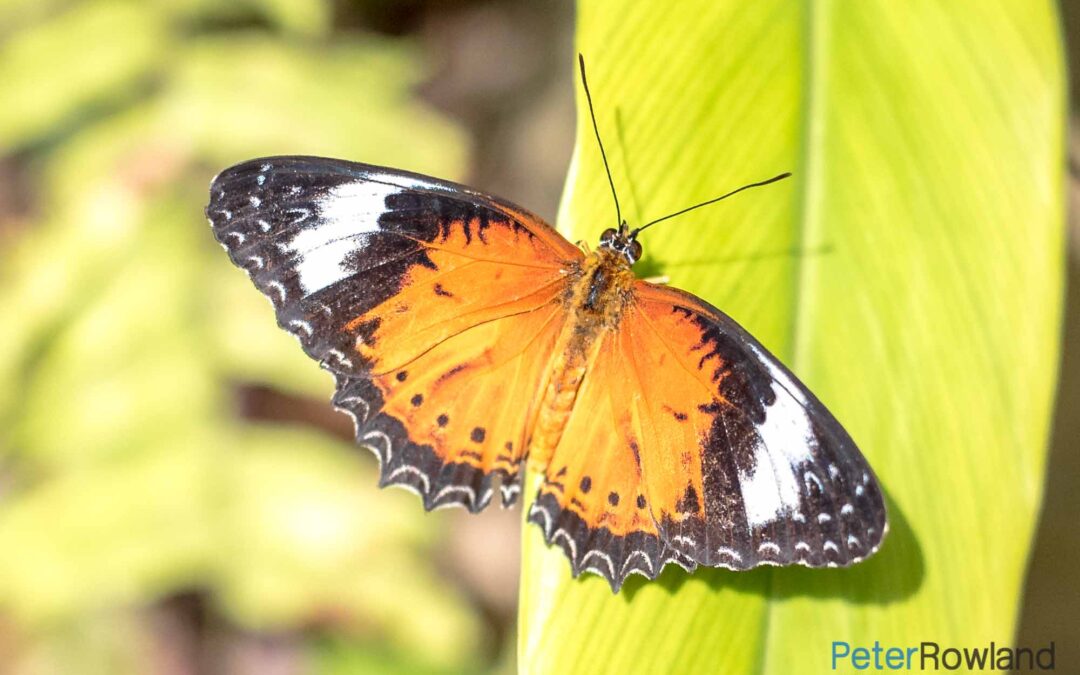
Butterflies and Moths (Order: Lepidoptera) Australia has just under 11,000 species described, contained within 91 families. Of these around 400 species belong to the butterflies, the remainder to the moths, but there could possibly be a further 20,000 species of moths...