by Peter Rowland | Sunday, October 18, 2020
Great Cormorant Scientific Name: Phalacrocorax carbo Size: Total Length 70 to 90 cm What does it look like? The large Great Cormorant is one of the largest cormorants in the world. It is almost entirely black in plumage, and can be separated from the Little Black...
by Peter Rowland | Sunday, October 18, 2020
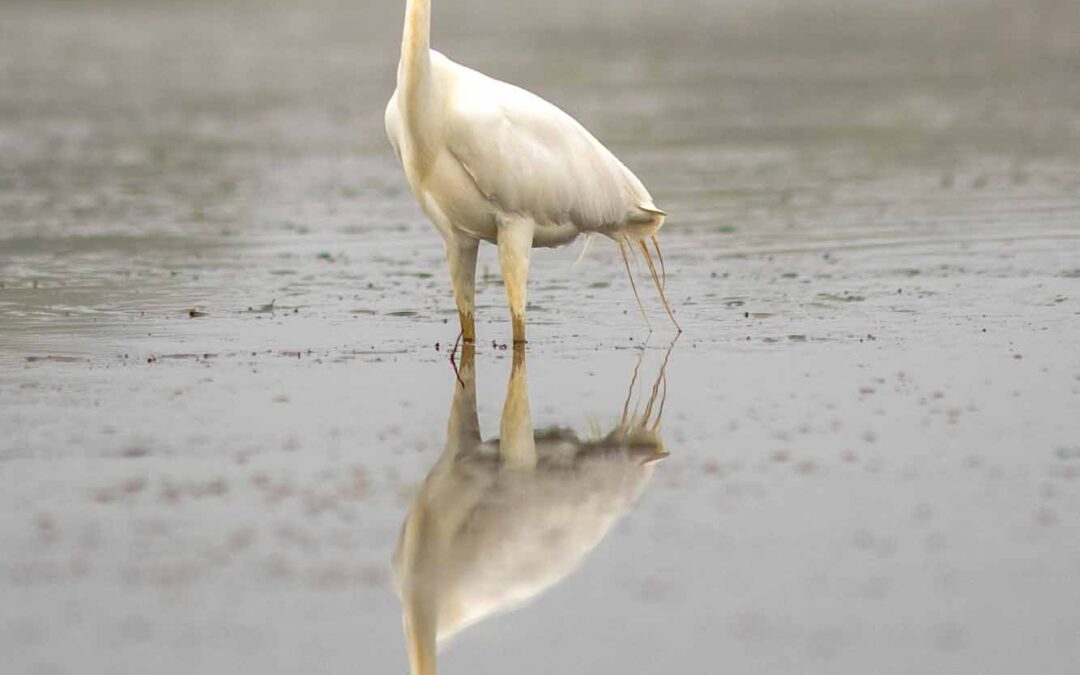
Great Egret Scientific Name: Ardea alba Size: 41 to 49 cm What does it look like? The Great Egret is the largest of the Australian egrets. The overall plumage is white, and, for most of the year, the bill and facial skin are yellow. The feet are dark olive-grey, as...

by Peter Rowland | Thursday, November 12, 2020
Grey Teal Scientific Name: Anas gibberfrons Size: 40 to 48 cm What does it look like? The Grey Teal is almost all grey-brown. Each feather of the body is edged with buff, except on the rump. The chin and throat are white, the bill is dark blue grey and the eye is red....
by Peter Rowland | Sunday, October 18, 2020
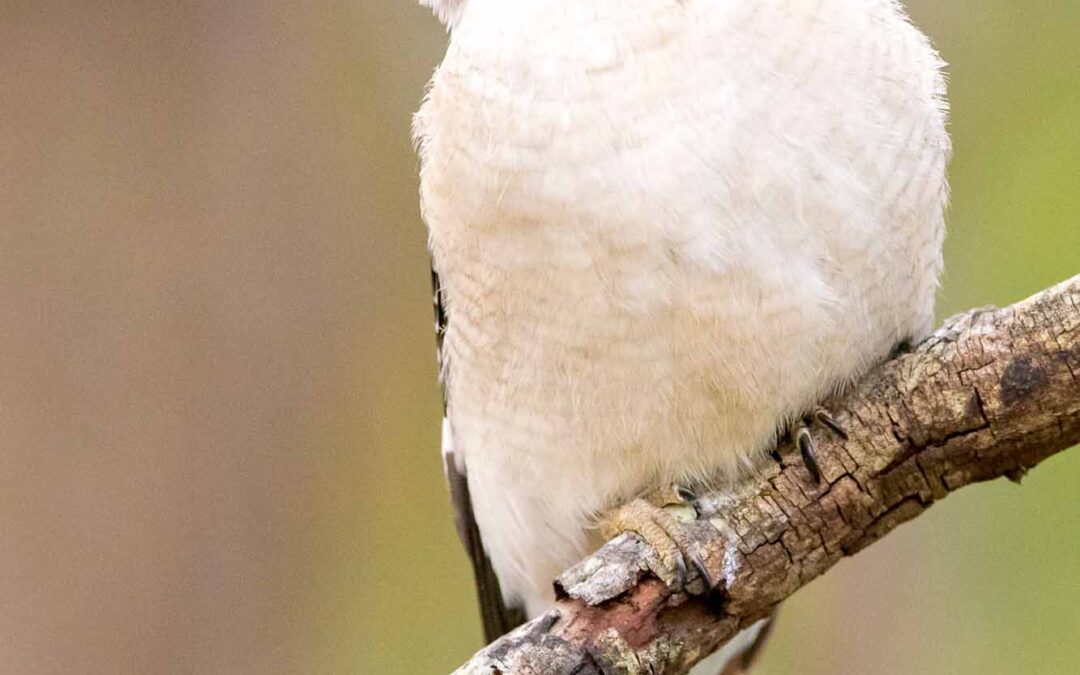
Laughing Kookaburra Scientific Name: Dacelo novaeguineae Size: 40 to 45 cm. What does it look and sound like? The Laughing Kookaburra is instantly recognisable in both plumage and voice. It is generally white below, faintly barred with dark brown, and brown on the...

by Peter Rowland | Sunday, October 18, 2020
Little Black Cormorant Scientific Name: Phalacrocorax sulcirostris Size: 60 to 65 cm What does it look like? The Little Black Cormorant is entirely black in plumage, although the feathers of the back can exhibit a greenish gloss. It lacks the yellow and white facial...