by Peter Rowland | Thursday, October 22, 2020
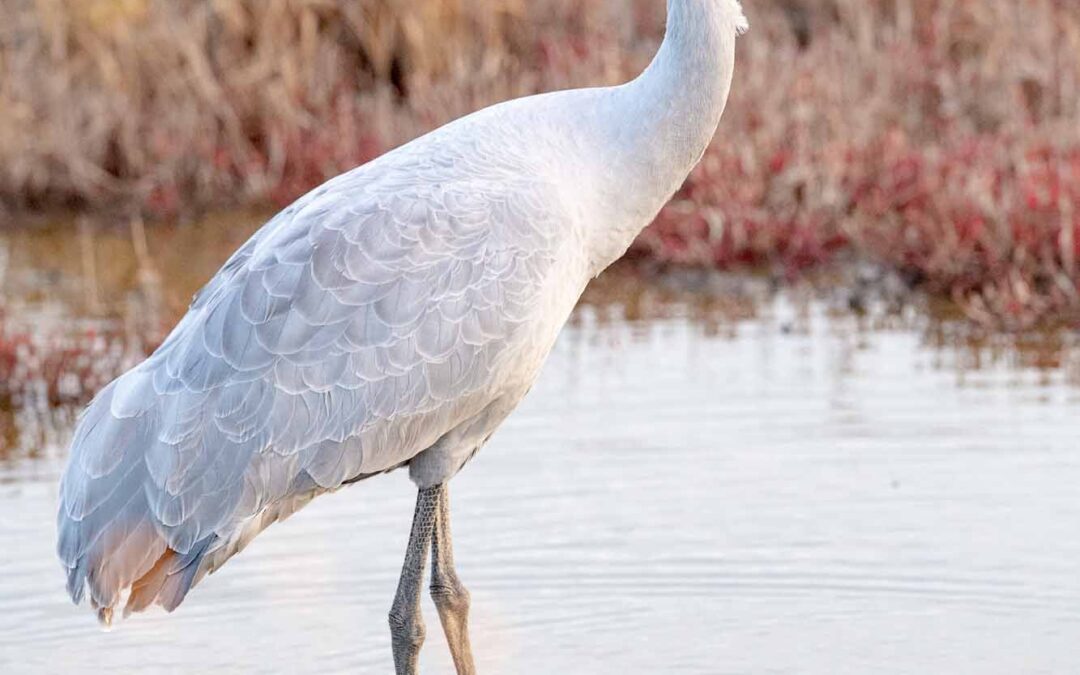
Brolga Scientific Name: Grus rubicunda Size: Up to 1.3m What does it look like? The Brolga is a large grey crane, with a featherless red head and grey crown. The legs are grey and there is a black dewlap under the chin. The Brolga’s call is a loud trumpeting...

by Peter Rowland | Thursday, October 22, 2020
Bush Stone-Curlew Scientific Name: Burhinus grallarius Size: 52 to 58 cm What does it look and sound like? The Bush Stone-curlew, or Bush Thick-knee (as it is often called) is a large, mainly nocturnal, ground-dwelling bird. It is mostly grey-brown above, streaked...

by Peter Rowland | Friday, October 16, 2020
Cattle Egret Non-breeding plumage Breeding pair on a nest Scientific Name: Bubulcus coromandus Size: 45 to 55 cm What does it look like? Smallest of the Australian egrets, the Cattle Egret should not be confused with the larger Intermediate Egret, which occasionally...
by Peter Rowland | Tuesday, April 27, 2021
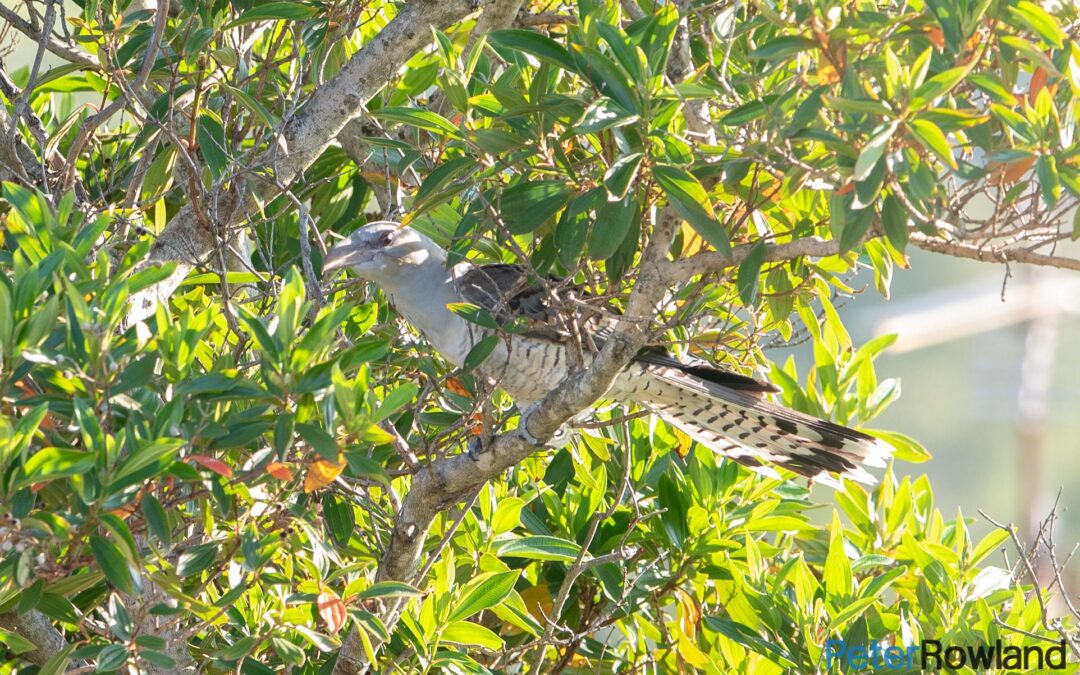
Channel-billed Cuckoo Scientific Name: Scythrops novaehollandiae Size: 58 to 65 What does it look and sound like? The Channel-billed Cuckoo is the largest parasitic cuckoo in the world. Apart from its large size, its massive pale, down-curved bill, grey plumage...

by Peter Rowland | Tuesday, April 27, 2021
Cockatiel Scientific Name: Nymphicus hollandicus Size: Total Length 30 to 33 cm What does it look and sound like? The Cockatiel is an unusual member of the cockatoo family. It is small in size, and has a slender body and long pointed tail, which is more characteristic...