by Peter Rowland | Monday, October 19, 2020
Leeches (Class: Clitellata) These segmented invertebrates, usually have a poorly-defined head and lack parapodia (‘legs’). The mouth is on the undersurface and the brain is located in one of the body segments. The jawless leeches are known to harbour malarial...
by Peter Rowland | Monday, October 19, 2020
Stick Insects and Leaf Insects (Order: Phasmida) Of the 103 currently described species in Australia, contained within three families, Phasmatidae is largest, with 66 species. Body typically very long and cylindrical, resembling sticks, or flattened, resembling...

by Peter Rowland | Monday, October 19, 2020
Swallowtails (Family: Papilionidae) Twenty-one species, contained within six genera have been recorded in Australia. They are large, colourful butterflies. Some species have extensions on their hindwings. Orchard Swallowtail Insects Home Nature Facts...
by Peter Rowland | Monday, October 19, 2020
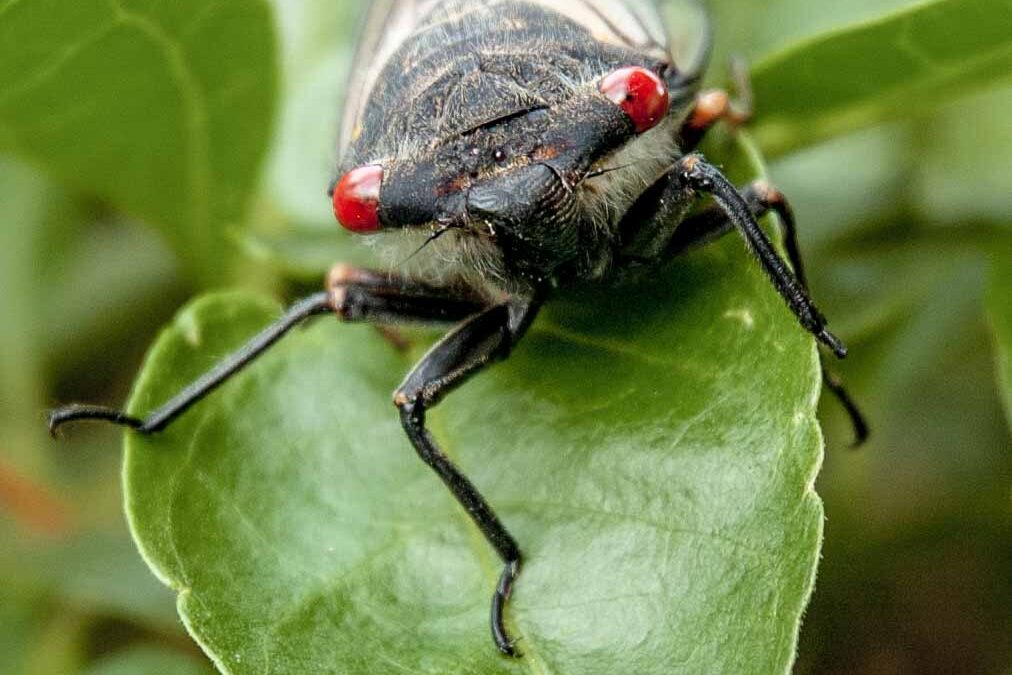
True Bugs (Order: Hemiptera) Very large order with 119 families, containing over 6,000 species found in Australia. Split into four suborders, largest being Heteroptera with 67 families in Australia, followed by Sternorrhyncha with 29 families, then Auchenorrhyncha...
by Peter Rowland | Monday, October 19, 2020
Twisted Wings and Stylops (Order: Strepsiptera) Largely undescribed order, with six families containing 42 species described, and over 150 species presumed to occur in Australia. Males possess enlarged, membranous hindwings, with little to no visible venation, and...