by Peter Rowland | Friday, October 16, 2020
Australian Wood Duck Male (left); Female (right) Scientific Name: Chenonetta jubata Size: 42 to 60 cm What does it look like? The Australian Wood Duck is identified by its brown head, grey and black back and wings, and speckled underparts. The male is larger and has a...
by Peter Rowland | Monday, October 19, 2020
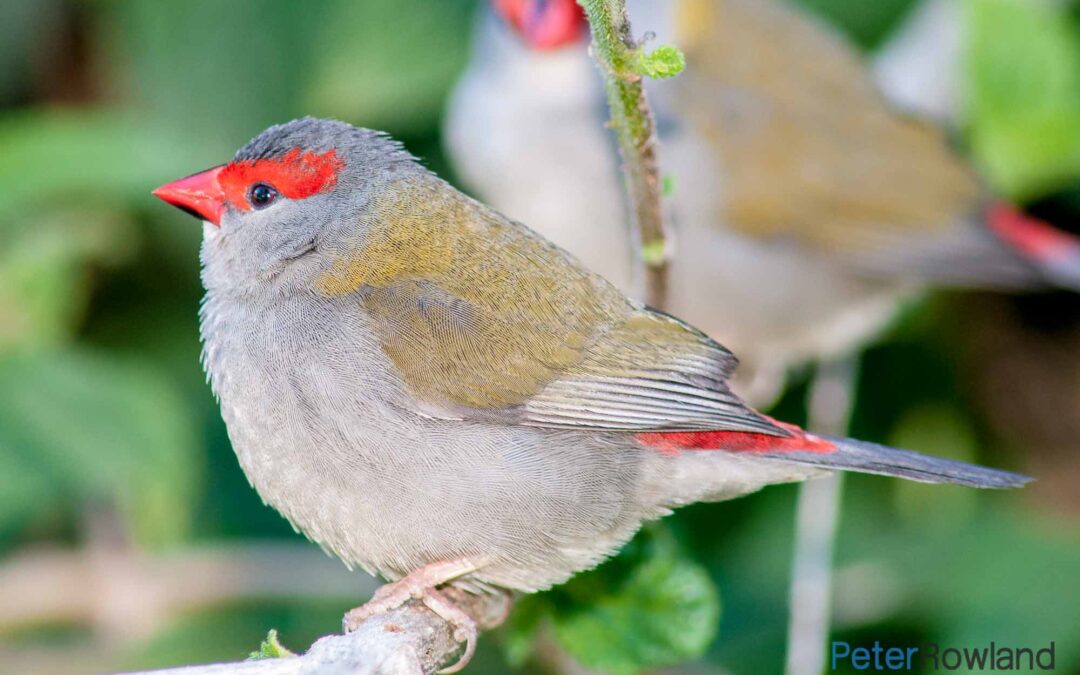
Australo-Papuan Grassfinches (Family Estrildidae) Fourteen of the 21 species of this family recorded in Australia are endemic, five of,the other breeding species extend to New Guinea and the Zebra Finch Taeniopygia guttata is found in Timor. The Nutmeg Mannikin L....

by Peter Rowland | Monday, October 19, 2020
Australo-Papuan Robins (Family Petroicidae) Most of the 21 Australian species are endemic, although a few such as the Mangrove Robin Peneothello pulverulenta and Lemon-bellied Flycatcher Microeca flavigaster extend to New Guinea. Some like the Eastern Yellow Robin...

by Peter Rowland | Friday, October 16, 2020
Banana Stalk-fly Scientific Name: Telostylinus lineolatus Size: TL 20mm What does it look like? The Banana-stalk Fly is dark brown and yellowish-cream, with large red eyes on elongated head, and moderately long, thickened antennae with single long thin arista arising...

by Peter Rowland | Monday, October 19, 2020
Peramelemorphs (Order: Peramelemorphia) Bandicoots are timid, nocturnal ground-dwellers, and only 9 species remain today, with the Desert Bandicoot Perameles eremiana the only extinct member. They are often confused with rodents, but are marsupials with backward...