by Peter Rowland | Tuesday, October 20, 2020
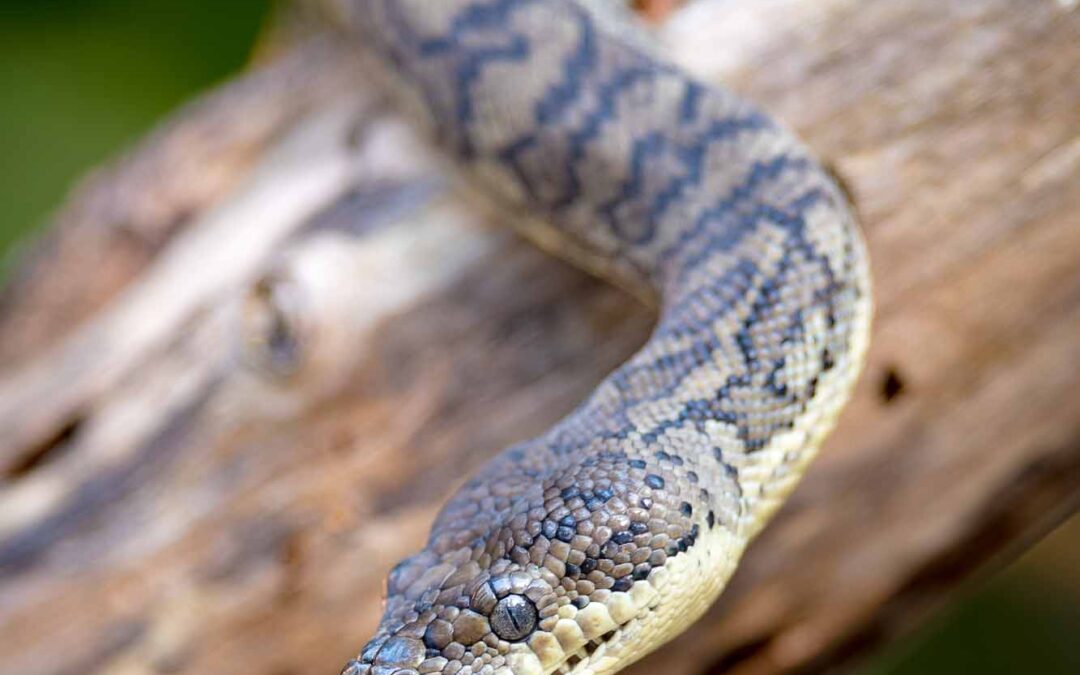
Snakes (Suborder: serpentes) Snakes, of the suborder Serpentes, form the second largest group of reptiles after the lizards, containing just over a third of the world’s currently known species. While Australia has less than 10 per cent of these species, it is home to...

by Peter Rowland | Monday, October 19, 2020
Starlings (Family Sturnidae) Seven species are present in Australia. The native Metallic Starling Aplonis metallica and the Singing Starling Aplonis cantoroides both have wider distributions, the Common Starling Sturnus vulgaris and Common Myna Acridotheres tristis...

by Peter Rowland | Monday, October 19, 2020
Stone-curlews (Family Burhinidae) Two species of long-legged, generally shy, cryptically-plumaged birds. Both the Bush Stone-curlew Burhinus grallarius and Beach Stone-curlew Esacus magnirostris are breeding residents in Australia, but are also found in New Guinea,...

by Peter Rowland | Monday, October 19, 2020
Storks (Family Ciconiidae) The only stork recorded in Australia is the Black-necked Stork Ephippiorhnchus asiaticus. The subspecies that breeds within Australia, extends into Southeast Asia. Tall, with coral pink legs, dark head and large bill. Black-necked Stork...

by Peter Rowland | Saturday, October 24, 2020
Straw-necked Ibis Scientific Name: Threskiornis spinicollis Size: 59 to 76 cm What does it look like? The most striking and common of the Australian Ibises, the Straw-necked Ibis is identified by its iridescent purple-green back and wings and snow white underparts....