by Peter Rowland | Thursday, October 15, 2020
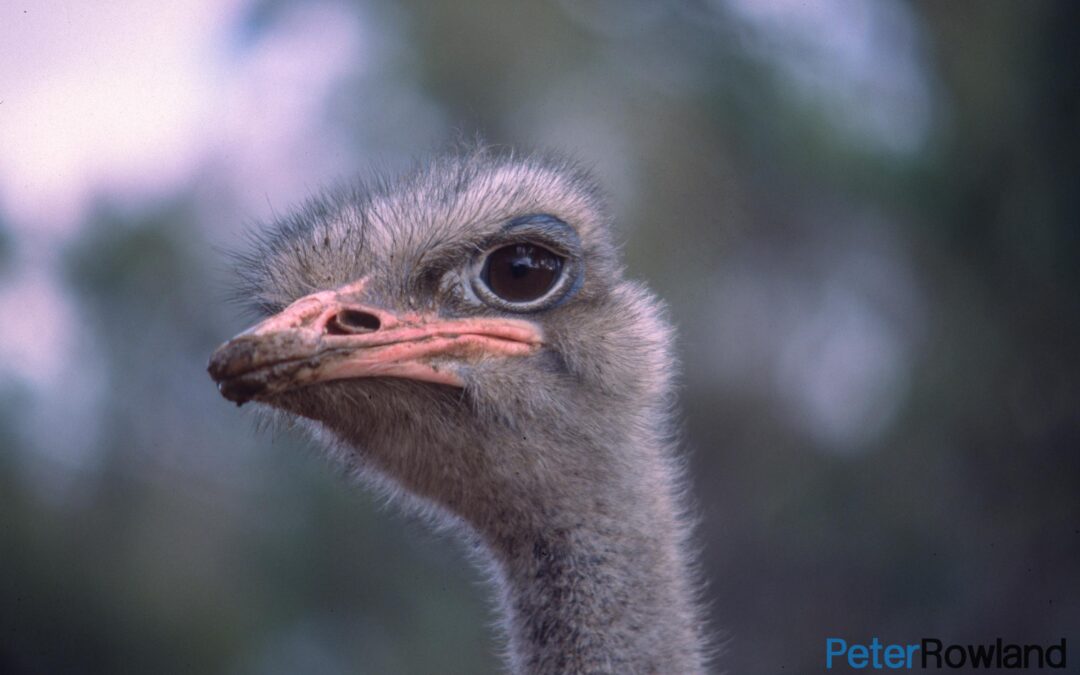
Ostriches (Family: Struthionidae) The Ostrich Struthio camelus is the tallest bird in Australia, and is flightless, lacking a keel on the sternum. Individuals are characterised by their strong legs, feet that lack a hind toe (possessing only two forward facing toes),...
by Peter Rowland | Thursday, October 15, 2020
Pheasants & Quail (Family Phasianidae) These cryptic, ground-dwelling birds of grasslands, have short, rounded wings. Eight species occur in Australia, including one endemic (Stubble Quail Coturnix pectoralis) and two breeding resident species (Brown Quail...
by Peter Rowland | Tuesday, October 27, 2020
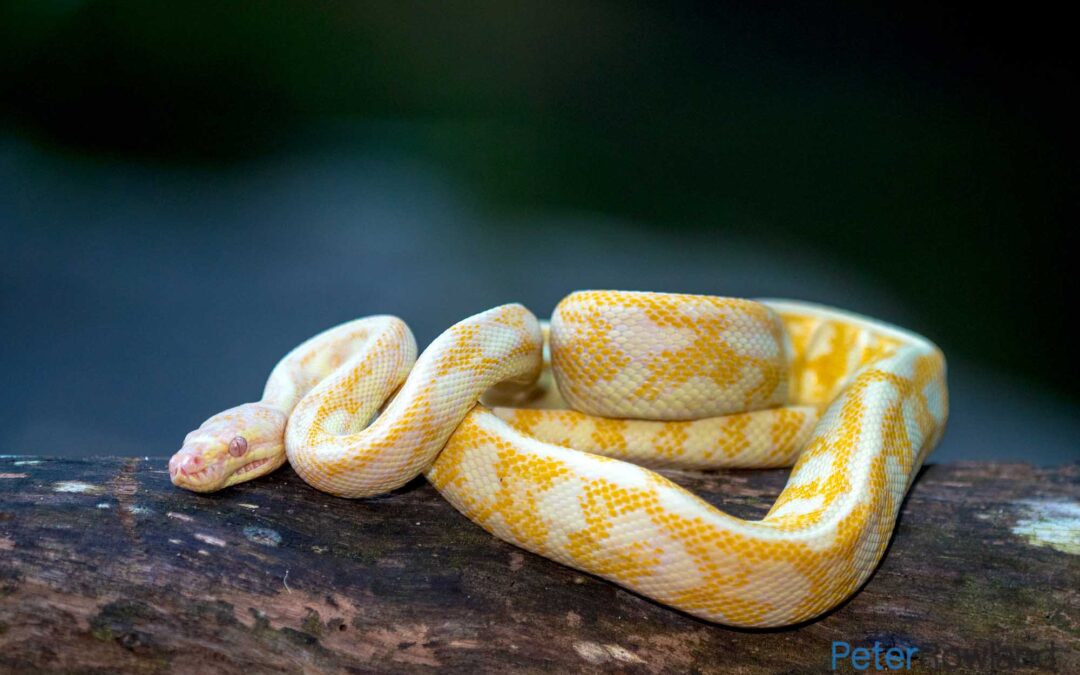
Pythons (Family: Pythonidae) Pythons do not use venom to kill their prey, instead their prey is first subdued with the sharp, rear-facing teeth, and then the snake’s body is wrapped around it, gradually getting more tightly coiled each time the helpless victim...

by Peter Rowland | Monday, October 19, 2020
Rats and Mice (Family: Muridae) Rodents are eutherian mammals, not marsupials. As such, the young develop within the body for a longer period, connected to a placenta that feeds the developing foetus, removes waste and aids respiration, and give birth to...
by Peter Rowland | Tuesday, October 20, 2020
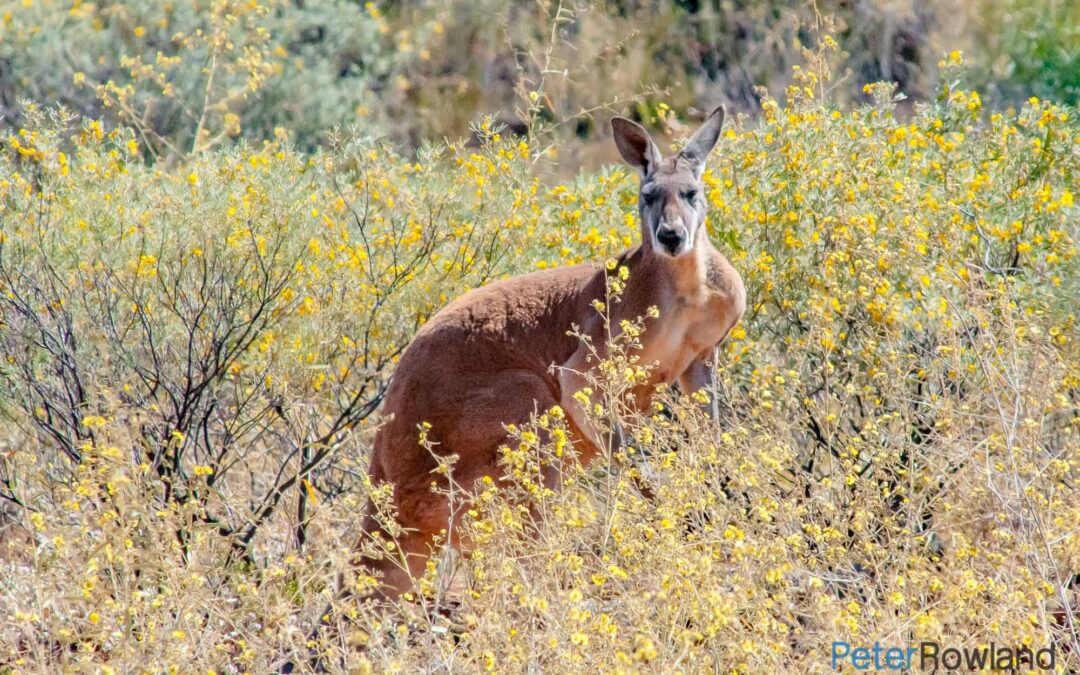
Red Kangaroo Scientific Name: Osphranter rufus Size: Total Length 1,645–2,400mm (including tail 645–1,000mm) What does it look like? The Red Kangaroo is the largest marsupial. Adult males are reddish-brown above, and females appear blue-grey, with a squarish snout,...