by Peter Rowland | Friday, November 13, 2020
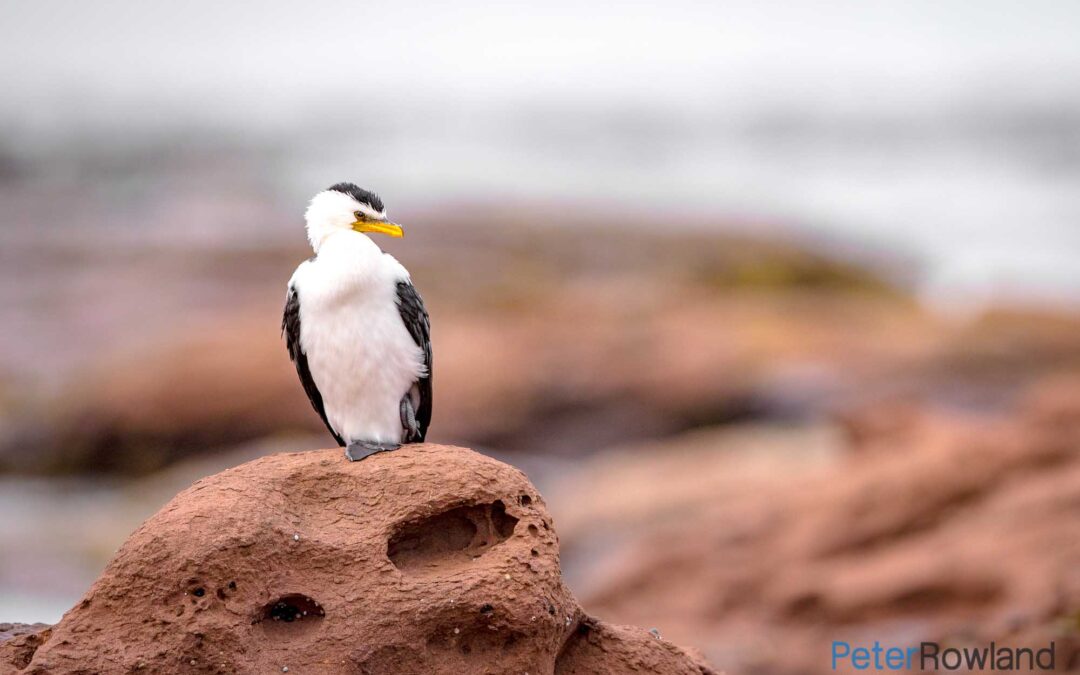
Little Pied Cormorant Scientific Name: Microcarbo melanoleucos Size: Total Length 50 to 60 cm What does it look like? The Little Pied Cormorant is identified by its black and white plumage, being entirely black above and white below. The larger (65 to 80 cm) Pied...

by Peter Rowland | Sunday, October 18, 2020
Little Black Cormorant Scientific Name: Phalacrocorax sulcirostris Size: 60 to 65 cm What does it look like? The Little Black Cormorant is entirely black in plumage, although the feathers of the back can exhibit a greenish gloss. It lacks the yellow and white facial...
by Peter Rowland | Friday, November 13, 2020
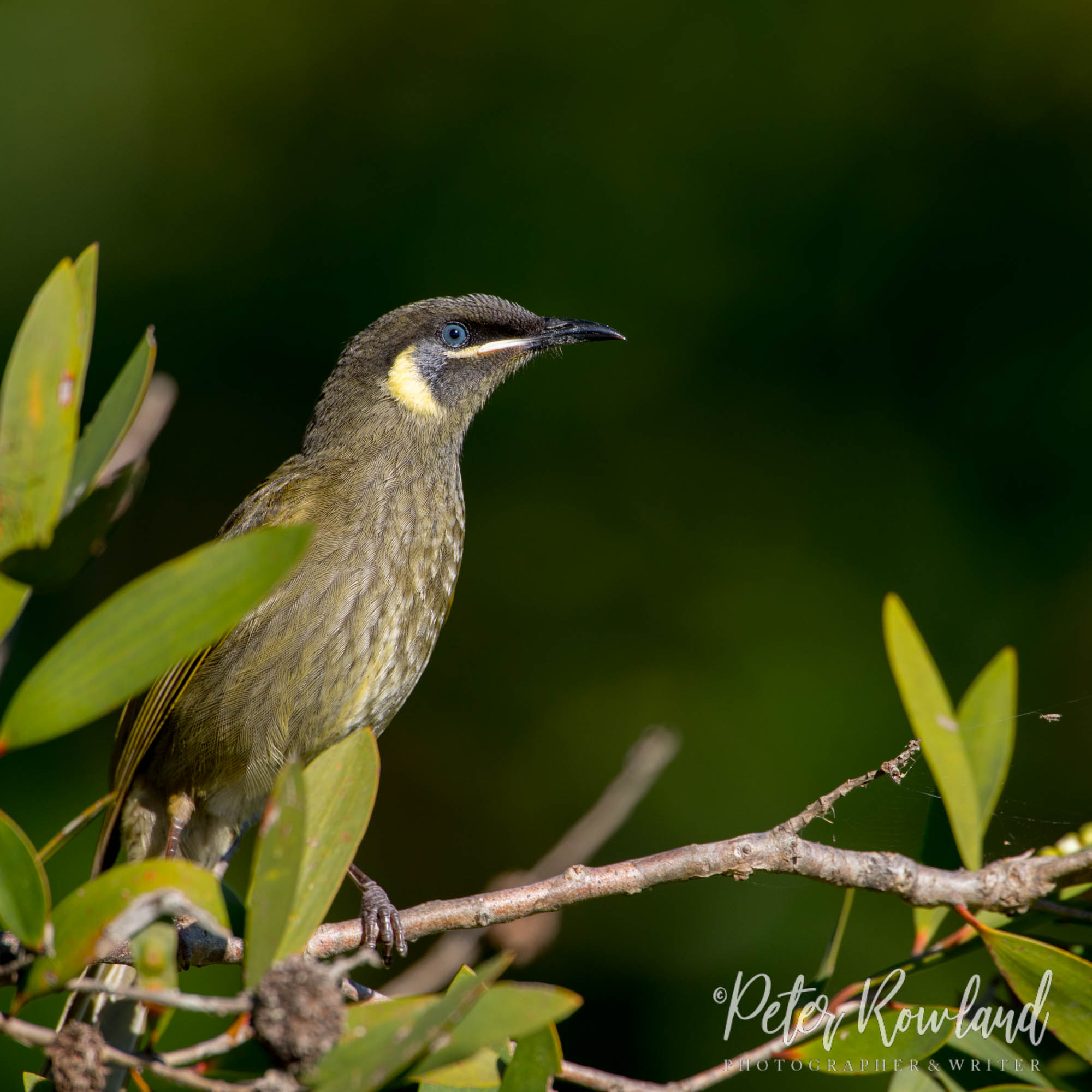
Lewin’s Honeyeater Scientific Name: Meliphaga lewinii Size: 20 to 22 cm What does it look and sound like? The Lewin’s Honeyeater is small to medium in size. It is dark greenish grey in colour, with a creamy yellow gape (fleshy corners of the mouth). It has...
by Peter Rowland | Sunday, October 18, 2020
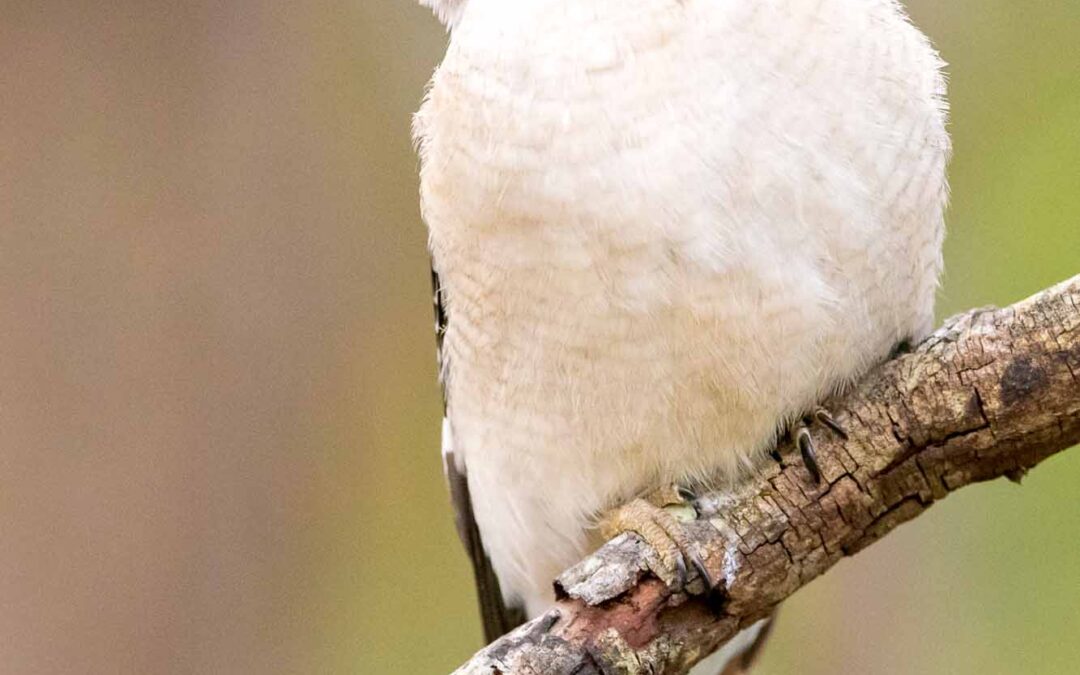
Laughing Kookaburra Scientific Name: Dacelo novaeguineae Size: 40 to 45 cm. What does it look and sound like? The Laughing Kookaburra is instantly recognisable in both plumage and voice. It is generally white below, faintly barred with dark brown, and brown on the...

by Peter Rowland | Sunday, October 18, 2020
Land Mullet Scientific Name: Bellatorias major Size: Snout Vent Length 300 mm What does it look like? The Land Mullet is Australia’s largest skink. Robust, glossy body with ‘fish-like’ head, medium-length tail and low-keeled scales. Blackish-brown to black above, and...