by Peter Rowland | Wednesday, November 4, 2020
Placentals (Infraclass: Eutheria) Placental mammals are characterised by the presence of a placenta, and include all living mammals except the marsupials and the monotremes. The placenta facilitates the exchange of nutrients and wastes between the mother and the...
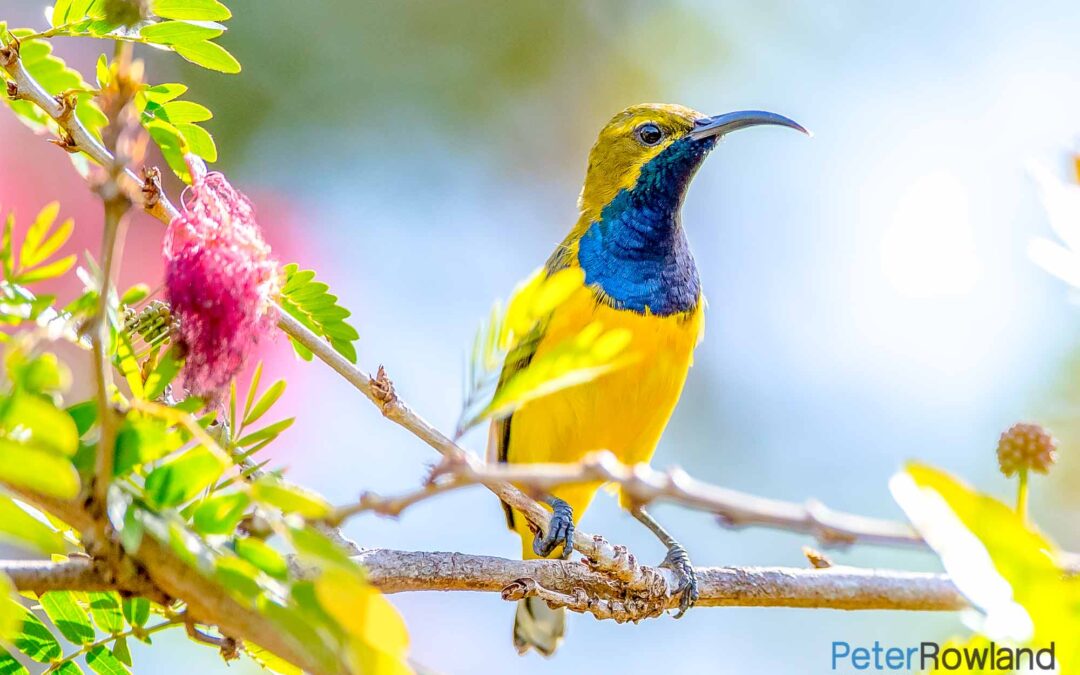
by Peter Rowland | Monday, October 19, 2020
Sunbirds Family Nectariniidae A single breeding resident, the Olive-backed Sunbird Cinnyris jugularis occurs in Australia, but is also in North Moluccas and New Guinea. Strong sexual dimorphism, with the male brightly coloured, and long, strongly decurved bill....
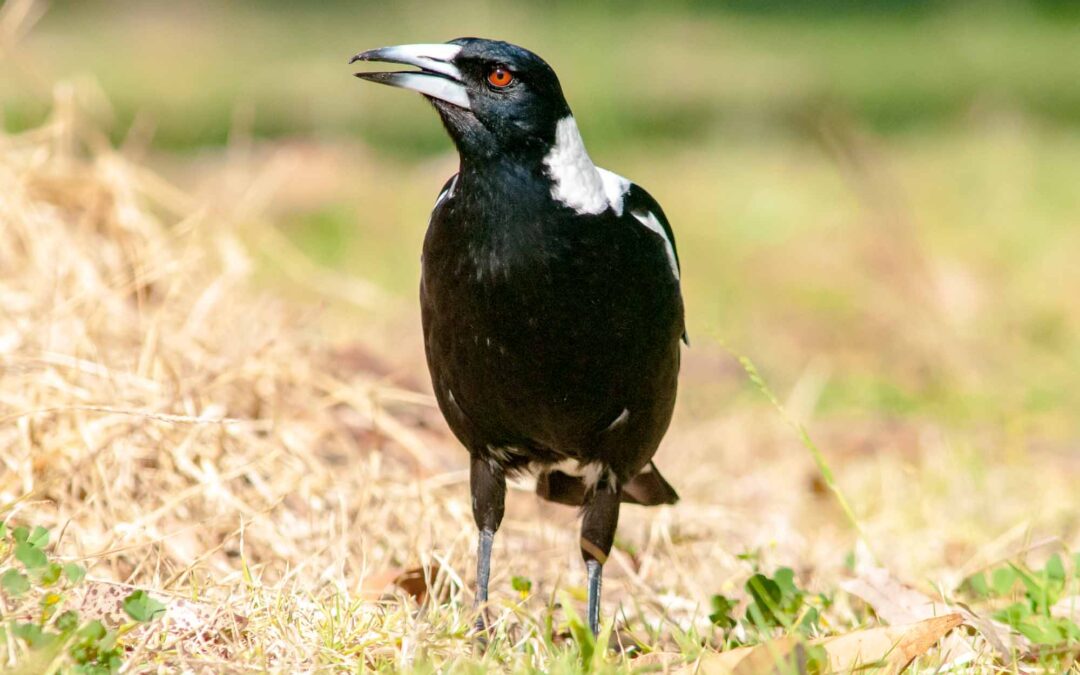
by Peter Rowland | Monday, October 19, 2020
Butcherbirds, Currawongs and Magpie (Family Cracticidae) Adults are typically black or grey, most with small to large patches of white, with the notable exception of the Black Butcherbird Mellioria quoyi of northern Qld and New Guinea. Three of the nine species have...

by Peter Rowland | Monday, October 19, 2020
Cockatoos (Family Cacatuidae) Eleven of Australia’s 14 species are endemic, with the others shared with New Guinea. Medium to large crested birds, except the Cockatiel Nymphicus hollandicus is more slender and parrot-like, with two toes facing forwards and two facing...

by Peter Rowland | Monday, October 19, 2020
Crakes and Rails (Family Rallidae) Stocky semi-aquatic birds of wetlands and adjacent grassland, typically with elongated toes. The endemic White Gallinule Porphyrio albus was aggressively hunted by sailors and whalers in the late 1700s and early 1800s and likely...