by Peter Rowland | Monday, October 19, 2020
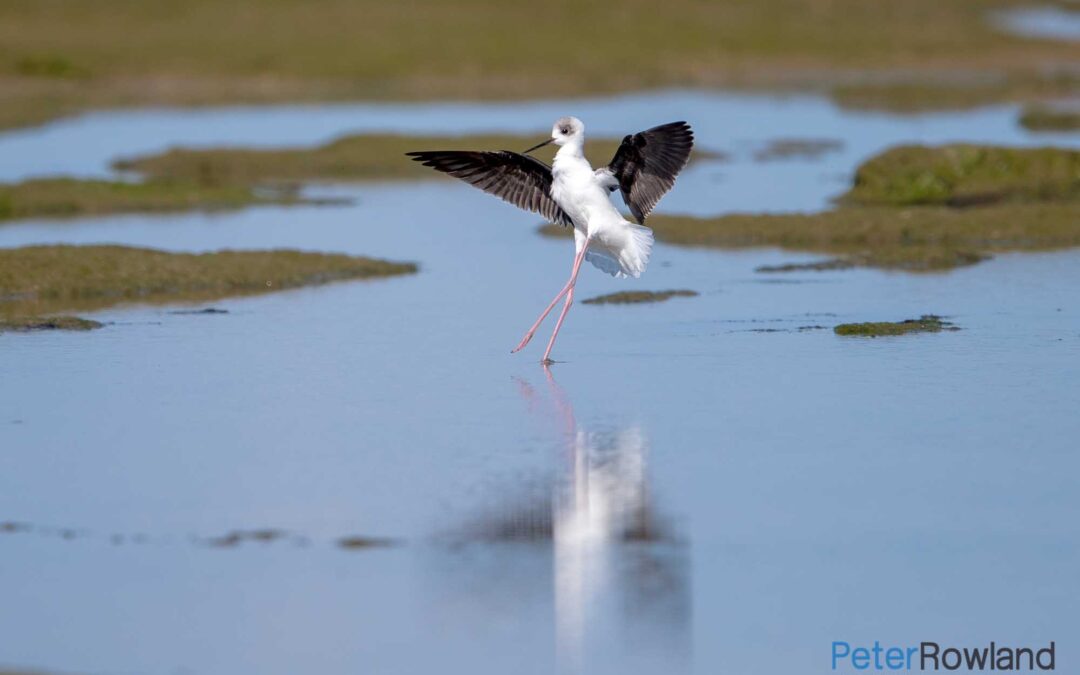
Stilts and Avocets (Family Recurvirostridae) Three species occur in Australia. Of these, both the Banded Stilt Chladorhynchus leucocephalus and Red-necked Avocet Recurvirostra novaehollandiae are endemic. The Pied Stilt Himantopus leucocephalus is a breeding resident,...

by Peter Rowland | Sunday, October 18, 2020
Little Black Cormorant Scientific Name: Phalacrocorax sulcirostris Size: 60 to 65 cm What does it look like? The Little Black Cormorant is entirely black in plumage, although the feathers of the back can exhibit a greenish gloss. It lacks the yellow and white facial...

by Peter Rowland | Sunday, October 18, 2020
Great Cormorant Scientific Name: Phalacrocorax carbo Size: Total Length 70 to 90 cm What does it look like? The large Great Cormorant is one of the largest cormorants in the world. It is almost entirely black in plumage, and can be separated from the Little Black...

by Peter Rowland | Friday, October 16, 2020
Cape Barren Goose Scientific Name: Cereopsis novaehollandiae Size: 75 to 100 (males larger than females) What does it look like? The Cape Barren Goose is an unmistakable large pale grey goose with bright yellowish cere and dark pink legs. Both sexes are similar and...
by Peter Rowland | Thursday, October 15, 2020
Guineafowl (Family Numididae) Populations of the Helmeted Guineafowl Numida meleagris occur in Australia from escaped captive-bred individuals. While most of these are not considered to be self-sustaining and viable, several ongoing breeding populations continue to...