by Peter Rowland | Monday, October 19, 2020
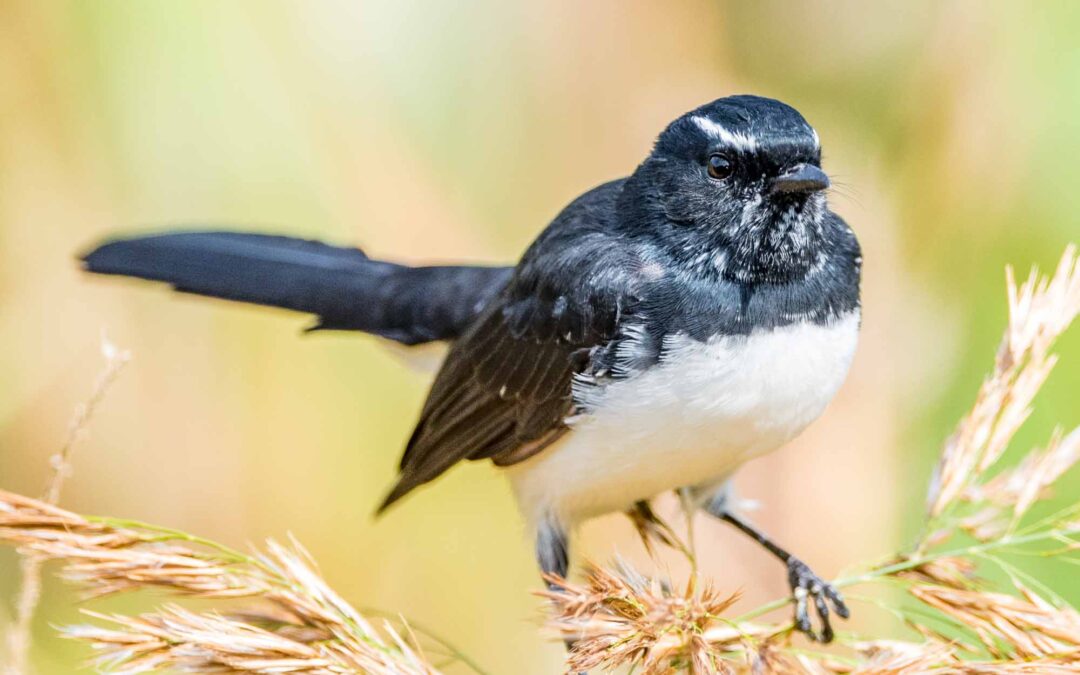
Willie Wagtail Chicks in nest Scientific Name: Rhipidura leucophrys Size: 18.5 to 21.5 cm. What does it look and sound like? The Willie Wagtail is the largest, and perhaps most well-known, of the Australian fantails. The plumage is generally black above with a white...

by Peter Rowland | Monday, October 19, 2020
Wompoo Fruit-Dove Scientific Name: Ptilinopus magnificus Size: Total Length 35 to 45 cm (in north of range); up to 50 cm (in south). What does it look and sound like? The Wompoo Fruit-dove is identified by its large size, rich purple throat, chest and upper belly, and...
by Peter Rowland | Tuesday, November 10, 2020
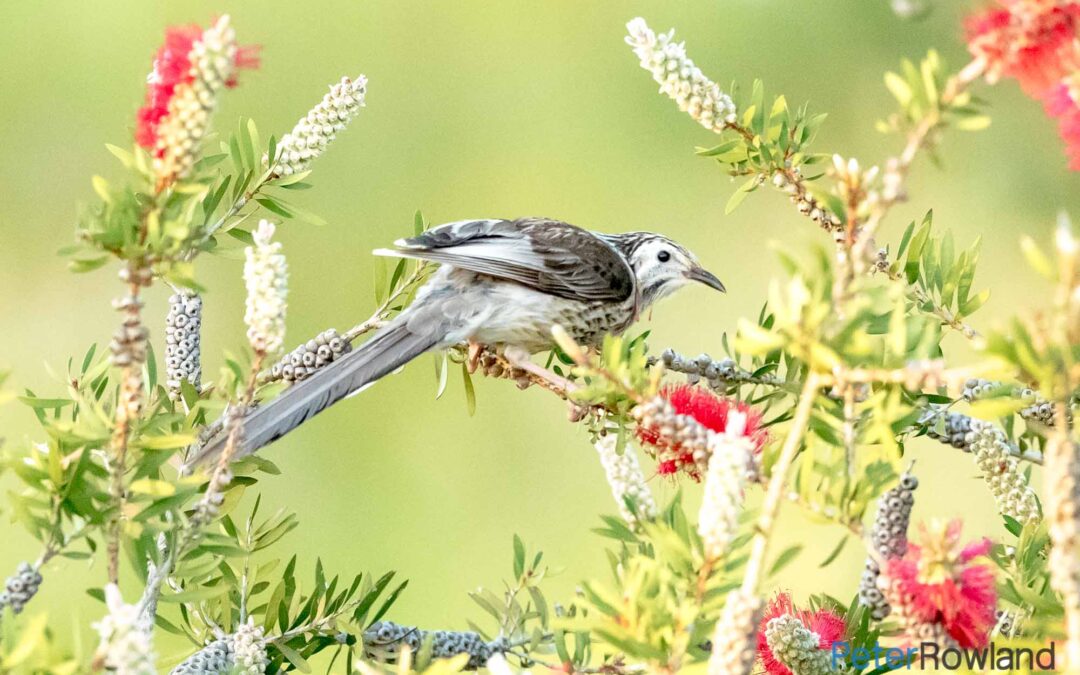
Yellow Wattlebird Scientific Name: Anthochaera paradoxa Size: 38 to 45 cm What does it look and sound like? Australia’s largest honeyeater. The Yellow Wattlebird is characterised by the long orange-yellow wattle that descends from each cheek and very long, graduated...

by Peter Rowland | Monday, November 9, 2020
Yellow-tailed Black-Cockatoo Scientific Name: Calyptorhynchus (Zanda) funereus Size: 55 to 65 cm What does it look and sound like? This cockatoo is easily identified by its predominantly black plumage, the feathers of the body edged with yellow, and its yellow cheek...
by Peter Rowland | Tuesday, November 10, 2020
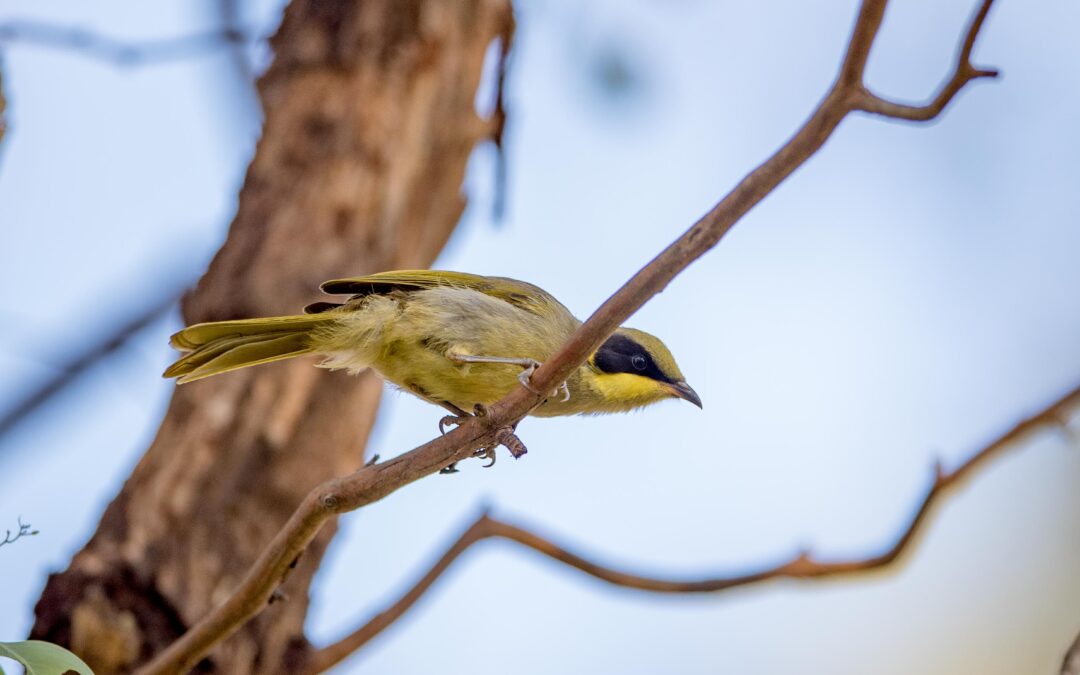
Yellow-tufted Honeyeater Scientific Name: Lichenostomus melanops Size: Total Length 17-23cm What does it look like? The Yellow-tufted Honeyeater is identified by its yellow and black plumage, with yellow crown and throat and distinct yellow ear-tufts. The Helmeted...