by Peter Rowland | Tuesday, April 27, 2021
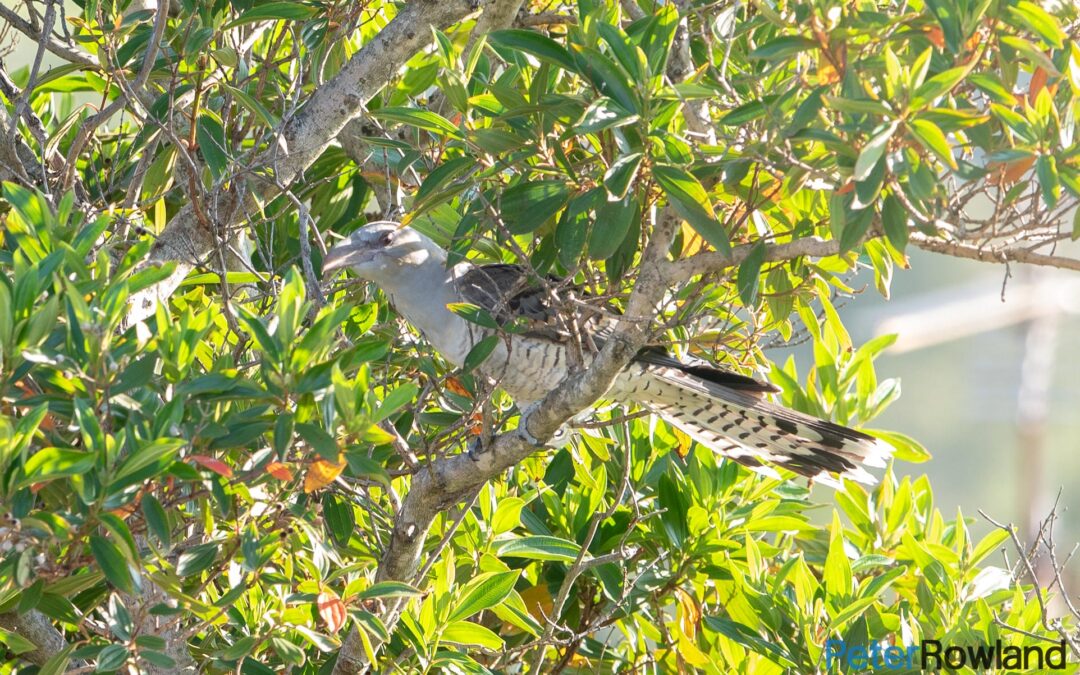
Channel-billed Cuckoo Scientific Name: Scythrops novaehollandiae Size: 58 to 65 What does it look and sound like? The Channel-billed Cuckoo is the largest parasitic cuckoo in the world. Apart from its large size, its massive pale, down-curved bill, grey plumage...

by Peter Rowland | Friday, October 16, 2020
Cattle Egret Non-breeding plumage Breeding pair on a nest Scientific Name: Bubulcus coromandus Size: 45 to 55 cm What does it look like? Smallest of the Australian egrets, the Cattle Egret should not be confused with the larger Intermediate Egret, which occasionally...

by Peter Rowland | Friday, October 16, 2020
Carnaby’s Black-Cockatoo Scientific Name: Zanda latirostris Size: 54-56 cm What does it look like? Also known as the Short-billed Black-Cockatoo, the Carnaby’s Black-Cockatoo is easily confused with the Baudin’s (or Long-billed) Black-Cockatoo Zanda baudinii,...
by Peter Rowland | Saturday, October 17, 2020
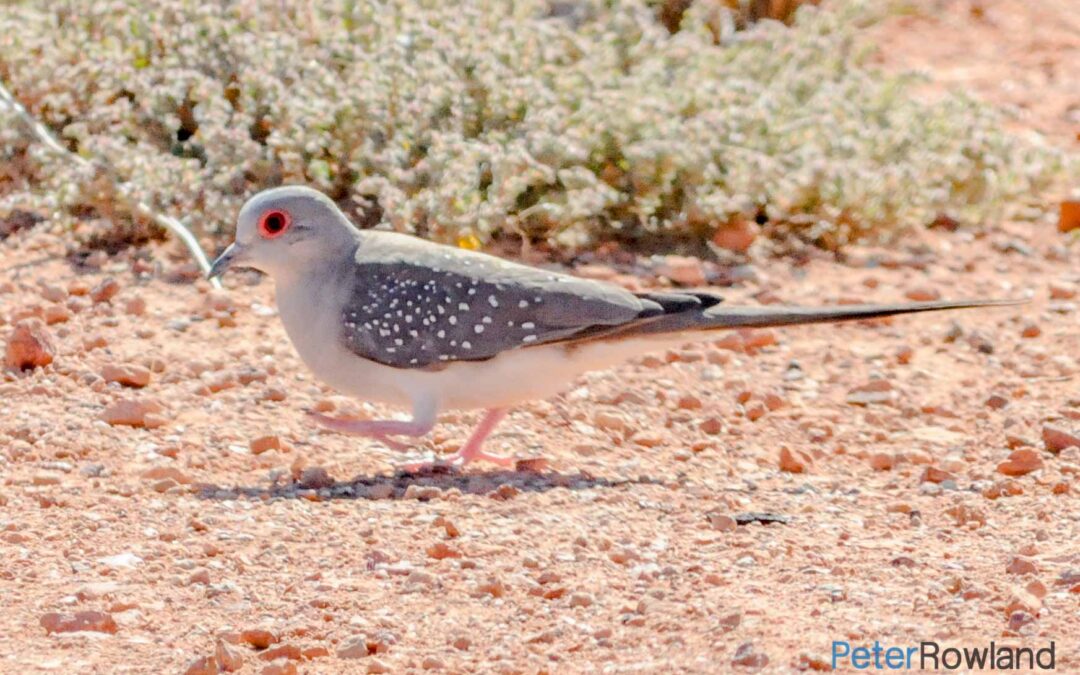
Diamond Dove Scientific Name: Geopelia cuneata Size: 19 to 21 cm What does it look like? The slender Diamond Dove is Australia’s smallest and is named after the numerous small white spots on its wings. The remainder of its plumage is bluish-grey on the head, neck and...
by Peter Rowland | Tuesday, October 20, 2020
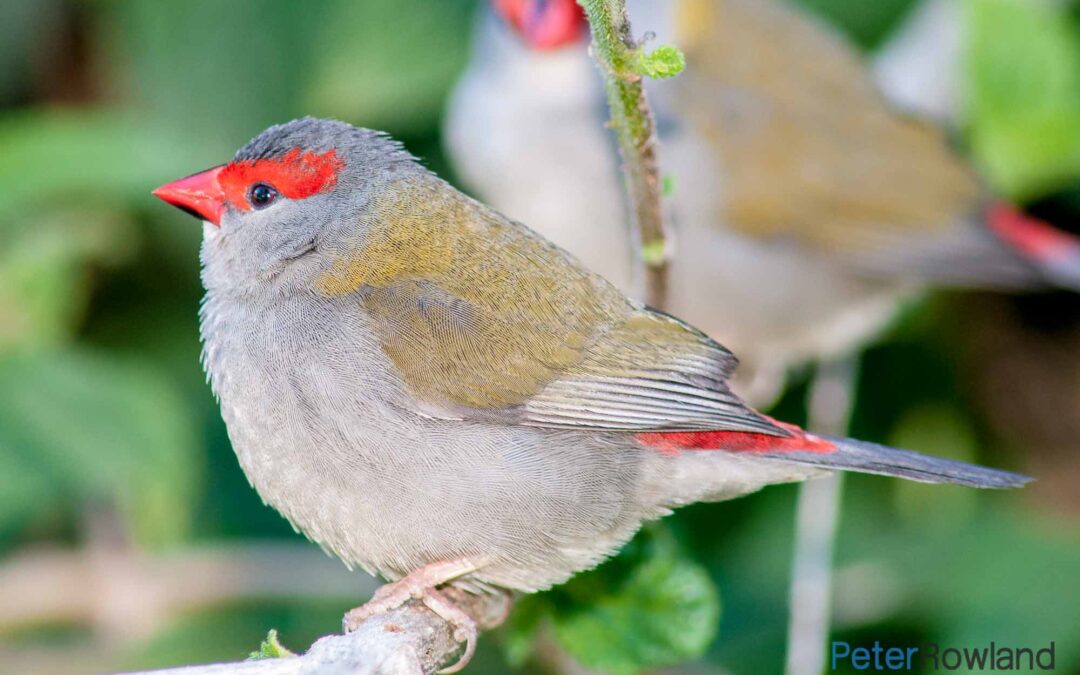
Red-browed Finch Scientific Name: Neochmia temporalis Size: 10 to 12 cm What does it look and sound like? The Red-browed Finch can be distinguished by its bright red rump and red eyebrow. The remainder of the body is olive-green above and grey below. The high‑pitched...