by Peter Rowland | Sunday, October 18, 2020
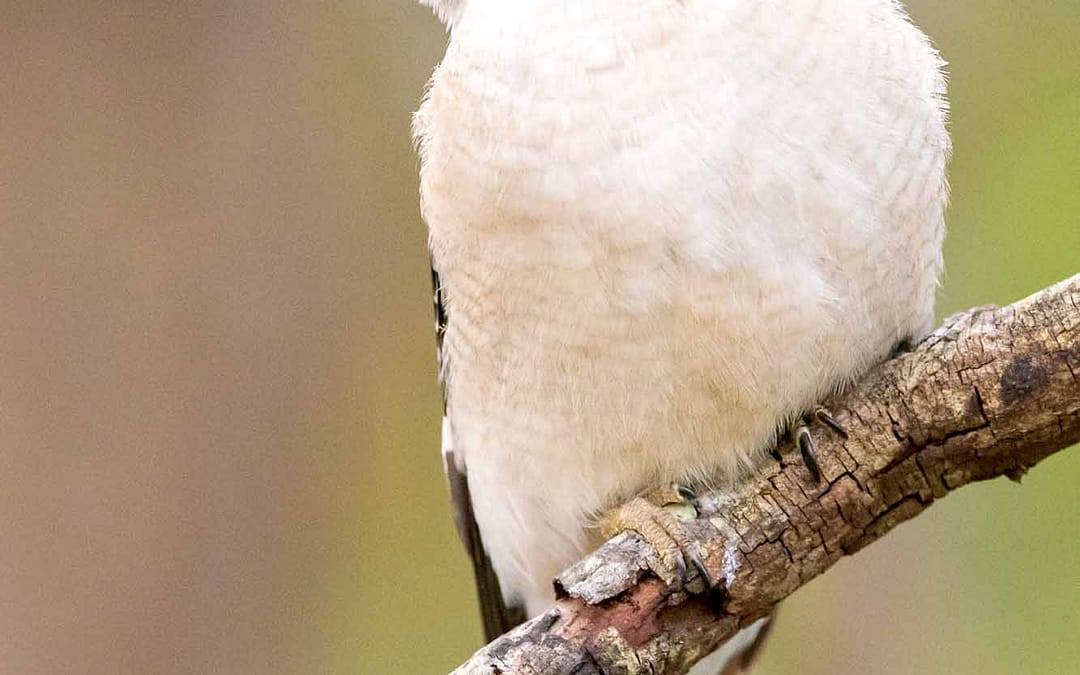
Laughing Kookaburra Scientific Name: Dacelo novaeguineae Size: 40 to 45 cm. What does it look and sound like? The Laughing Kookaburra is instantly recognisable in both plumage and voice. It is generally white below, faintly barred with dark brown, and brown on the...

by Peter Rowland | Sunday, October 18, 2020
Jacky Winter Scientific Name: Microeca fascinans Size: 12 to 14 cm What does it look and sound like? Although somewhat drab, this flycatcher is an attractive bird, with plain brownish upperparts, pale underparts, a slight eyebrow and prominent white edges to the black...
by Peter Rowland | Sunday, October 18, 2020
Hooded Plover Scientific Name: Thinornis cucullatus Size: 19 to 23 cm What does it look like? The adult Hooded Plover is unmistakable, with its black head, orange eyering and two-toned orange and black bill. The upperparts are brown and the underparts are white, with...
by Peter Rowland | Sunday, October 18, 2020
Great Egret Scientific Name: Ardea alba Size: 41 to 49 cm What does it look like? The Great Egret is the largest of the Australian egrets. The overall plumage is white, and, for most of the year, the bill and facial skin are yellow. The feet are dark olive-grey, as...
by Peter Rowland | Thursday, November 12, 2020
Grey Shrike-thrush Adult (NSW) Nestlings in flowerpot in a garden shed Scientific Name: Colluricincla harmonica Size: 22.5 to 25 cm What does it look and sound like? The Grey Shrike-thrush is a common and familiar bird. Its alternate names of Harmonious...