by Peter Rowland | Monday, October 19, 2020
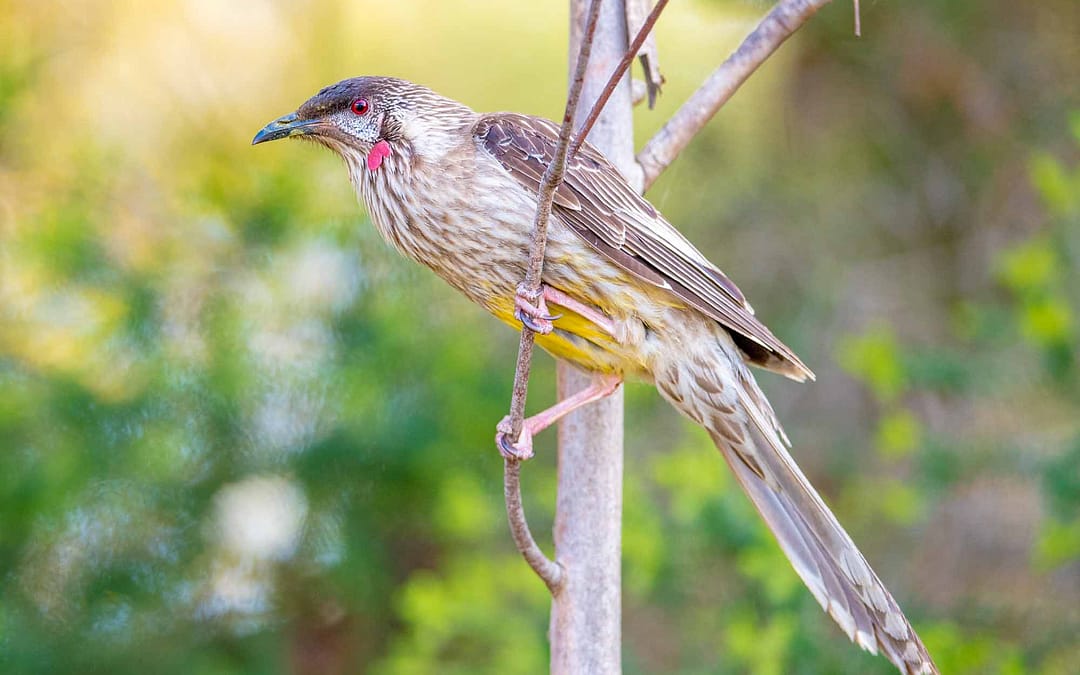
Red Wattlebird Scientific Name: Anthochaera carunculata Size: 33 to 37 cm What does it look and sound like? The Red Wattlebird gets its name from a fleshy reddish wattles on the sides of the neck. These are found only in this species, although they can often difficult...

by Peter Rowland | Tuesday, November 3, 2020
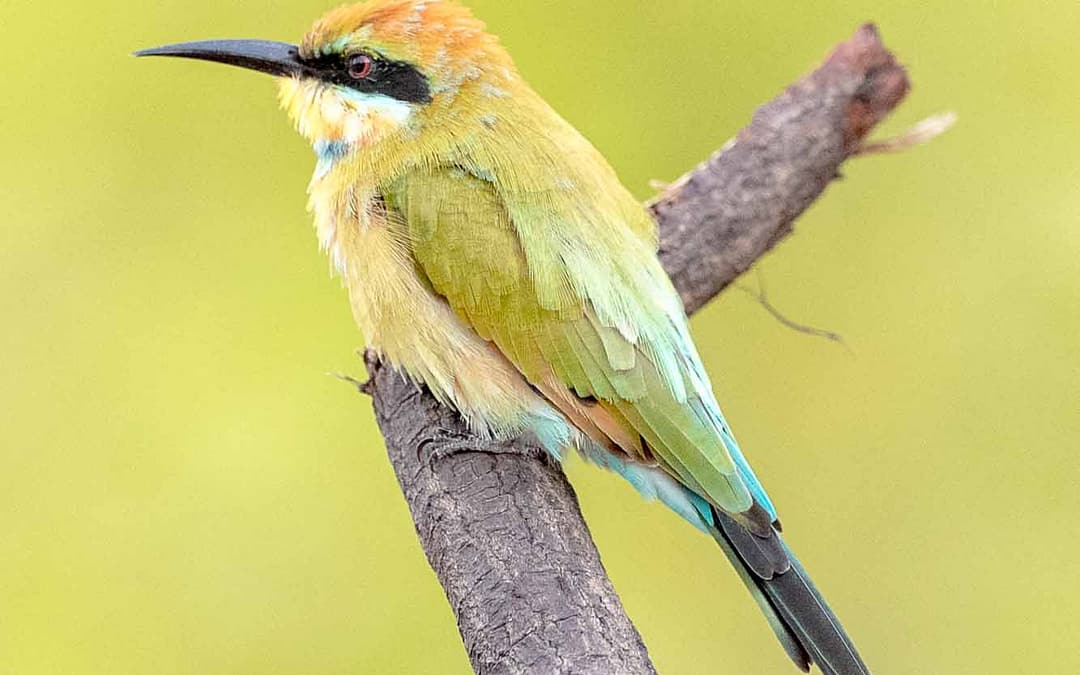
Rainbow Bee-eater Scientific Name: Merops ornatus Size: 21 to 28 What does it look and sound like? This brilliantly coloured bird is unmistakable in both plumage and voice. Both Rainbow Bee-eater sexes have beautiful blue-green body plumage, a rufous crown, a yellow...
by Peter Rowland | Saturday, November 14, 2020
Silvereye Scientific Name: Zosterops lateralis Size: 11 to 13 cm What does it look like? The Silvereye is one of several similar small birds that make up the group known as white-eyes, so-called due to the conspicuous ring of white feathers around their eyes. The...
by Peter Rowland | Saturday, November 14, 2020
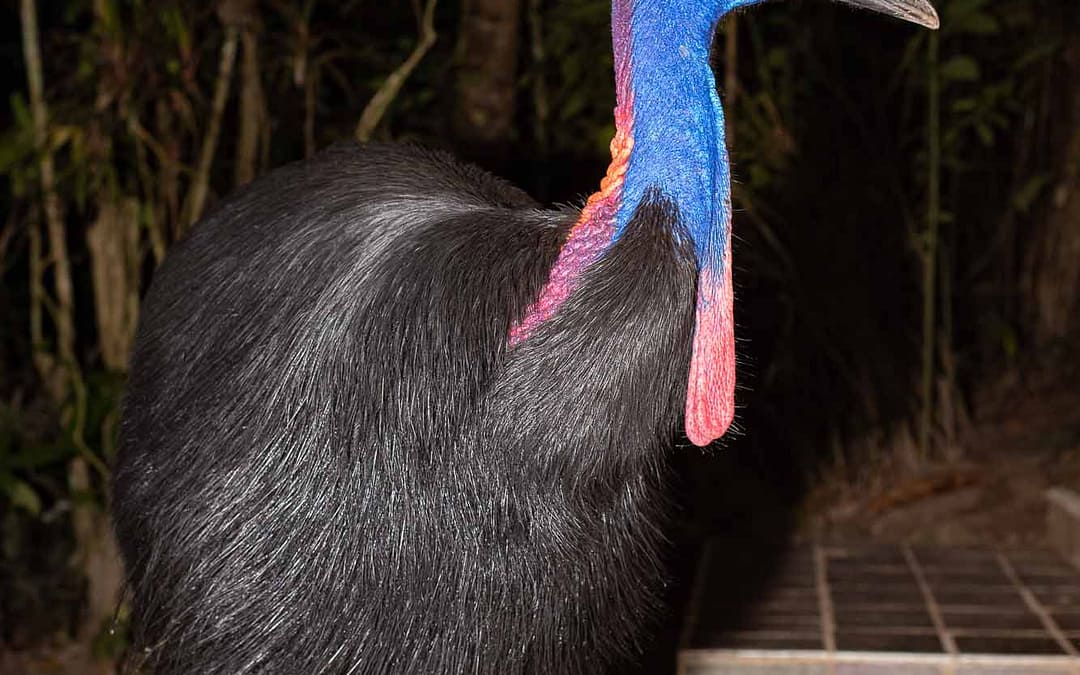
Southern Cassowary Scientific Name: Casuarius casuarius Size: 1.5 to 2 metres (tall) What does it look and sound like? The prominent greyish casque and red wattle hanging from the neck, make the Southern Cassowary easily identifiable. The feathers of the body are...
by Peter Rowland | Monday, October 19, 2020
Pied Currawong Scientific Name: Strepera graculina Size: 44 to 51 cm What does it look like? This large black and white bird is often confused with the Australian Magpie, although it is quite different in plumage. The Pied Currawong is almost entirely black, with...