by Peter Rowland | Wednesday, October 21, 2020
Short-beaked Echidna Eastern Mainland Tasmanian subspecies Scientific Name: Tachyglossus aculeatus Size: 300-450 mm What does it look like? The Short-beaked Echidna has pale brown to blackish fur above and below, which varies in length depending on range, and numerous...

by Peter Rowland | Tuesday, October 27, 2020
Skinks (Family: Scincidae) Scincids (skinks) belong to the lizard family Scincidae, and with more than 1,500 described species, it is one of the most diverse families of lizards.The family Scincidae is the largest of the sixteen or so families of lizards. Skinks tend...
by Peter Rowland | Tuesday, October 20, 2020
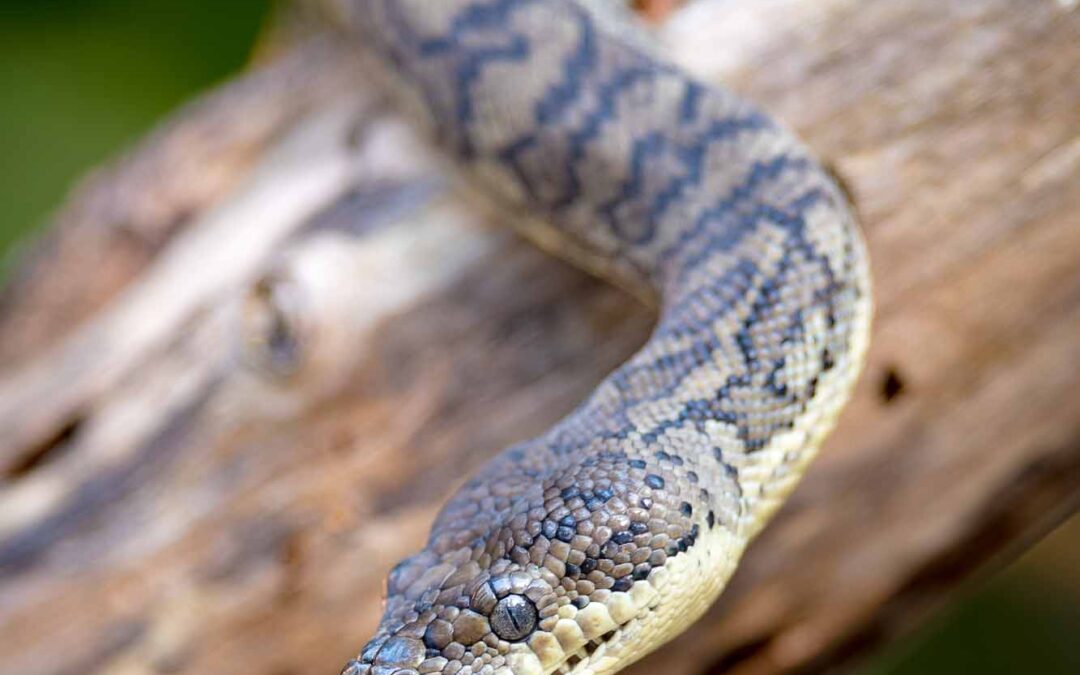
Snakes (Suborder: serpentes) Snakes, of the suborder Serpentes, form the second largest group of reptiles after the lizards, containing just over a third of the world’s currently known species. While Australia has less than 10 per cent of these species, it is home to...
by Peter Rowland | Monday, October 19, 2020
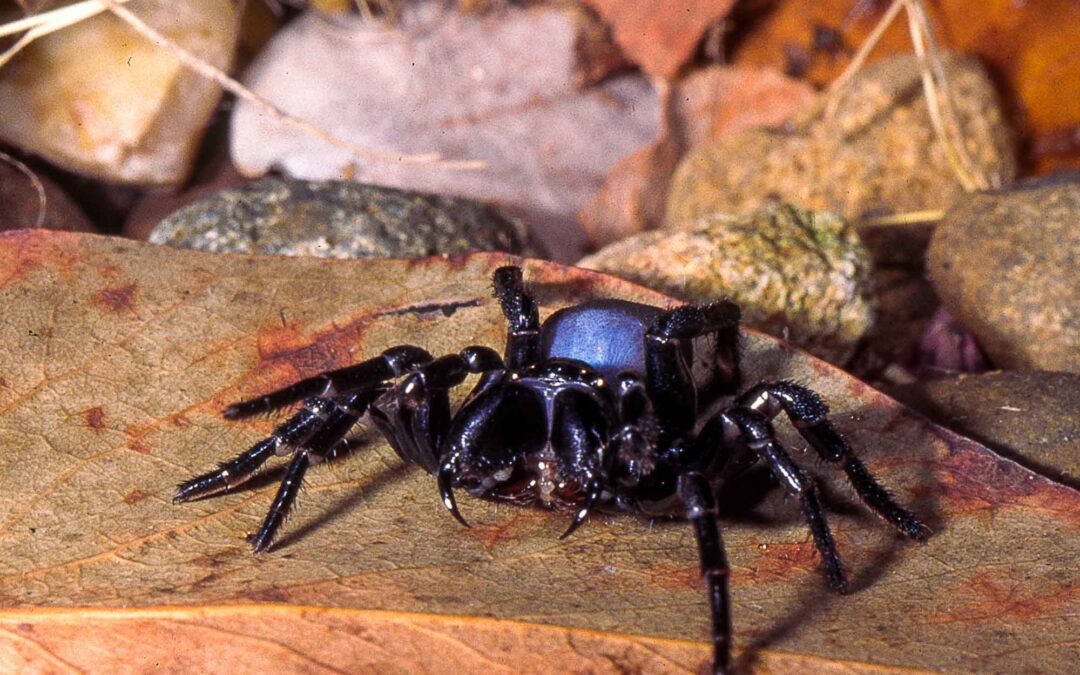
Spiders, Scorpions and Allies (Class: Arachnida) Australia has a reputation for having more than its fair share of dangerous spiders, with the funnel-webs and redback spiders topping the list. Spiders tend to instill more fear in humans than many other groups of...

by Peter Rowland | Monday, October 19, 2020
Starlings (Family Sturnidae) Seven species are present in Australia. The native Metallic Starling Aplonis metallica and the Singing Starling Aplonis cantoroides both have wider distributions, the Common Starling Sturnus vulgaris and Common Myna Acridotheres tristis...