by Peter Rowland | Thursday, October 29, 2020
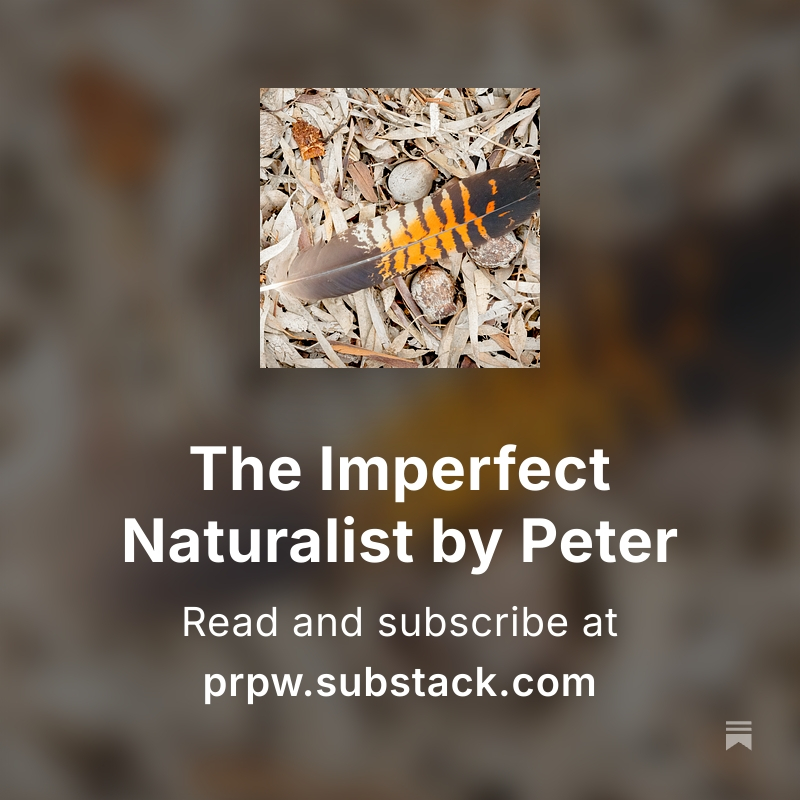
Plants (Kingdom: Plantae) Plants are mainly multicellular organisms. Historically, plants were treated as one of two kingdoms, the other being the animals (Animilia), and included all non-animal life, including the algae and fungi. Today, Plantae excludes the fungi...
by Peter Rowland | Monday, October 19, 2020
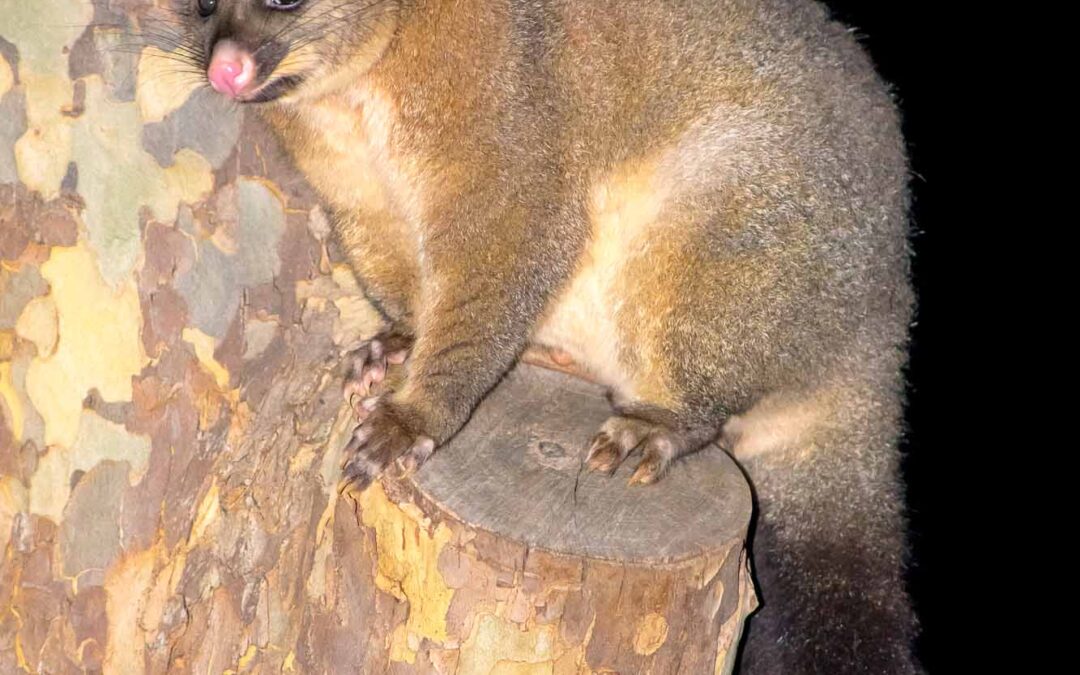
Possums, Gliders and Cuscuses (Family: Phalangeridae) Possums, Gliders and Cuscuses are a large assemblage of around 30 arboreal, mostly nocturnal marsupials, and include the pygmy-possums, striped possums, Leadbeater’s Possum, lesser and greater gliders, ring-tailed...
by Peter Rowland | Thursday, October 15, 2020
Pheasants & Quail (Family Phasianidae) These cryptic, ground-dwelling birds of grasslands, have short, rounded wings. Eight species occur in Australia, including one endemic (Stubble Quail Coturnix pectoralis) and two breeding resident species (Brown Quail...
by Peter Rowland | Tuesday, October 27, 2020
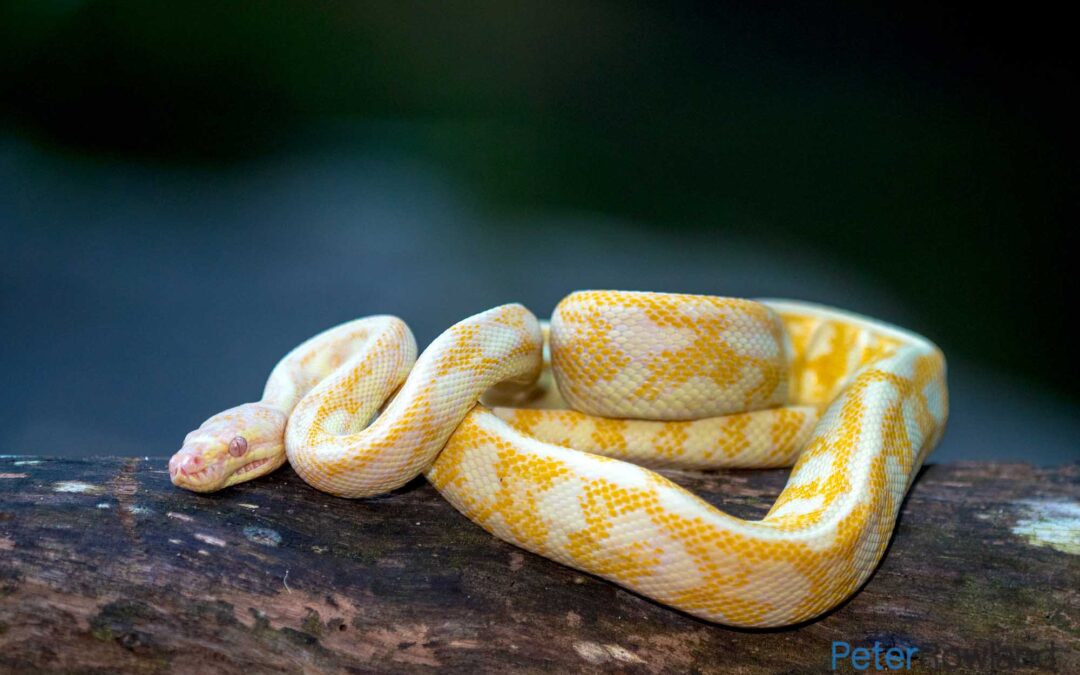
Pythons (Family: Pythonidae) Pythons do not use venom to kill their prey, instead their prey is first subdued with the sharp, rear-facing teeth, and then the snake’s body is wrapped around it, gradually getting more tightly coiled each time the helpless victim...

by Peter Rowland | Monday, October 19, 2020
Rats and Mice (Family: Muridae) Rodents are eutherian mammals, not marsupials. As such, the young develop within the body for a longer period, connected to a placenta that feeds the developing foetus, removes waste and aids respiration, and give birth to...