by Peter Rowland | Monday, October 19, 2020
Crakes and Rails (Family Rallidae) Stocky semi-aquatic birds of wetlands and adjacent grassland, typically with elongated toes. The endemic White Gallinule Porphyrio albus was aggressively hunted by sailors and whalers in the late 1700s and early 1800s and likely...
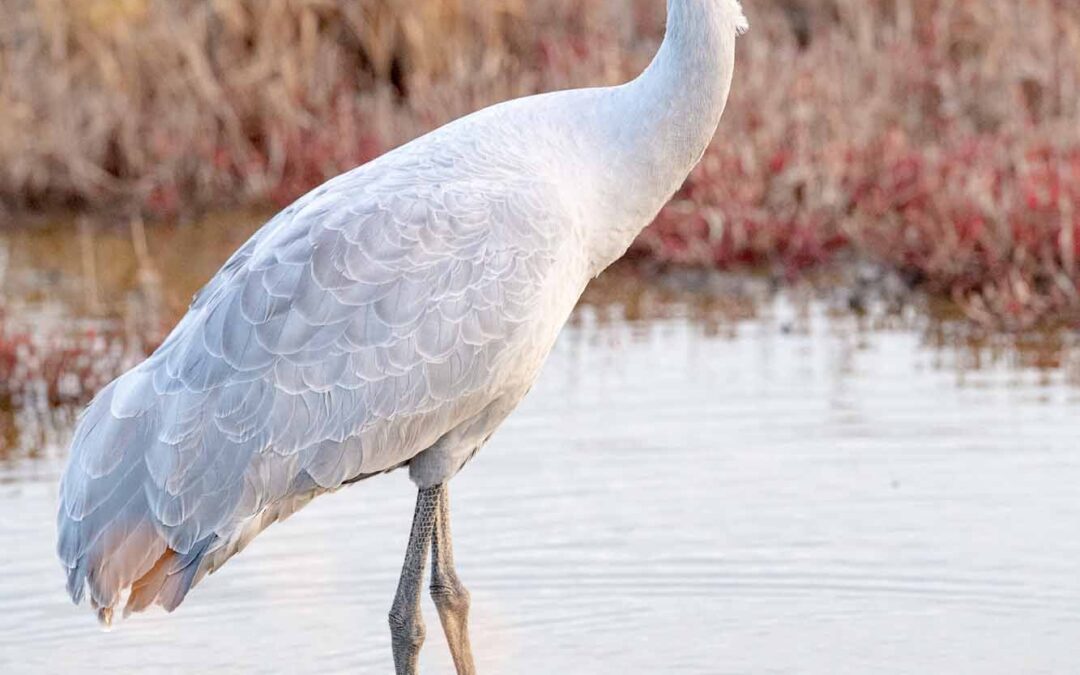
by Peter Rowland | Monday, October 19, 2020
Cranes (Family Gruidae) The most common and widespread crane in Australia is the Brolga Grus rubicunda, a breeding resident that also occurs in Indonesia and PNG. The Sarus Crane G. antigone is more restricted. Both are tall grey birds, with long legs and red heads....

by Peter Rowland | Monday, October 19, 2020
Cuckoos (Family Cuculidae) These are renowned for laying their eggs in the nests of other birds, leaving the unsuspecting hosts to incubate the eggs and raise the young cuckoo. Of the Australian species, only the coucals build nests and raise their own young, a...
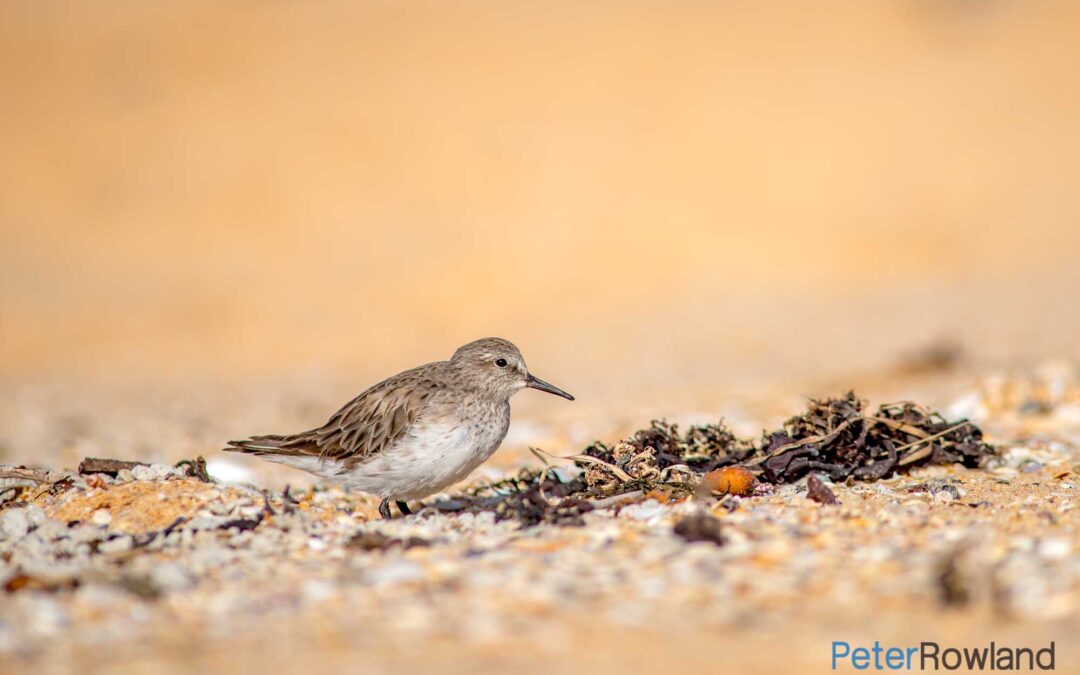
by Peter Rowland | Monday, October 19, 2020
Curlews and Sandpipers (Family Scolopacidae) A large family of variably-sized waders, with 45 species recorded in Australia. None are resident, with 27 appearing as migrants and the remaining 18 as vagrants. The curlews are characterised by their long...

by Peter Rowland | Monday, October 19, 2020
Cormorants (Family Phalacrocoracidae) Of the six species that have been recorded breeding within Australia, only the Black-faced Cormorant Phalacrocorax fuscescens is endemic. Four other species breed on the mainland, and one each on Heard Island and Macquarie Island....