by Peter Rowland | Monday, October 19, 2020
Koalas (Family: Phascolarctidae) The Koala is famed throughout the world and is often, mistakenly, called a bear. The Koala lives solely on a low energy diet of eucalypt leaves and spends up to 20 hours per day sleeping. Perhaps more sloth-like in habits than...

by Peter Rowland | Monday, October 19, 2020
Leeches (Class: Clitellata) These segmented invertebrates, usually have a poorly-defined head and lack parapodia (‘legs’). The mouth is on the undersurface and the brain is located in one of the body segments. The jawless leeches are known to harbour malarial...
by Peter Rowland | Tuesday, October 27, 2020
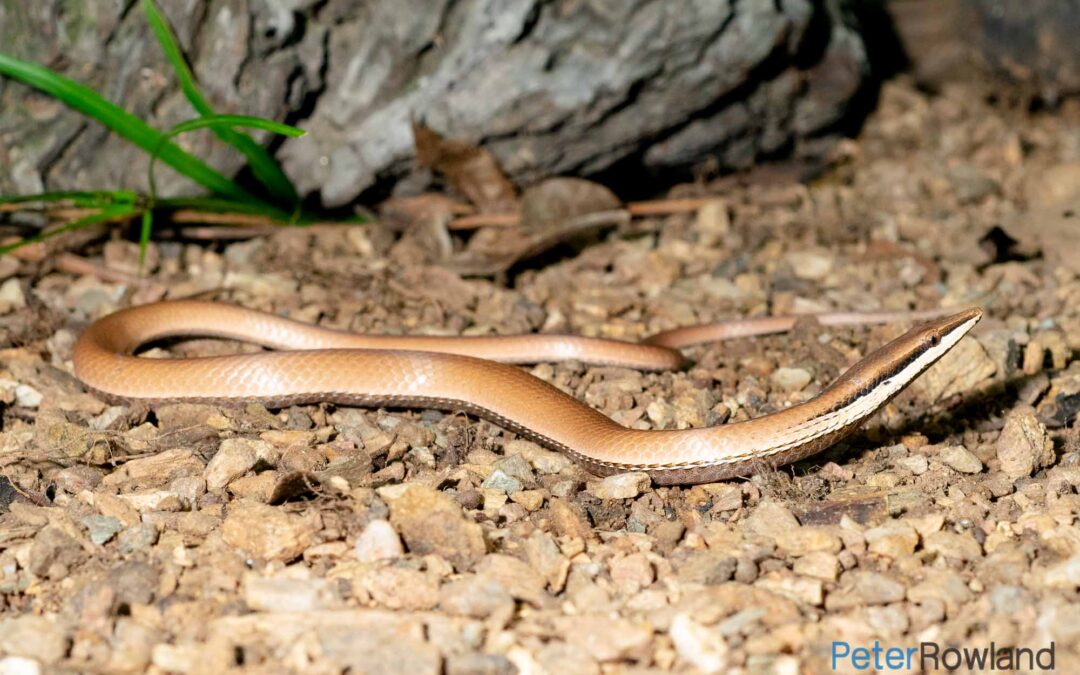
Legless Lizards (Family: Pygopodidae) The family Pygopodidae includes the legless lizards, snake-lizards and flap-footed lizards. All have limbs that are reduced or absent, and are a type of gecko. Pygopodids have no fore limbs at all, but do possess vestigial hind...

by Peter Rowland | Monday, October 19, 2020
Lizards (Suborder: Sauria) Lizards belong to the suborder Sauria, which – along with the snakes in the suborder Serpentes – forms the order Squamata that comprises more than 95 per cent of the world’s reptile species. Australia’s largest lizard family is the skinks...
by Peter Rowland | Monday, October 19, 2020
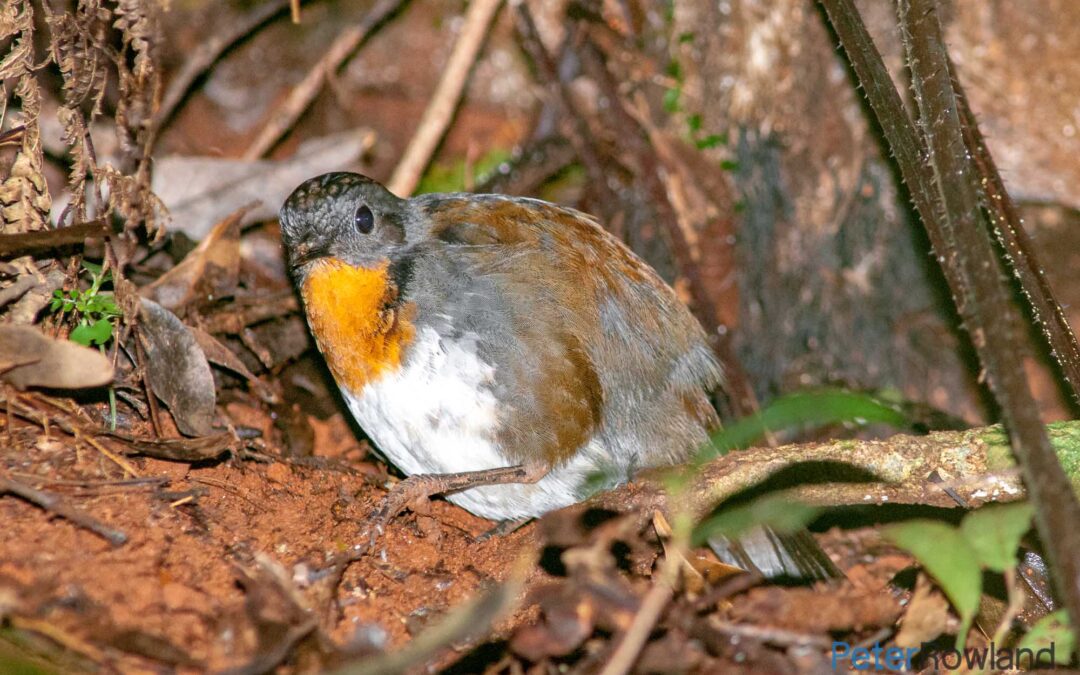
Logrunners (Family Orthonychidae) Ground-dwelling, thrush-like birds with strong legs and feet for digging in leaf litter. The feathers of the relatively short tail end with sharp tips. Both Australian species are endemic, the Australian Logrunner Orthonyx temminckii...