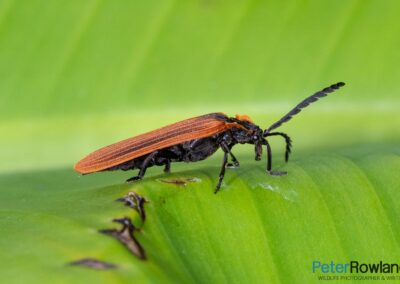
Transverse Ladybird

Scientific Name: Coccinella transversalis
Size: Total Length 4-6 mm
What does it look like?
The Transverse Ladybird adult is red or orange and black. Elytra dome shaped with black elongated patches evenly distributed. Larvae greyish-brown with darker markings, pale or dark soft spikes on edges of each body segment, and six legs. Body tapering at both end (fusiform).
Where is it found?
The Transverse Ladybird is Australia’s most common ladybird beetle; found throughout Australia.
What are its habitats & habits?
Occurs in forests, woodlands, heaths, parks and gardens. Both adults and young feed on invertebrates, including significant pests of agricultural and garden plants, such as aphids, mites and scale insects. Can also feed on pollen. Both adults and larvae are active during the day and can feed on the same plants, and can be in the company of other ladybird species.


This species features in my book A Naturalist’s Guide to the Insects of Australia